April 01, 2026
Bookmark feature is for subscribers only. Subscribe Now to save your favorites.

How Businesses in the Philippines Cope with Increasing Fuel Prices

FacebookXEmailCopy Link
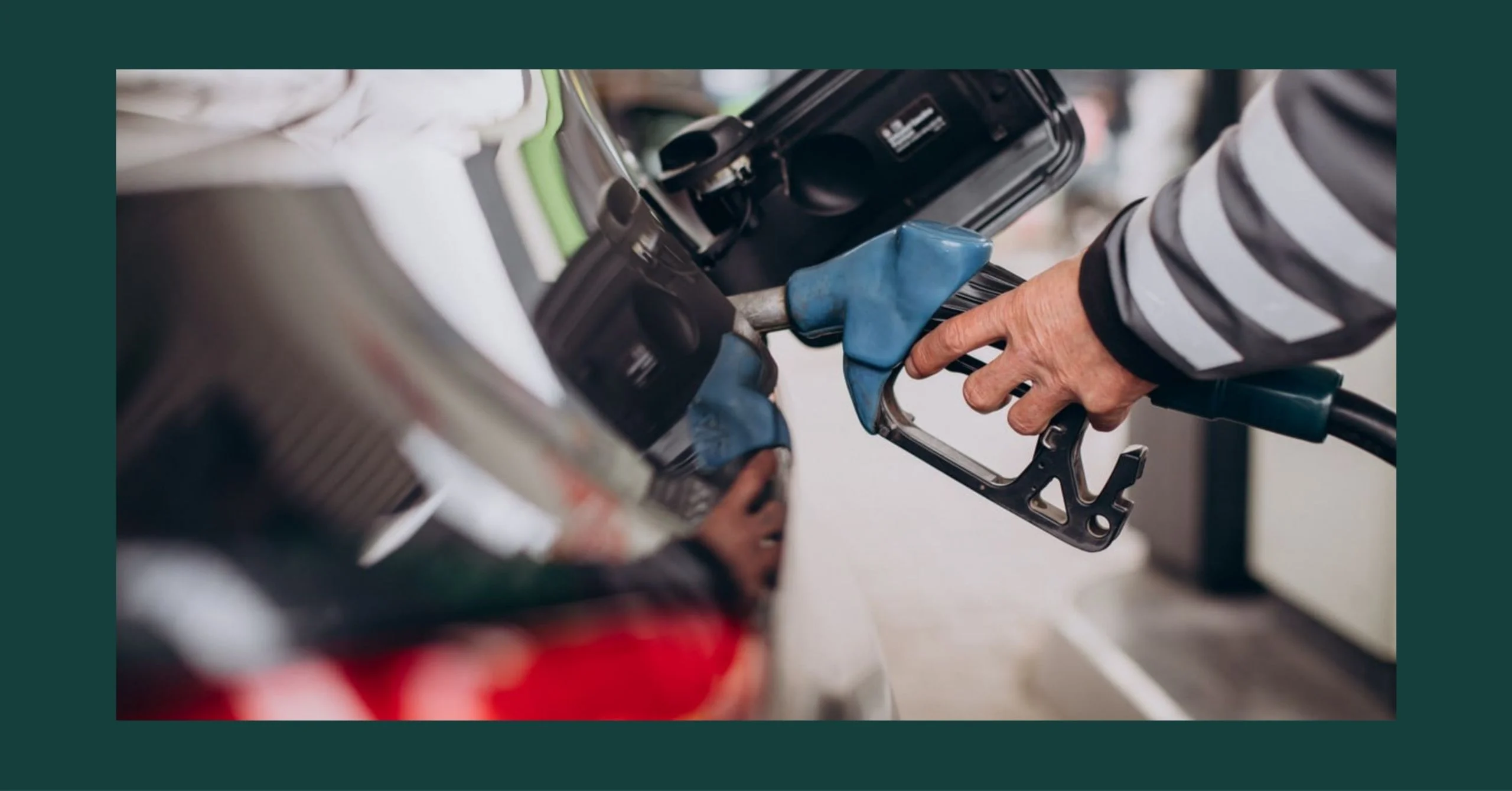
The increase in fuel prices is compelling Philippine businesses to stock raw materials, reduce operational hours, and explore alternative fuel options.

The increase in fuel prices is compelling Philippine businesses to stock raw materials, reduce operational hours, and explore alternative fuel options. Spend only what you need, an industry expert says.

The Philippine peso exchange rate is P60.678 as of April 1, a smidge lower than March 31’s P60.740. A main catalyst for this depreciation is the US-Iran conflict, which resulted in the closure of the strait where 20% of global oil passes, thereby ballooning the Philippines' import costs.

Oil companies on March 30 announced price increases for diesel (P12.50 to P12.90 per liter) and gasoline (P1 to P2.50 a liter).

How are Philippine businesses coping with the situation, given the uncertainty?

Adjusting Operating Hours

There's no stopping summer, said Benedicto C. Torres, Jr., president of Global Gutz Parks Philippines, Inc.

Global Gutz is the company that operates the waterpark Splash Island.

"We just need to reduce the time of operation in our slides across the three zones," he said on March 30. “Early closing lang.” 

The previous 8:00 a.m. to 5 p.m. schedule is now reduced to 9:00 a.m. to 4 p.m., with Mondays and Tuesdays closed for scheduled maintenance. 

Improving Operational Efficiency

Energy and transportation are key components of Auro Chocolate’s supply chain, Kelly Go, its co-founder and co-managing director, said.

The social enterprise has been exploring alternative fuel options and more efficient logistics strategies since the situation broke out, she said in a March 31 Viber message. 

“We are working to improve operational efficiency to continue maintaining competitive pricing while ensuring operational stability,” she said. “We are also planning shipments further in advance and adjusting delivery lead times where possible.”

The company has been able to continue operations without interruptions and has not needed to adjust its pricing, she added. 

Bracing for Impact

While big companies already have a playbook for such scenarios, the case is different for the smaller players, according to Perry Ferrer, president of the Philippine Chamber of Commerce and Industry.

“The medium-sized companies…are stocking up on raw materials, not because these will run out, but because they’re afraid the prices might increase,” he said in a Google Meet interview on March 19. “It’s the price pressure of potential increase in bringing in your materials.”

The microbusinesses, meanwhile, are “waiting for the bomb to hit.” 

“There’s nothing much they can do, because the micro- and small businesses live day by day or week by week.” 

Ferrer recommends that businesses preserve their cash and spend only for what they need.

“One of the biggest challenges is the increase of the cost just to live and operate,” he said. An increase in input impacts selling prices, but “customers have alternatives. If you have a sari-sari store [neighborhood convenience store], they just go to the next one if your price increases.” 

Removing Certain Taxes

This content is available to our subscribers. Join our community to access premium content and elevate your business knowledge.

Already a subscriber? Login
OR
ANNUAL
1,000
per year
SEMI-ANNUAL
500
per six months
QUARTERLY
250
per three months
MONTHLY
100
per month

Frequently Asked Questions

Leisure businesses like Splash Island are reducing operational hours and slides to lower energy consumption during peak summer months. By closing earlier and implementing scheduled maintenance days, these companies can manage utility overhead without significantly impacting the customer experience. This strategy allows them to stay operational while preserving margins during periods of extreme price volatility.

Firms like Auro Chocolate are improving operational efficiency by planning shipments further in advance and optimizing delivery lead times. Exploring alternative fuel options and more efficient logistics allows these social enterprises to keep pricing competitive despite rising import costs. This proactive planning helps ensure operational stability and prevents the need for sudden price hikes that might alienate customers.

Medium-sized businesses are front-loading raw material purchases to hedge against future price increases rather than a fear of actual shortages. By locking in current prices, they protect themselves from the "price pressure" of bringing in materials later at potentially higher rates. However, experts advise balancing this with cash preservation, spending only on essential inputs to maintain liquidity.

Under Republic Act No. 12316, the President has the power to temporarily suspend or reduce excise taxes on petroleum products when crude oil prices exceed specific triggers. While groups like SUKI Network advocate for removing the 12% VAT to lower costs immediately, the government remains cautious due to potential revenue losses. These structural levers are designed to provide a "cushion" for both businesses and households during global supply shocks.

Entrepreneurs are advised to rationalize all spending by putting non-essential capital expenditures on hold, even if the budget was previously approved. Deferring major investments for six months allows a business to observe market trends and preserve cash for daily operations. This "spend only what you need" approach ensures that the company remains resilient until the global energy conflict eases and prices stabilize.

Patricia Mirasol

Patricia Mirasol

Managing Editor

Patricia Mirasol has spent the better part of a decade telling stories that matter, and building the teams and platforms to tell them well. A former multimedia journalist and producer at BusinessWorld — where she covered health, technology, and MSMEs and eventually co-led the online team — she's now managing editor at the refreshed The Business Manual.

Her work has been recognized by the Philippine Space Agency, the Philippine Press Institute, and the Department of Science and Technology, and spans articles, podcasts, videos, and immersive long-form features on topics close to everyday Filipino life: motorcycle taxis, water systems, and beyond.

Learn straight from the top CEOs and business leaders. Access exclusive articles and videos.

Subscribe Now