Sustainable Business: Balancing Impact on Environment and Society, According to NEO President Charlie Rufino and CEO Raymond Rufino


How putting sustainability at the heart of real estate developer NEO led to rapid business growth and the fulfillment of the BGC vision.
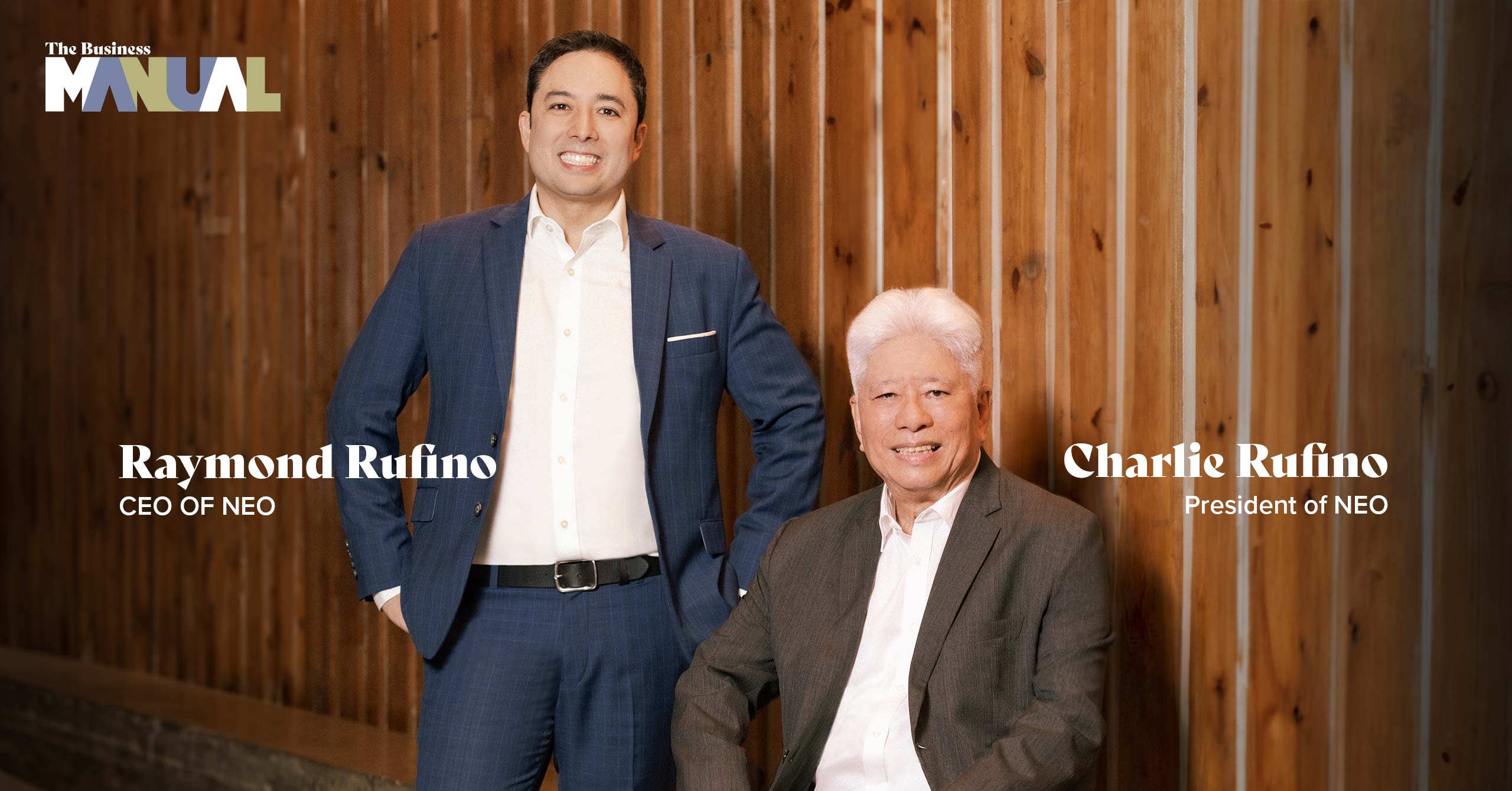
During The Business Manual’s conversation with legendary real estate developer Charlie Rufino and his son Raymond Rufino, neither of them mention the word stewardship. And yet, throughout the interview, it is always there, unsaid but constantly present. When Charlie talks about his beginnings in the condominium boom and the development of Bonifacio Global City, it is nothing less than stewardship of the family business. The same is true when he talks about passing the business on to his sons. And when Raymond talks about NEO’s green buildings and sustainability, it is always implicitly about stewardship of the earth.
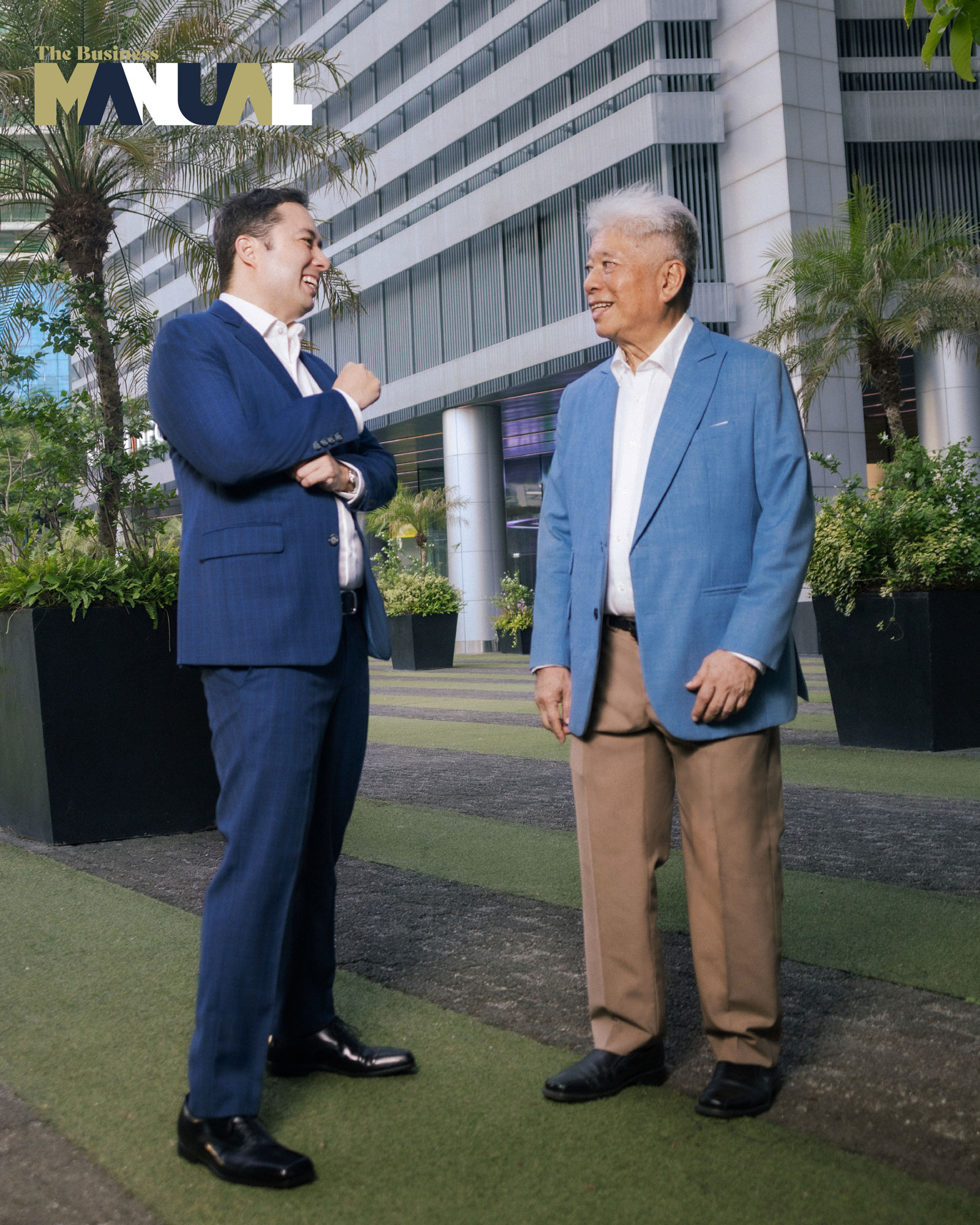
It is in one of these green buildings, Seven/NEO at Bonifacio Global City, where The Business Manual spoke to Charlie and Raymond Rufino, the father and son who are respectively the President and CEO of NEO. Sustainability is the order of the day as NEO has achieved much in pioneering green buildings, with the company recently achieving net zero certification in 2021, an important feat that signals the future of real estate development.
With their combined decades’ worth of experience in real estate, we gain insight on the Rufinos’ hand in the invention of BGC, the creation of a sustainable model for real estate development, and their entrepreneurial spirit–all with the thread of stewardship running through it without fanfare but with a profound impact on NEO’s stakeholders and tenants, the real estate industry, and the country.
The Rufinos: Business and Family
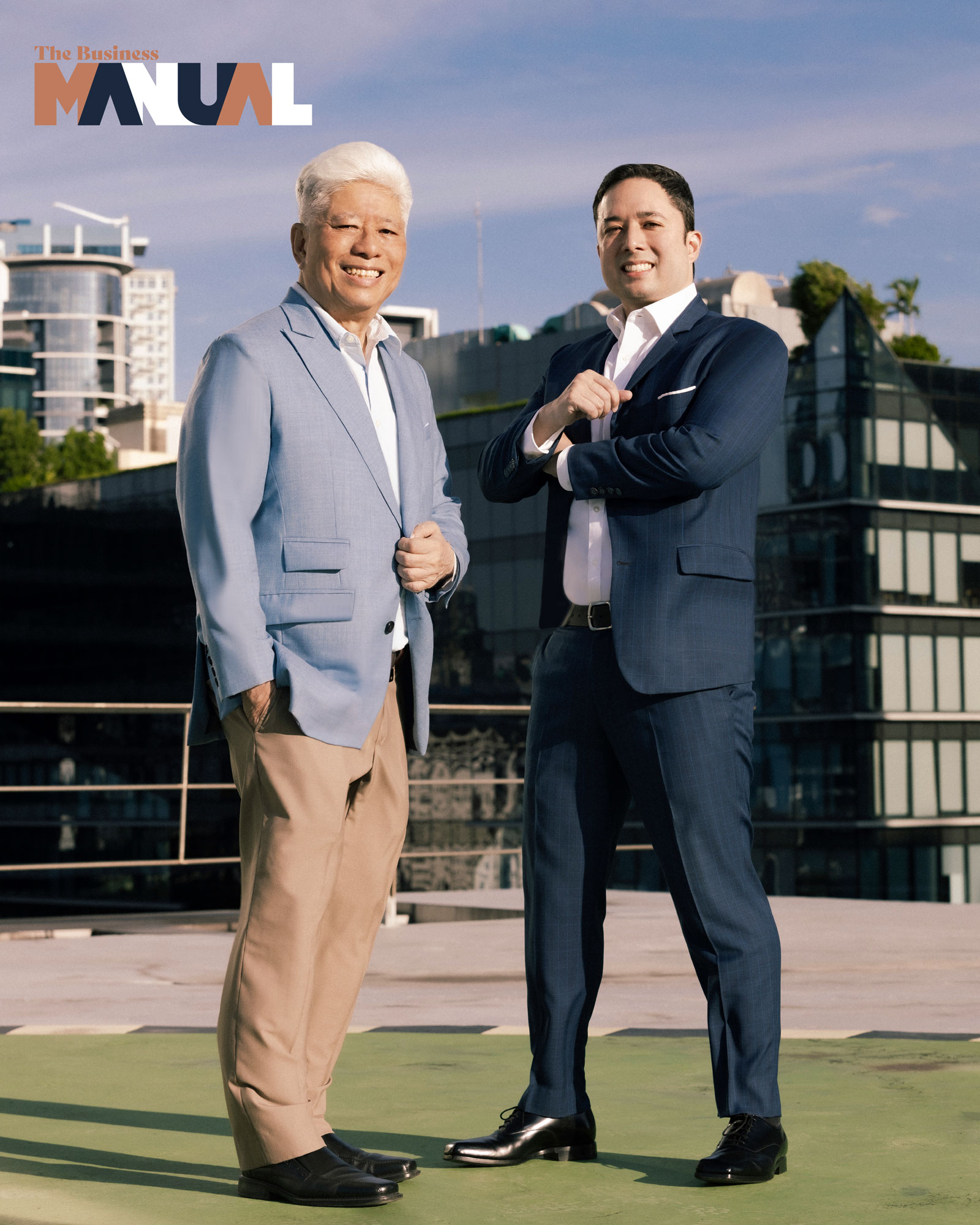
The Rufino family needs little introduction. A prominent family in the Philippine business landscape, the Rufinos have interests in real estate with the Rufino Group of Companies, and in media along the Rufino-Prieto arm of the family with the Inquirer Group of Companies.
Originally, the Rufino family owned a string of movie theaters and opera houses in old Manila. From there, it diversified into other industries such as banking and real estate. Today, the family’s property interests include the Rufino Pacific Tower, Corinthian Properties, and NEO, which develops landmark buildings in Bonifacio Global City.
It was in this family business environment that Charlie Rufino grew up in. “I suppose everyone in our family has a leaning towards business,” he says of his formative years. “So we get it at an early age because we sort of inherit that. We talk business during lunch and dinner.”
Raymond echoes his father’s sentiment, testifying that business and entrepreneurship are still part of Rufino family life a generation later. “And we're the same at home, by the way,” he says. “Even when we were growing up, my mom and dad would always be talking about business during our family dinners. So business life and family life, at least for us, has always been kind of meshed together.”
‘Make a Better Building’
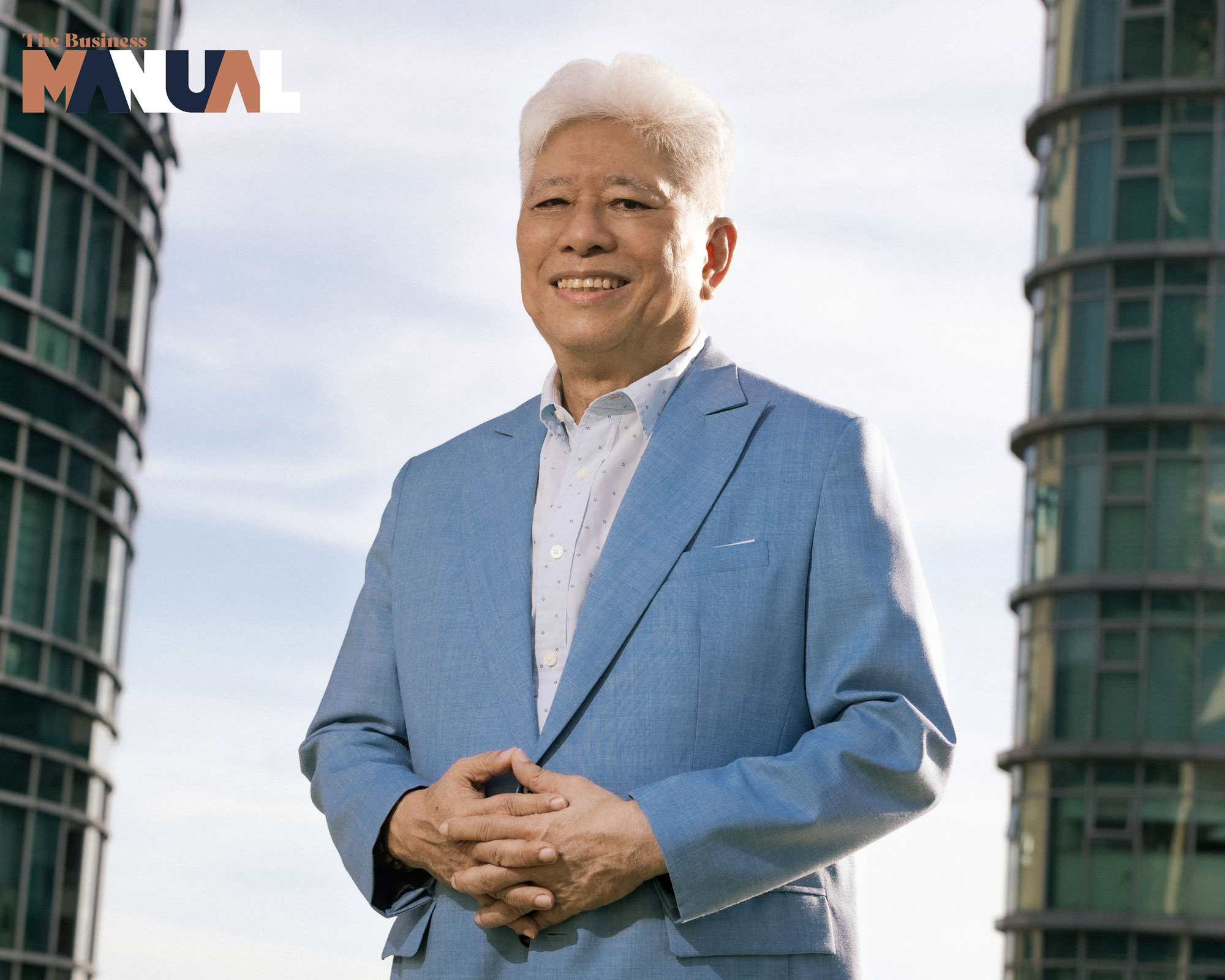
Like the Rufino family, Charlie Rufino needs little introduction. A legend in the real estate industry, he was instrumental in the development of Bonifacio Global City when he was with the Fort Bonifacio Development Corporation. During his time there, he was involved in creating the masterplan for BGC, and with keen foresight, invested in the burgeoning city by buying land there. He then played a hand in creating projects that would make the BGC vision come true.
Before all the grand developments, Charlie’s career in real estate began simply by helping out in the family.
“I was invited to finish a project that was uncompleted,” he says. He continues with a self-deprecating joke, saying with a smile, “And my only claim to fame was I was the only one that was available. Everybody was busy.”
This uncompleted building proved to be Charlie Rufino’s baptism of fire. The year was 1970, before the condominium boom of later decades. He named this condominium in Legazpi Village the Concord Building.
“That was where I learned everything,” he says. “You know, first building, the learning curve is tremendous.”
It was during these early years when Charlie learned a number of crucial lessons in real estate development.
“Condominiums really opened the entire industry,” he explains, “because, before, you built one building. And because it was so expensive to build one building and only for rent, you ended up with one building for your entire life. But with condominiums, you build, you sell, go to the next one with the money that you earned.”
There was no stopping Charlie from there. He recounts, “I finished about five buildings in about four years in Legazpi Village. So that's how fast the turnover was.”
Despite this rapid pace, Charlie notes that real estate can be forgiving. He says, “It appears that when you do a project in real estate, the advantage is really going with you because real estate tends to appreciate. So you have maybe made a mistake in the past, but time will cure [that] because values continue to go up.”
And yet, Charlie always aspired to do more, and to do better with every development. “So I learned [after] every building,” he says, “you learn to make a better building the following time.”
Expounding on the topic, he says, “If you want to preserve value for you… you have to reinvent yourself.” This drive to always make a “better building” and constantly reinventing yourself would lead Charlie to great heights in the industry.
Early Experience
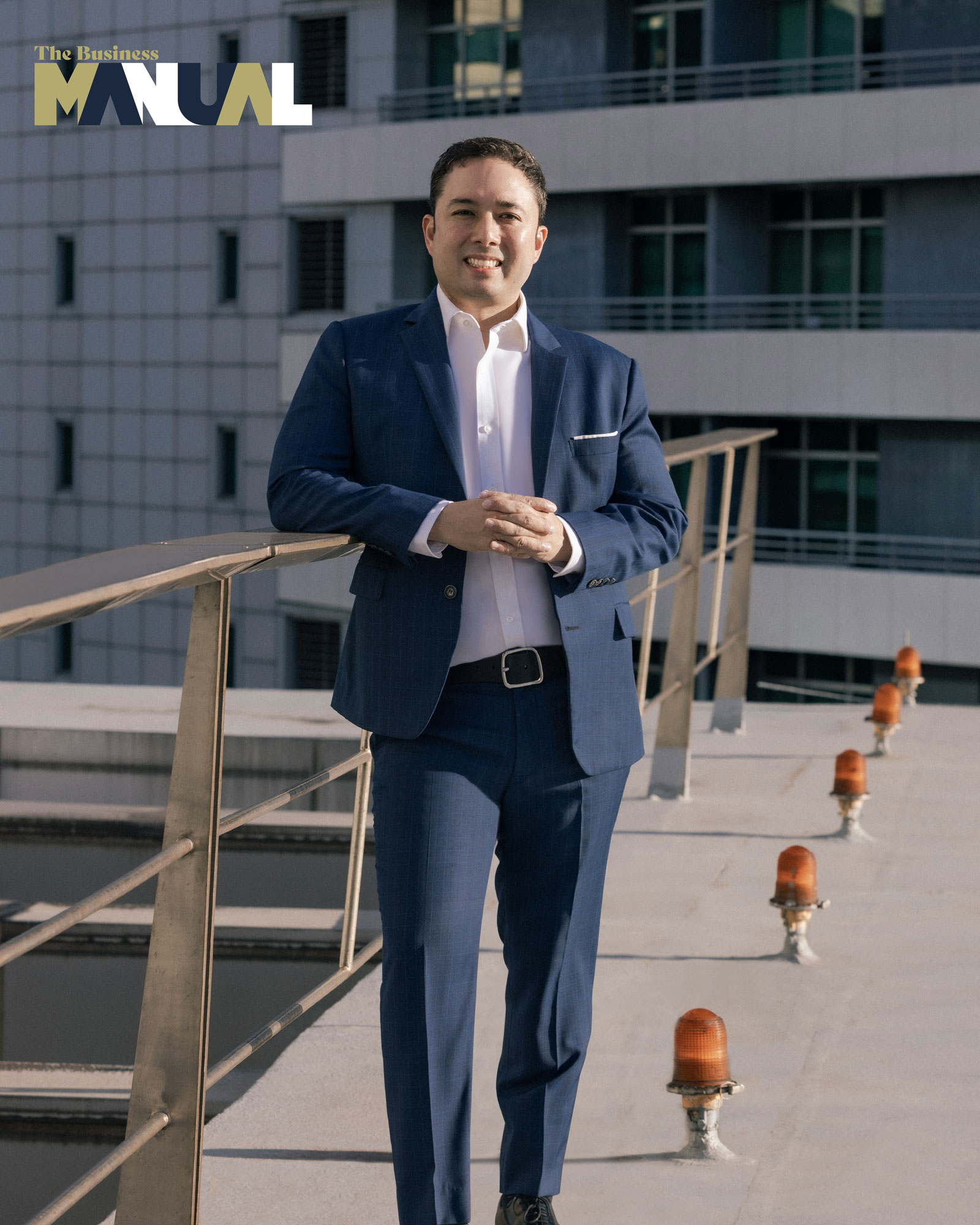
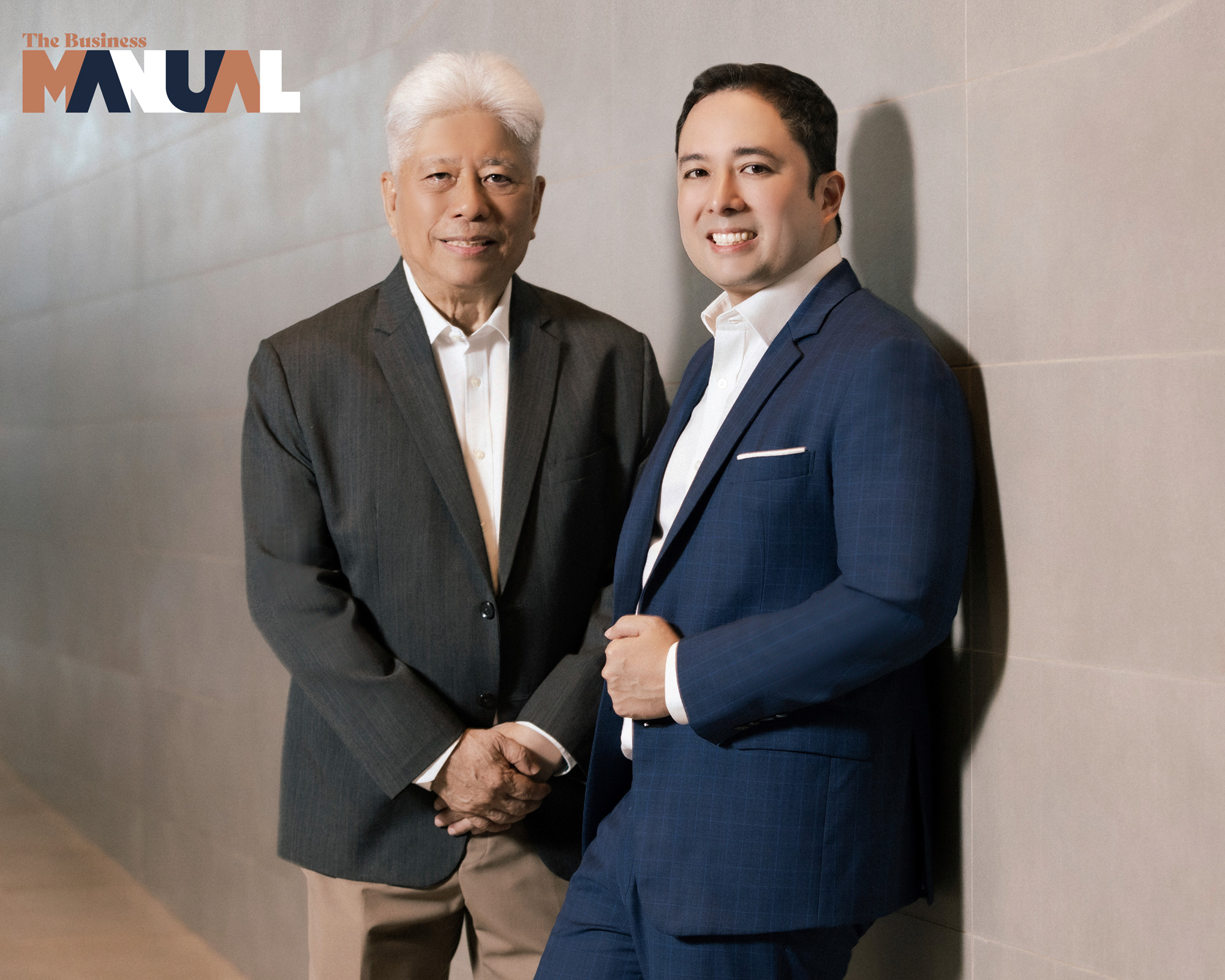
Fast forward to 2024, and Charlie Rufino has taken a step back from the business. His son Raymond Rufino is the CEO of NEO, a sustainable real estate development company that now leads the portfolio of the Rufino Group.
Like Charlie, Raymond joined the family business early on in his career–but not without paying his dues first. His first foray into business? The famed Louie’s THX cinema, which was an icon at the turn of the millennium, along Mile Long.
Raymond says, “In a way, that was also exposure to real estate, maybe we'd call it entertainment-style real estate… As I worked at the theater, I said, I really enjoy this. I really like this aspect of these places where people come together for enjoyment. It's very operational. There's so many things to look at.”
Raymond would take these lessons along with him, always remembering that construction projects should also be an experience. And after his work with the Rufino family’s foundation, he began his real estate career with the Times Plaza building in Manila.
“After that, I was hooked,” Raymond shares. He continues, saying, “we were turning over from construction to operations. Then I guess the real estate bug was fully in my veins at that point. And I knew at that point that real estate was what I wanted to do for the rest of my life.”
The Seeds of Sustainable Real Estate Development
NEO had its start in the early 2000s when Bonifacio Global City was a newly turned over military base. Prior to that, Charlie Rufino was Senior VP for Business Development for the Fort Bonifacio Development Corporation.
“I was very lucky because I was part of the development,” Charlie says. “And I knew the time and effort and the planning that went into it.
“So it's very much a city that's built really with the idea of density. So everything underground, power, utility, especially even the storm drainage. So I knew that this city was built to last.”
Charlie decided to invest in BGC.
“I didn't have any qualms investing in it myself,” he says. “So that's where I started because [of] my strong belief of knowing exactly what went in there, we knew it had the legs for becoming a great city.”
This investment would pay off handsomely. Today, NEO has built seven green buildings in BGC. With a total ground floor area of 268,011 sq. m., NEO is home to over a hundred tenants and a total population of around 30,000 building occupants.
It all began with one building.
Applying lessons from the past, Charlie Rufino built “a better building,” reinventing once again with NEO.
“We created a signature building,” he says, “we built it of very good quality.”
True to the vision of BGC as a modern city for the future, the building was a sustainable green building. But while today, the benefits and the demand for sustainable development is clear, the challenges were different at the time.
“I suppose our big challenge before was getting people to believe in BGC,” Charlie explains. “I mean, we believed in it, but it's important to populate your building. So during the early days, it was really tough.
“But after the first three years, when we planted our flag, and we knew the market, we were sort of able to know exactly what type of tenancy we would like in Bonifacio. So we were able to do the second, third, fourth, and the fifth very quickly after that, because I think we earned the ability to really know and characterize our target market.”
Green Masterplan: NEO’s Environmental Stewardship
In the Paris Accords (2016), 196 parties, including the Philippines, agreed to keep the rise of global temperatures to 1.5°C by reducing greenhouse gas emissions. The Paris Agreement also seeks to achieve Net Zero emissions by the middle of this century, meaning emissions and removal of greenhouse gasses are in balance, or net zero.
Real estate and construction account for around 40% of global greenhouse gas emissions, Charlie Rufino notes in NEO’s 2021 Sustainability Report. Thus, sustainable real estate development must play a role in reducing emissions.