Business 101 June 30, 2026
Bookmark feature is for subscribers only. Subscribe Now to save your favorites.

What is the EPR Law?

FacebookXEmailCopy Link
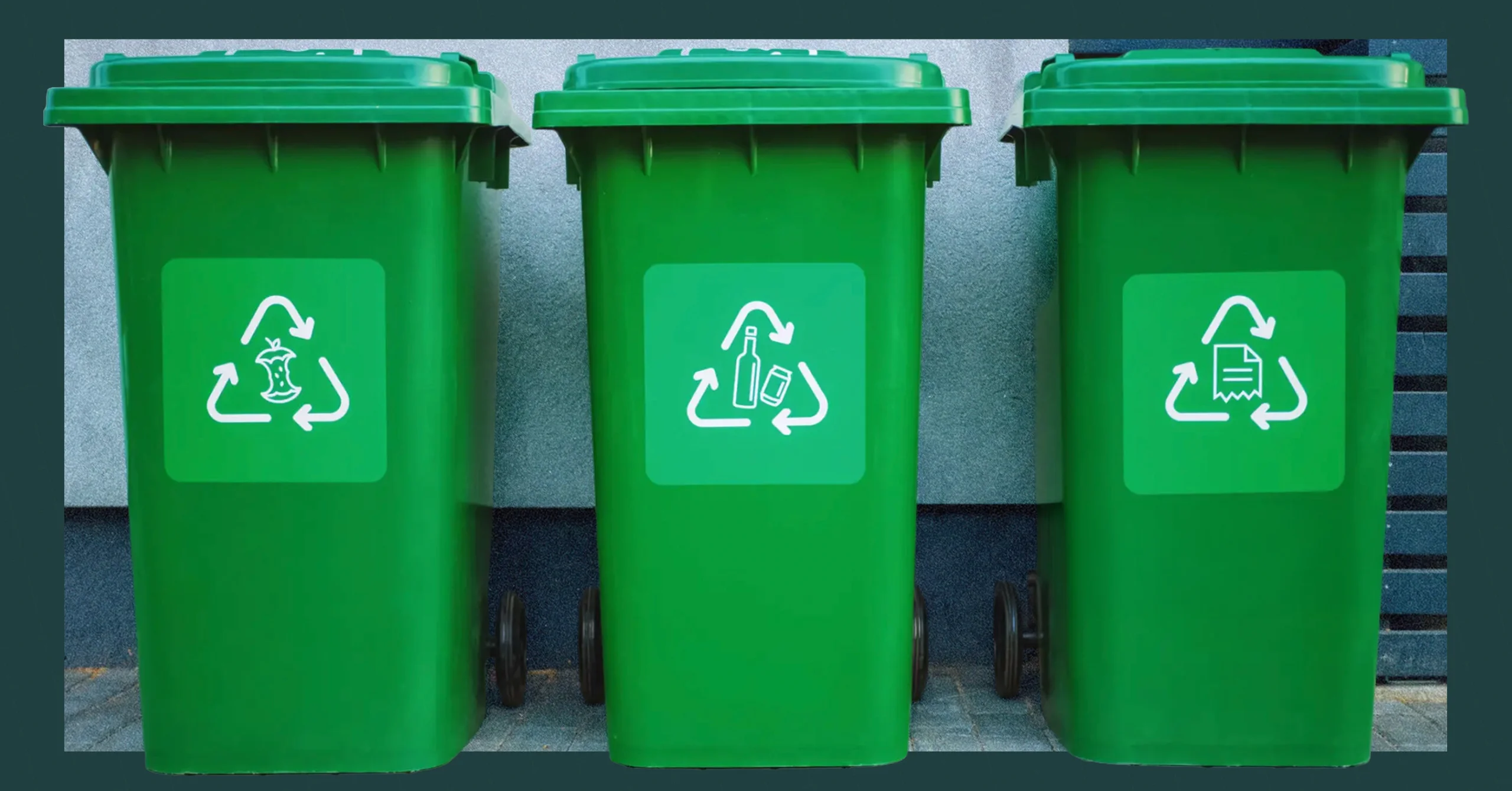
The EPR Law requires plastic producers to recover their own packaging waste.

The EPR Law requires plastic producers to recover their own packaging waste.

The Extended Producer Responsibility Act of 2022 (Republic Act 11898) requires businesses to take responsibility for the lifecycle of their plastic products. The aim is to reduce plastic pollution by requiring large enterprises to implement waste management and recycling programs.

This means they must recover a share of the plastic packaging they put into the market.

The EPR law amends its precursor, RA 9003, or the Ecological Solid Waste Management Act of 2000.

The Philippines is a major contributor to global ocean-bound plastic via rivers. A Science Advances study published on April 30, 2021, found that seven of the top ten rivers contributing to global plastic emissions were located in the Philippines. 

The World Bank Group said in a March 22, 2021, report that the country’s “high dependence on single-use plastics… has led it to become a sachet economy.”

Who Has to Comply with the EPR Law?

Any business with combined total assets of over P100 million (excluding the value of land where their offices are located) is considered an “obliged enterprise.”

These include brand owners, manufacturers, and importers of consumer goods who use plastic packaging. These also include enterprises that generate post-consumer plastic packaging waste.

What are the Types of Plastic Covered by the Law?

Flexibles - Includes sachets and labels

Rigids - Includes containers for beverages and personal care products

Plastic bags - Includes polymer bags for transporting goods

Polystyrene - Includes packaging for food

What are the Recovery Targets Set by the Law?

The law sets a schedule for how much plastic packaging companies must divert from the environment. The timeline is as follows: 

20% (2023) → 40% (2024) → 50% (2025) → 60% (2026) → 70% (2027) → 80% (2028 onwards)

What are the Ways Companies Can Comply with Waste Recovery?

There are three routes obliged enterprises can take to comply with the EPR Law: individually, collectively, or through a Producer Responsibility Organization (PRO).

This content is available to our subscribers. Join our community to access premium content and elevate your business knowledge.

Already a subscriber? Login
OR
ANNUAL
1,000
per year
SEMI-ANNUAL
500
per six months
QUARTERLY
250
per three months
MONTHLY
100
per month

Frequently Asked Questions

The Extended Producer Responsibility Act of 2022, or Republic Act 11898, requires businesses to take responsibility for the lifecycle of their plastic products. It amends the Ecological Solid Waste Management Act of 2000 (RA 9003) and requires large enterprises to recover a share of the plastic packaging they put into the market through waste management and recycling programs.

Any business with combined total assets of over P100 million, excluding the value of land where its offices are located, is considered an obliged enterprise. This includes brand owners, manufacturers, and importers of consumer goods that use plastic packaging, as well as enterprises that generate post-consumer plastic packaging waste.

The law sets an escalating schedule for how much plastic packaging companies must divert from the environment: 20% by 2023, 40% by 2024, 50% by 2025, 60% by 2026, 70% by 2027, and 80% from 2028 onward.

Obliged enterprises can comply individually, collectively, or through a Producer Responsibility Organization (PRO), which is an organization that handles waste recovery on their behalf. Compliance also requires working with a waste diverter — a facility that processes plastic waste so it doesn't end up in a landfill or the environment.

Non-compliant obliged enterprises face fines and risk losing their business license. Companies must also submit an annual EPR Compliance Audit Report to the Department of Environment and Natural Resources within the first six months of the following year to demonstrate compliance.

Patricia Mirasol

Patricia Mirasol

Managing Editor

Patricia Mirasol has spent the better part of a decade telling stories that matter, and building the teams and platforms to tell them well. A former multimedia journalist and producer at BusinessWorld — where she covered health, technology, and MSMEs and eventually co-led the online team — she's now managing editor at the refreshed The Business Manual.

Her work has been recognized by the Philippine Space Agency, the Philippine Press Institute, and the Department of Science and Technology, and spans articles, podcasts, videos, and immersive long-form features on topics close to everyday Filipino life: motorcycle taxis, water systems, and beyond.

More From Business 101

Business 101

People, Process, Tech: The Framework for Scaling Your Business Sustainably

Business 101

Climate Resilience in Philippine Office Design: Strategies for Developers and Landowners

Business 101

How Should Companies Measure the ROI of AI Investments?

Business 101

What Entrepreneurs Must Give Up to Scale a Business

Learn straight from the top CEOs and business leaders. Access exclusive articles and videos.

Subscribe Now