April 01, 2026
Bookmark feature is for subscribers only. Subscribe Now to save your favorites.

From Digital to Intelligent: The New Age of AI-Powered Marketing

FacebookXEmailCopy Link
The digital marketing playbook that dominated the last decade no longer works in the intelligence age. Marketing is no longer about being seen. It is about being recommended.

The digital marketing playbook that dominated the last decade no longer works in the intelligence age. Marketing is no longer about being seen. It is about being recommended.

Digital marketing is dead.

That line would have sounded outrageous just two years ago. Today, it is increasingly true.

The digital marketing playbook that dominated the last decade was built on a familiar formula: buy Facebook ads, optimize Google search, boost Instagram posts, hire influencers, run programmatic campaigns, then analyze clicks, impressions, and conversions. The marketer’s role was to distribute content, buy media, and optimize campaigns faster than competitors.

But something fundamental has changed.

The Difference Between Digital Marketing and Intelligence Marketing

In the digital age, technology helped marketers reach people. In the intelligence age, artificial intelligence (AI) helps marketers understand, predict, create, decide, and even act. The old world of digital marketing was built on channels. The new world of intelligent marketing is built on intelligence.

The winners of the next decade will not be the companies with the largest ad budgets. They will be the companies with the smartest marketing systems.

The shift is already happening. Consumers are spending less time searching and more time asking. 

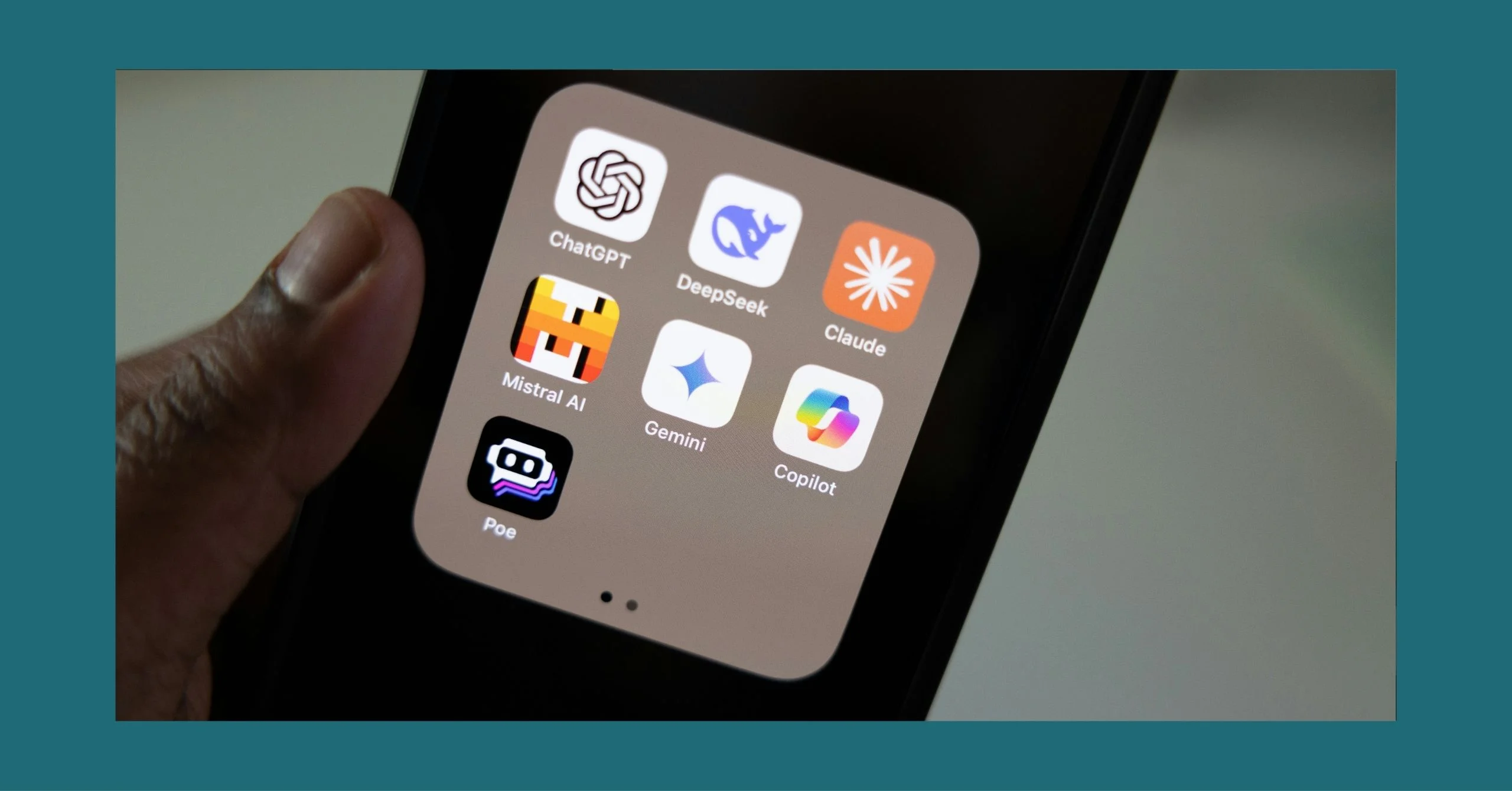
Instead of typing keywords into Google, they are asking ChatGPT, Gemini, Claude, Perplexity, and other AI assistants for recommendations. Instead of browsing dozens of websites, they want one intelligent answer. Instead of discovering products through ads, they increasingly discover them through AI-curated suggestions.

In this new world, marketing is no longer about being seen. It is about being recommended.

Traditional digital marketing assumes that consumers would do the work. They would search, click, compare, read reviews, watch videos, and then decide.

Intelligent marketing reverses that process. AI does the research for the customer and presents a shortlist of trusted options.

If your brand is not part of that shortlist, you do not exist.

The Shift from SEO to GEO

This is why the old rules of digital marketing are dying. Search engine optimization (SEO) is giving way to Generative Engine Optimization or GEO. Social media managers are being replaced by AI-powered content agents. Media buying is shifting from manual planning to autonomous AI systems that can create, test, optimize, and redeploy campaigns in real time.

The marketer of the future is no longer simply a creative person or a media buyer. The marketer of the future is an orchestrator of intelligence.

The rise of AI agents is accelerating this shift. An AI agent is not just a chatbot. It is an autonomous system capable of carrying out tasks, making decisions, learning from results, and continuously improving. Imagine having an always-on marketing team that never sleeps. One AI agent monitors customer sentiment across thousands of conversations. Another creates content variations for different audiences, while a third analyzes competitors. Yet another launches ads, reallocates budgets, and predicts which customers are most likely to buy next week.

This is not science fiction. It is beginning to happen.

Global companies are building “agentic marketing teams” where AI agents work alongside human marketers. One agent researches consumer behavior. Another writes copy. Another generates video. Another monitors results and recommends the next move.

Human marketers do not disappear, but their role changes. They become strategists, editors, and decision-makers guiding an intelligent machine workforce.

Companies that still rely only on yesterday’s digital playbook risk irrelevance. The obsession with chasing likes, followers, and impressions may soon look as outdated as buying newspaper classified ads.

The question is no longer whether AI will change marketing. The question is whether marketers are prepared for what comes next.

The Five Intelligence Marketing Trends

Here are five major trends defining this new era of intelligent marketing:

This content is available to our subscribers. Join our community to access premium content and elevate your business knowledge.

Already a subscriber? Login
OR
ANNUAL
1,000
per year
SEMI-ANNUAL
500
per six months
QUARTERLY
250
per three months
MONTHLY
100
per month

Frequently Asked Questions

GEO focuses on optimizing content to be cited and recommended by AI assistants like ChatGPT and Gemini rather than just ranking on a search engine results page. While SEO targets keyword placement and backlinks to satisfy algorithms, GEO requires structuring brand data and authority so that AI models perceive the brand as a trusted answer. This shift is critical because users are moving away from browsing multiple websites in favor of receiving a single, intelligent, AI-generated recommendation.

Agentic marketing uses autonomous AI systems, or "agents," that can make decisions, execute tasks, and optimize campaigns in real time without constant human intervention. These agents monitor sentiment, create content variations, and reallocate media budgets based on predictive analytics, functioning as an always-on marketing workforce. Consequently, the human marketer’s role shifts from manual execution to becoming an "orchestrator of intelligence," focusing on high-level strategy, ethics, and guiding the machine workforce.

As AI makes it possible to generate vast amounts of content instantly, the internet is becoming oversaturated, making authentic brand credibility a scarce and vital resource. AI systems prioritize brand trust, verified reviews, and community reputation when deciding which products to recommend to users. Therefore, brands must move beyond producing high volumes of media and instead focus on building deep authority and expertise to remain relevant in AI-curated shortlists.

Companies relying on outdated tactics like chasing likes and manual media buying risk irrelevance as consumer behavior shifts from searching to asking. Traditional digital marketing assumes consumers will do the heavy lifting of comparing reviews and clicking ads, but intelligent marketing uses AI to do this research for them. If a brand is not structured to be "recommended" by these intelligent systems, it effectively ceases to exist in the modern consumer’s non-linear journey.

Philippine businesses can bypass outdated digital tactics by investing directly in AI-powered customer intelligence systems and data infrastructure rather than just increasing social media ad spend. Similar to how the country skipped landlines for mobile phones, local companies can adopt "Search Everywhere Optimization" to ensure visibility across TikTok, Reddit, and AI voice assistants. Building these smart systems today allows local brands to predict customer needs and achieve hyper-personalization levels that legacy competitors cannot match.
Donald Patrick Lim

Donald Patrick Lim

Writer

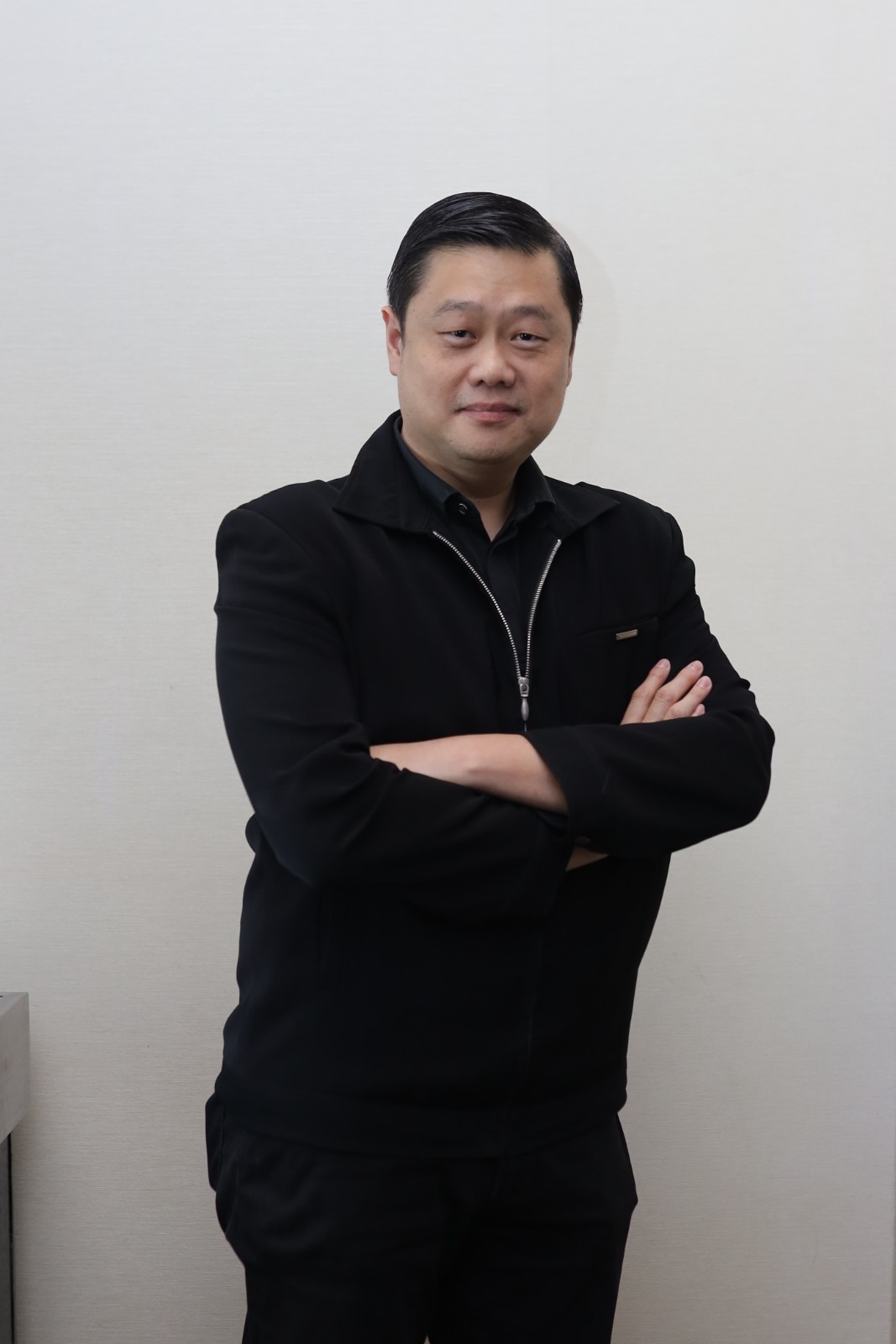
Dr. Donald Patrick Lim is considered one of the founding fathers of digital marketing in the Philippines. He is currently the president and chief operating officer of DITO CME and chief innovation officer of Udenna Corporation. Prior to this, he served in various leadership capacities across media, advertising, and digital — as country CEO of Dentsu Aegis Philippines, chief digital officer of ABS-CBN Corporation, and managing director of MRM Manila. He also oversees twelve businesses of his own and provides management and digital consultancies for government and private sector clients.

Donald sits on the board of governors of the Management Association of the Philippines and serves as president of Operation Smile Philippines. He is the founder of IMMAP (Internet and Mobile Marketing Association of the Philippines) and the Creator Influencer Council of the Philippines, and founding president of the Blockchain Council of the Philippines.

Learn straight from the top CEOs and business leaders. Access exclusive articles and videos.

Subscribe Now