CEO Profiles: Jean Henri Lhuillier


Frequently Asked Questions
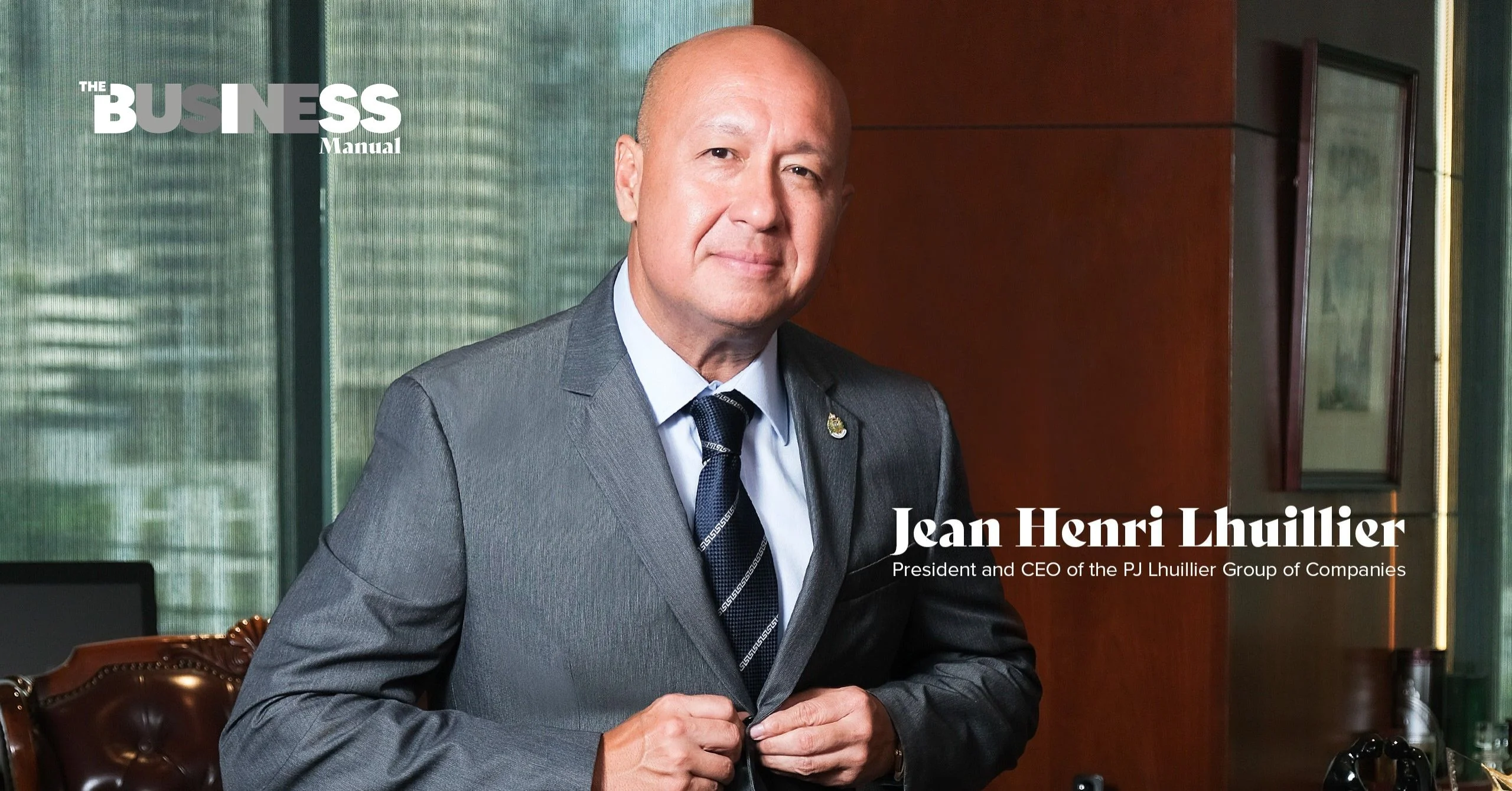
Jean Henri Lhuillier is the President and CEO of the PJ Lhuillier Group of Companies, the parent organization of Cebuana Lhuillier, the Philippines' most prominent microfinancing and pawnbroking name. Under his leadership, the group has expanded into a diverse conglomerate encompassing insurance brokerage, banking, real estate, and hospitality. Beyond his business roles, he serves as a diplomat for the Republic of San Marino and is a major figure in Philippine sports leadership.
Jean Henri Lhuillier has received numerous high-level honors, notably sweeping several categories at the 2025 Globee Awards, including Finance Leader of the Year and a Lifetime Achievement Award. He was also the Grand Winner for CEO of the Year at the 2025 Asia CEO Awards and received Gold Stevie Awards for Executive of the Year in Financial Services for consecutive years (2024 and 2025). His recognitions span across leadership, innovation, and corporate social responsibility.
Jean Henri Lhuillier holds a Bachelor of Science in Economics from Saint Mary’s College and is an alumnus of the Harvard Business School's Owner/President Management Program. He has also been conferred multiple honorary degrees, including a Doctor of Humanities from the Polytechnic University of the Philippines and an Honorary Doctor of Laws from the University of Makati. Additionally, he studied at the Gemological Institute of America, reflecting his expertise in the jewelry and pawn sectors.
Lhuillier strongly believes that the growth of an organization depends on professionalization and hiring the right talent for specific roles. He advocates for hiring individuals who are smarter than the leader and specifically looks for team members who are willing to change, adapt, and improve. By ensuring a proper organizational setup and having the right people in place, he successfully transitioned his family business into a massive, professionalized corporation.
Lhuillier views being a CEO and an entrepreneur as complementary roles that help one understand how to communicate and run a business effectively. He maintains a "number two" mindset, believing that if a leader always thinks like they are in second place, they will constantly strive to remain competitive and reach the top. Furthermore, he values the lessons learned from early business failures, emphasizing that successful leadership requires a deep understanding of the business and an active, present management style.