How Rajo Laurel Transformed His Name Into a Successful Fashion Brand


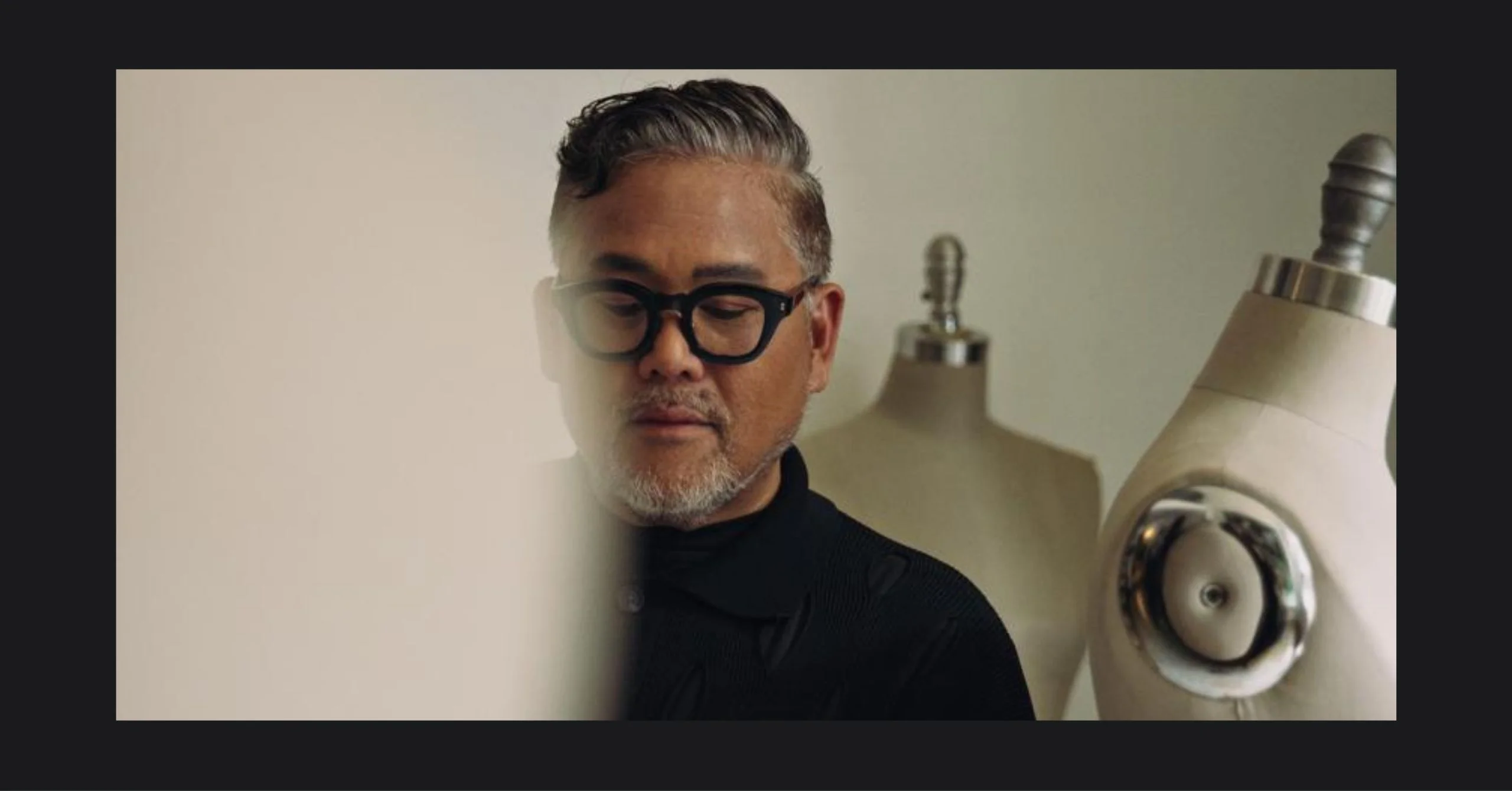
Filipino fashion designer Rajo Laurel shares the challenges of building a legacy brand and his ultimate goal to ensure the House of Laurel outlives its founder.
Rajo Laurel named his fashion brand after himself to reclaim his name from his childhood bullies.
The fashion designer, born Raymund Joseph and nicknamed “Rajo” since childhood, shared that labelling his brand after himself was his way of reclaiming his name after years of bullying.
“I wanted to claim that [name] as my own and use that narrative to really enforce that it’s a good name,” he said.
With a loving grandmother who touted the uniqueness of his nickname, “I think that began that internalization and perhaps even manifestation of what my name would be.”
The designer’s name has since become part of the modern Philippine cultural lexicon. In high-end malls, runway collections, magazine bylines – where there is fashion, there is “Rajo.”
In an interview with The Business Manual, the award-winning creative speaks about naming his brand after himself, as well as the considerations and responsibilities that come with that decision.
The Foundation and Structure of the House of Laurel
Like Christian Dior, Ralph Lauren, and Louis Vuitton, Laurel follows in the footsteps of fashion houses named after their designers.
He owns and serves as the creative director of House of Laurel, an umbrella company that includes labels such as the couture-focused House of Laurel, the ready-to-wear brand The Rajo Store, and the children’s line Rajito.
Filipino fashion designer Rajo Laurel can recount the moment he first saw his name on a garment. He wrote his name on the labels of two dresses, one black and the other dove gray. This was over thirty years ago.
“I was ecstatic because it was almost as if your vision was manifested,” Laurel said in the March 6 interview. “It was almost like creating that particular tangible signature on the piece that you’ve created. Before that, obviously, there was no brand.”
“Once you saw that particular label and tag, it was undeniably mine. So it was ownership.”
Today, Laurel views his brand name as a symbol of pride and aspiration.
“I would like it to mean something,” he replied. “I would like it to mean a name that bears considerable heft and weight of design and responsibility. But more than anything else, I'd like it to signify pride. Pride of place, pride of being Filipino, and pride in the fact that we've lasted this long.”
“It's not a joke to be still here,” he added.
Infusing Filipino Identity Into Fashion With the Lahi Collection
Art, including fashion, is a personal endeavour. Each piece can be emblematic of its creator’s beliefs and values.
This is true of Rajo Laurel, whose fashion lines and pieces represent what the designer stands for. His experiences, inspirations, and contemplations all distill into his craft.
For instance, Lahi (one of Laurel’s collections) is a couture curation that is his response to the question: “Who is the Filipino?”
At a time when consumers seek authentic narratives, Laurel says creators need to reveal themselves through their craft to build a connection between a brand and its audience.
His years in his industry tell him that modern consumers demand a connection beyond the garment itself.
“You need to be vulnerable enough so that it actually attaches to the psyche of the people you are speaking to,” he said.
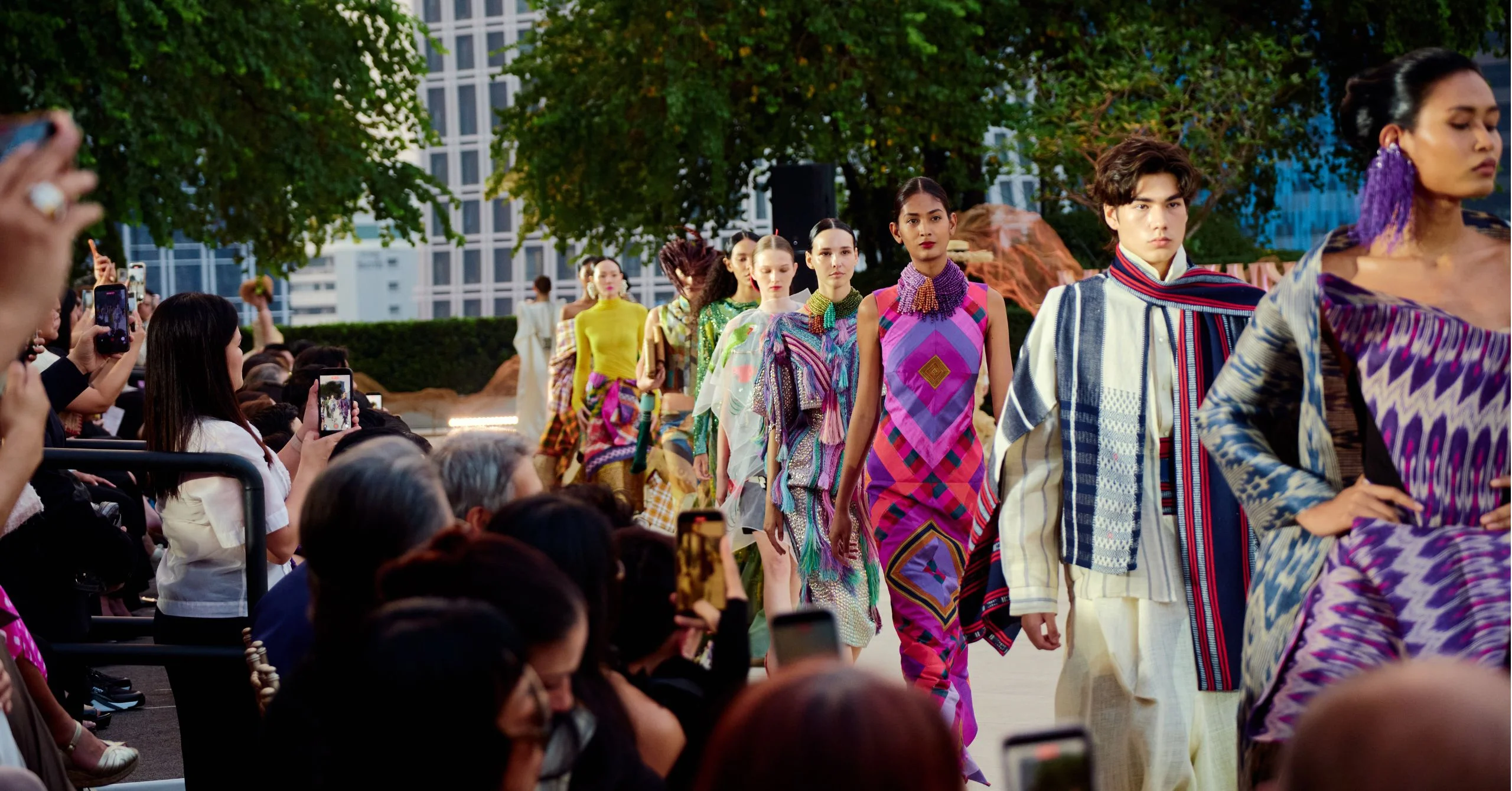
The Lahi collection. Photo courtesy of Rajo Laurel.
Frequently Asked Questions
Naming the brand "Rajo" was a deeply personal decision aimed at reclaiming a name that was once a source of pain. Laurel shared that he was bullied as a child, and by turning his nickname into a prestigious brand, he was able to manifest a narrative of pride and ownership over his identity.
The House of Laurel operates as an umbrella company that manages several distinct labels to cater to different market segments. These include the flagship couture-focused House of Laurel, the ready-to-wear line known as The Rajo Store, and a specialized children’s line called Rajito.
The Lahi collection was a couture curation designed to answer the question, "Who is the Filipino?" Laurel believes that modern consumers crave authentic narratives and vulnerability, so he used this collection to build a deeper psychological connection with his audience by infusing his pieces with Filipino identity and personal values.
The designer discovered that fashion is an unpredictable dialogue between the creator and the consumer. Although RAJOMAN was originally designed for men, approximately 90% of the buyers were women. In response to this trend, Laurel dissolved the sub-label and integrated the garments into the main RAJO brand, choosing to de-emphasize gender and allow customers to interpret the clothing themselves.
Unlike many Filipino fashion houses that close after the founder passes, Laurel’s ultimate goal is for his brand to survive for generations. To achieve this, his team is meticulously archiving the house's history, including physical pieces, embroidery samples, and specific techniques, to ensure the brand's DNA remains strong enough for future successors to evolve and lead.
More From Leadership Lessons