How Rajo Laurel Masters Logistics to Reach the World


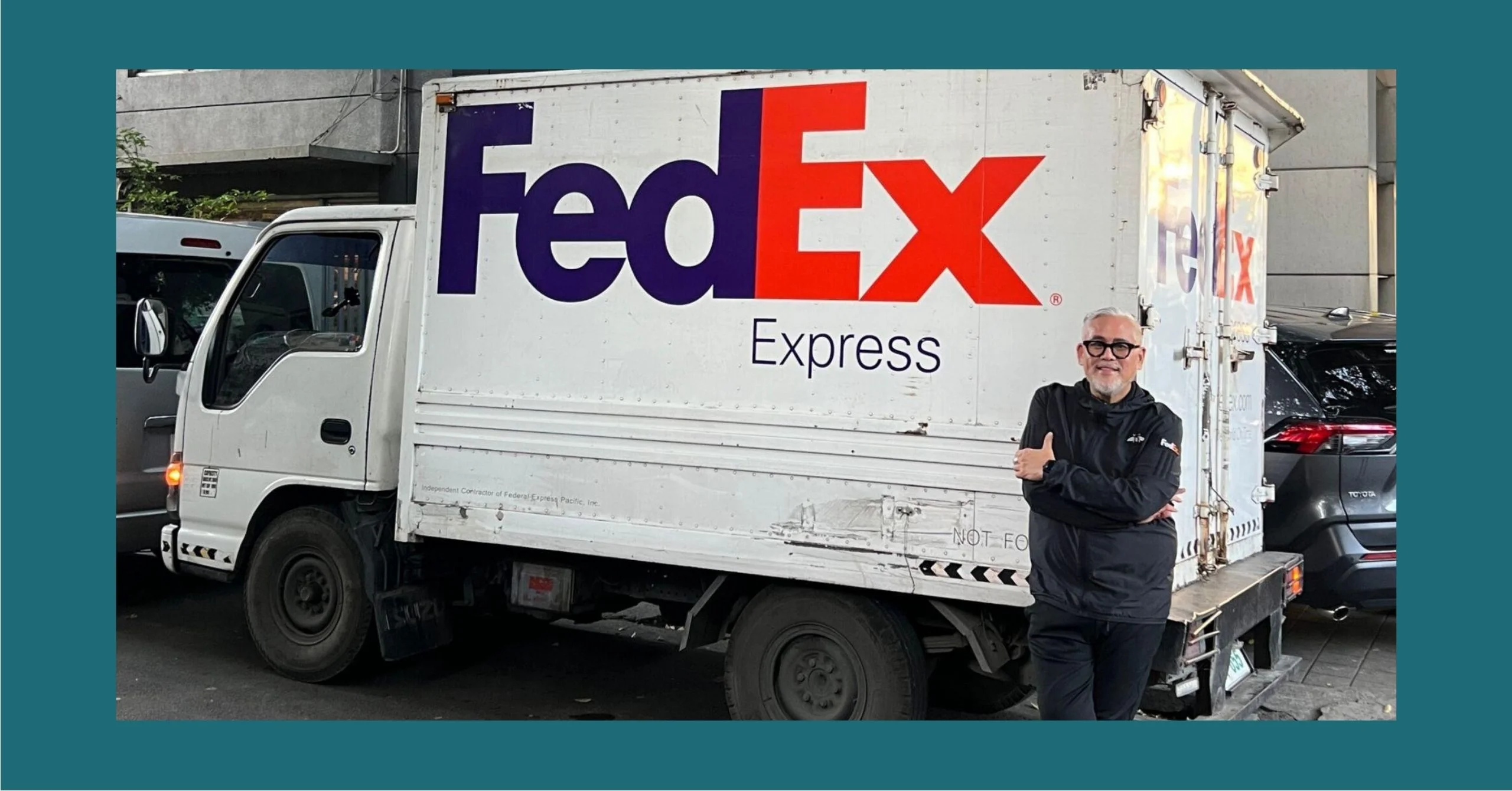
How FedEx solves the global logistics challenge of delivering Rajo Laurel’s fashion worldwide.
A delayed shipment is not only an inconvenience but a missed moment on a global stage. Logistics becomes not just a business necessity but also an extension of the creative process itself.
Rajo Laurel, regarded as one of the country’s most decorated fashion designers, has a global fashion business that requires solving the challenge of transporting garments without compromising quality.
The answer came through years-long collaboration with FedEx Corp. (FedEx).
“What I like about FedEx is that they allow me to be creative and they take care of everything that comes after,” Laurel said. “I’ve never really had to worry about [the] size or weight of the freight shipments. I’m more concentrated on the creative aspect.”
Rather than designing around shipping constraints, Laurel creates first, then collaborates with FedEx on the optimal approach. From specialized protective packaging for textured couture pieces to navigating international customs documentation and clearance requirements, FedEx ensures that delicate, high-value garments move across borders without compromising integrity or timeline.
“There’s an emotional thing when you send something that’s very special. In Filipino, we say ‘pinag-iingatan natin,’” Laurel said. “We use FedEx for these pieces because we know they will arrive on time and [be] cared for at every step of the shipment journey.
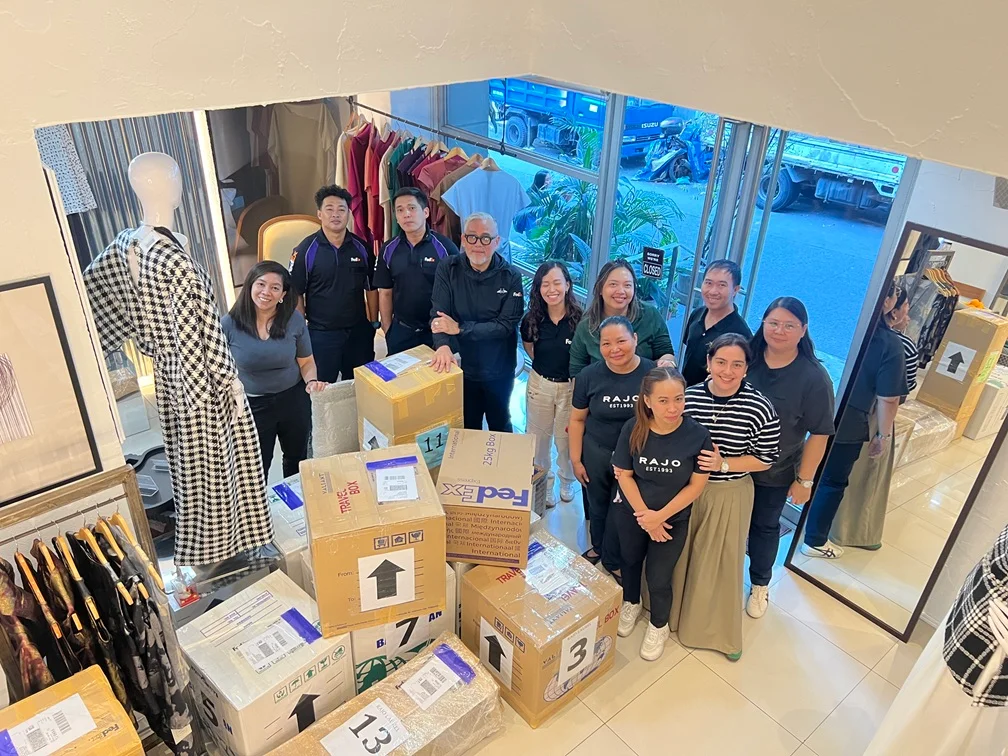
A graduate of the Fashion Institute of Technology in New York, Laurel returned home to build a label rooted in Filipino identity and craftsmanship. For him, fashion is more than just clothing–it is about memory, heritage, and storytelling. Each garment reflects Filipino identity while offering clients, local and overseas, a connection to home.
Regional Growth
The future of Rajo Laurel centers on regional growth within ASEAN (Association of Southeast Nations), with FedEx as an enabler in this expansion. Material innovation, such as in abaca fiber, is on the horizon as well. The fiber carries personal significance as Laurel’s great-grandmother built her business on abaca rope.
Laurel will also launch his “Playtime” collection this summer, which draws inspiration from childlike innocence and creativity.
For Philippine entrepreneurs with global ambitions, Laurel’s path offers lessons: creative integrity must be matched with operational discipline. Understanding your market is essential, but so is choosing partners who improve your capability to expand and allow innovation to move across borders.
Additional profiles from entrepreneurs across the Asia Pacific are available on FedEx Business Insights.
This content was produced in collaboration with FedEx. Our Partner Content stories help us further our mission of providing relevant stories, expert insights, and business intelligence that empower Filipino entrepreneurs. The Business Manual maintains oversight of our partnership standards.
Frequently Asked Questions
Rajo Laurel manages global logistics through a strategic partnership with FedEx, allowing him to focus on the creative process rather than shipping constraints. By utilizing specialized protective packaging for textured pieces and leveraging expert handling of international customs documentation, the brand ensures that high-value, delicate garments reach global stages without compromising quality or timeline.
For a global brand, a delayed or damaged shipment represents a missed creative moment. By partnering with a logistics provider that handles the technical complexities of freight size, weight, and clearance, a designer can maintain creative integrity. This operational discipline ensures that the “memory and heritage” woven into each Filipino garment remains intact from the atelier to the international client.
FedEx acts as an enabler for growth within the ASEAN (Association of Southeast Asian Nations) region by providing the infrastructure needed to move innovation across borders. This partnership allows designers like Laurel to explore material innovations, such as abaca fiber, and launch new collections like “Playtime” with the confidence that the supply chain can support rapid regional scaling and reliable distribution.
A major pitfall is designing around shipping constraints rather than finding a partner that adapts to the product. Laurel’s approach—creating first and collaborating on the optimal shipping approach later—avoids compromising the aesthetic. Additionally, failing to understand customs requirements can stall growth; choosing a partner to navigate these hurdles is essential for maintaining a brand’s “storytelling” and reliability.
Laurel roots his brand in Filipino identity and craftsmanship, using materials like abaca that carry personal and cultural significance. By combining this “spirit of place” with modern operational discipline, he offers overseas clients a connection to home. This blend of local storytelling and global logistics capability allows a homegrown label to challenge international luxury standards while remaining authentically Filipino.
More From Features