Disrupting Philippine Healthcare, One Strategic Step at a Time


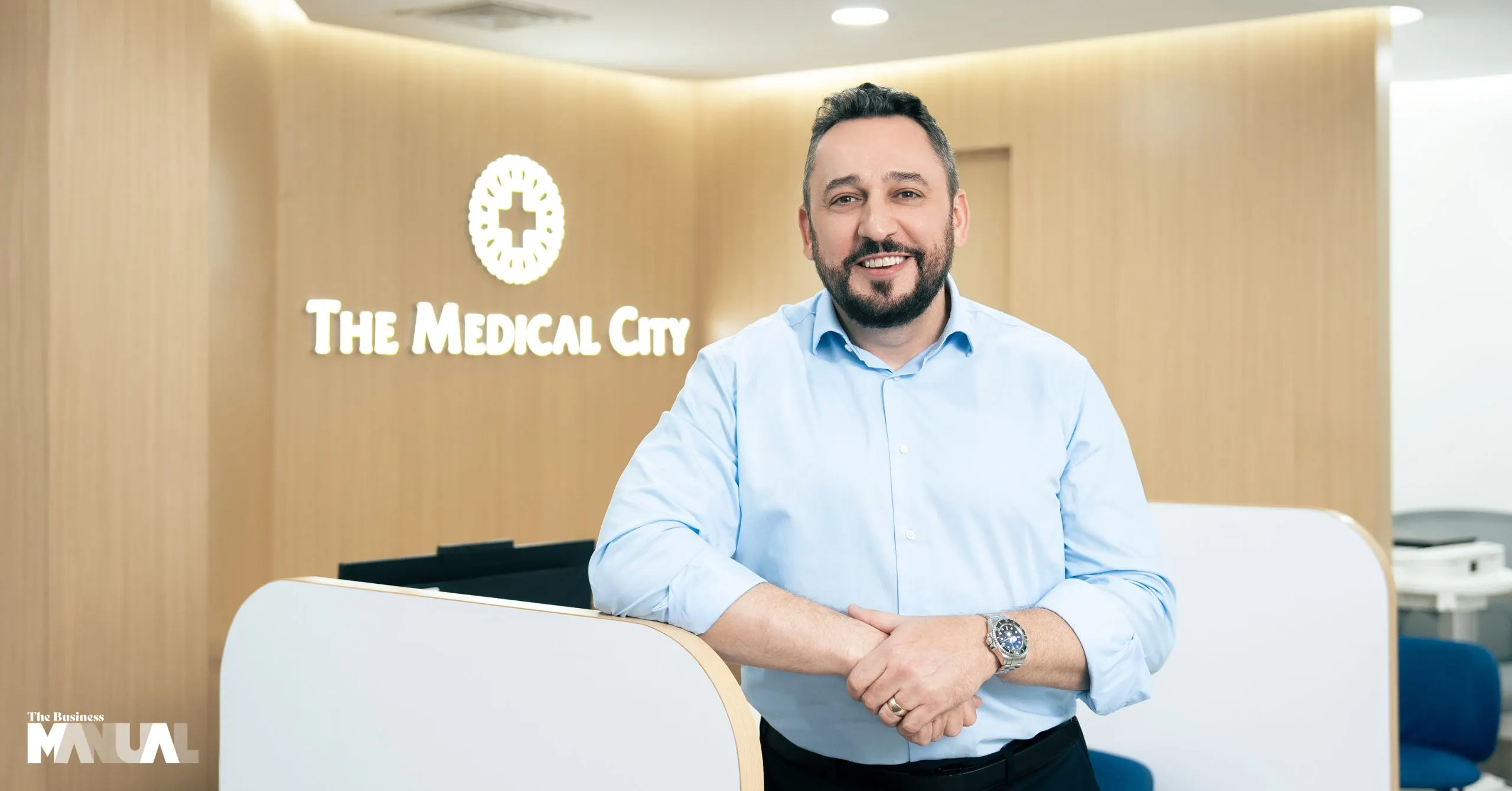
How does one reimagine access to quality healthcare in the Philippines? Dr. Stuart Bennett, GCEO of the Medical City, provides answers.
The Medical City (TMC) is one of the most established and reputable healthcare networks in the Philippines. Its flagship hospital in Ortigas, Pasig City is a formidable structure that serves as the stomping grounds for some of the country’s most trusted doctors and healthcare professionals. It has built a reputation for innovation through its Centers of Excellence, including those focused on cancer, cardiovascular care, and liver disease management and transplantation. However, it has also built a reputation for being a hospital only for those who can afford premium healthcare–something that its Group Chief Executive Officer (GCEO), Dr. Stuart Bennett, isn’t particularly proud of.
“There is this perception that The Medical City has always been for the elite and always been expensive, and I don’t like that badge,” says Dr. Bennett in an exclusive interview with The Business Manual. “And I’m really doing my best to change it.”
While it would have been simpler to cater exclusively to the A and B market segments and focus on maximizing profits, Dr. Bennett and his team are working doubly hard to make TMC’s services accessible to more patients, including to those belonging to the C and D market. They’ve gone as far as trying to make TMC’s brand of healthcare around 20% cheaper than those provided by other hospitals in the same peer group.
Dr. Bennett admits it isn’t easy, as it entails working with vendors, negotiating with doctors to lower their professional fees, and improving systems in place to lower capital expenditure (capex) without sacrificing the level of care and quality of service.
“We want as many patients to benefit from The Medical City services as possible, and we’re willing to do whatever’s necessary to achieve that,” adds Dr. Bennett. “And it is hard work.”
Patient at the Core, Innovation at the Fore
The same commitment to delivering quality healthcare to all patients—regardless of financial capacity—drives Dr. Stuart and his team to continuously enhance operations and clinical outcomes.
Beyond lowering the capex with the help of the right partners, Dr. Bennett, throughout his year of tenure as the GCEO of TMC, has been working with cross-functional teams to streamline and improve the quality of service in all hospitals and satellite clinics.
Innovation has been key to this transformation, and exists in many forms at TMC.
Prior to Dr. Bennett’s appointment as GCEO, the standard waiting time at the emergency room (ER) of TMC was eight hours. That waiting time has since been reduced to four hours.
It took TMC close to six months of collaboration between different departments to make this happen. It required people to “really work together as a team,” as Dr. Bennett puts it.
Moreover, TMC pioneered doctor-led triage in the emergency room. “When you come to the emergency room, we have a commitment that you will see a doctor within 5 to 10 minutes,” Dr. Bennett confirms. As of writing, The Medical City is the only hospital in its peer group that offers this level of commitment.
There is, however, a deeper reason for these welcome changes in the ER, and it probably stems from the fact that Dr. Bennett, in his earlier years of practice as a physician, was an ER doctor. He understands how crucial it is for ER patients to get the care and treatment they need at the soonest possible time.
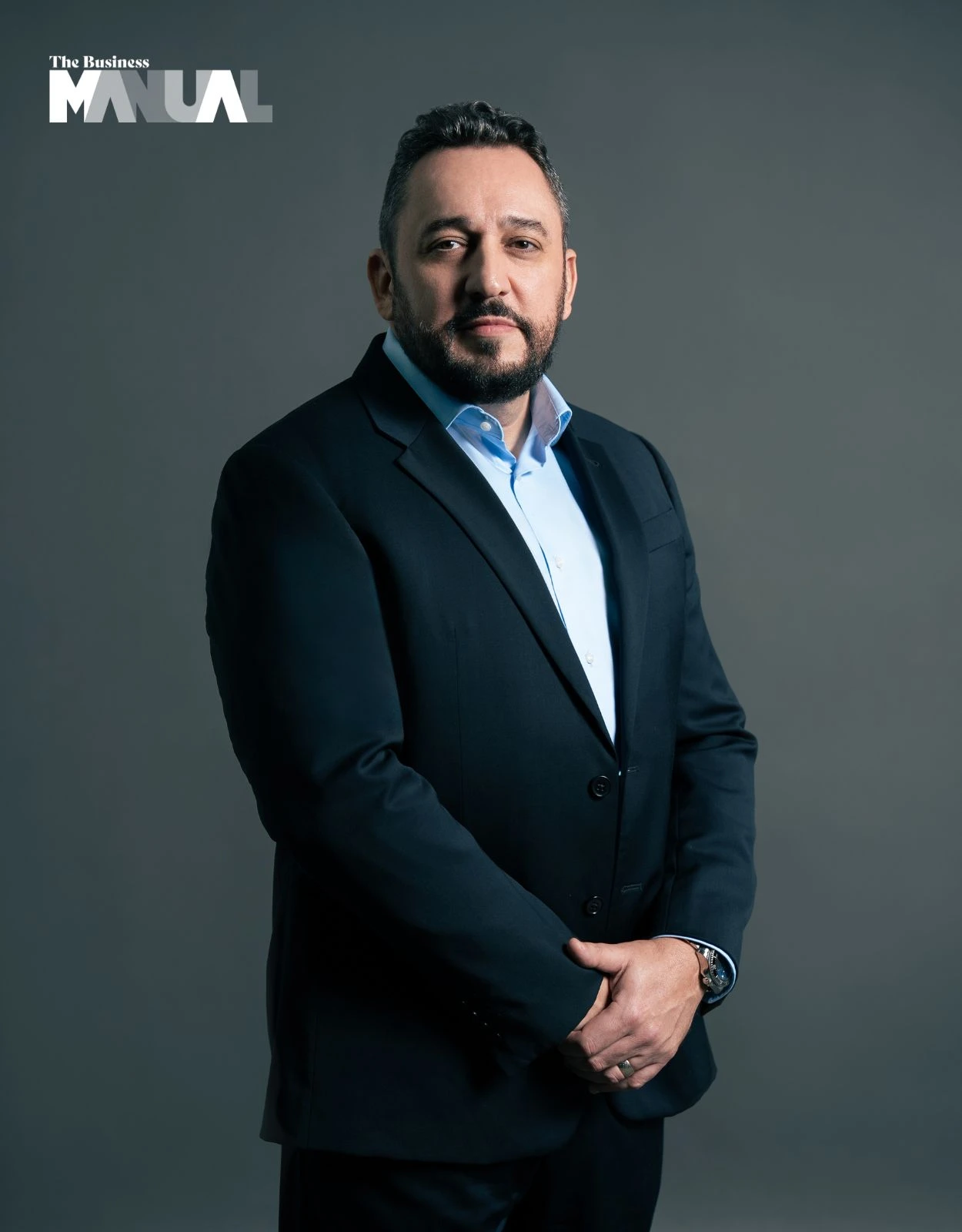
“I’m really focused on emergency department and critical care, right? And I’ll tell you why. Because in most cases, when people come to hospital through the emergency department, that’s when they’re really at their at their most need,” Dr. Bennett says. “People come to the emergency room because they’re sick. That’s where we can really make an impact.”
Raising the Bar Across the Network
Dr. Bennett is adamant in making sure that every patient receives the same level of attention, care, and service across all The Medical City locations—whether in hospitals in Ortigas, Iloilo, Clark, Pangasinan, and Sta. Rosa, or any of its 73 clinics. For Dr. Bennett, maintaining this standard is non-negotiable. He works with different teams to ensure that the quality and consistency of care remain uncompromised. He even personally visits hospitals to offer support when needed, as he is currently doing with The Medical City Clark.
On top of setting the standard for patient experience in the ER, The Medical City is in the process of migrating all medical records from across its five hospitals and 73 clinics to a common records system. Dr. Bennett hopes to accomplish this by the first quarter of 2026, at the latest. Housing all the medical records in one system will allow the doctors across TMC’s network to view and assess every patient’s medical history regardless of the patient’s location at the time of consultation.
So, for example, if patients who regularly go to the hospital in Clark suddenly find themselves in need of a check-up while in another hospital or any clinic, attending physicians will be able to view the patients’ medical records wherever they are. This eliminates the need for patients to undergo unnecessary repeat tests and procedures, making the whole consultation process less tedious and more cost-efficient.
Through its Centers of Excellence, TMC provides specialized medical services using cutting-edge technology, protocols, and highly skilled and trained medical experts. Among TMC’s Centers of Excellence is the Center for Liver Disease Management and Transplantation, the first-ever facility in the Philippines to perform pediatric liver transplant procedures.
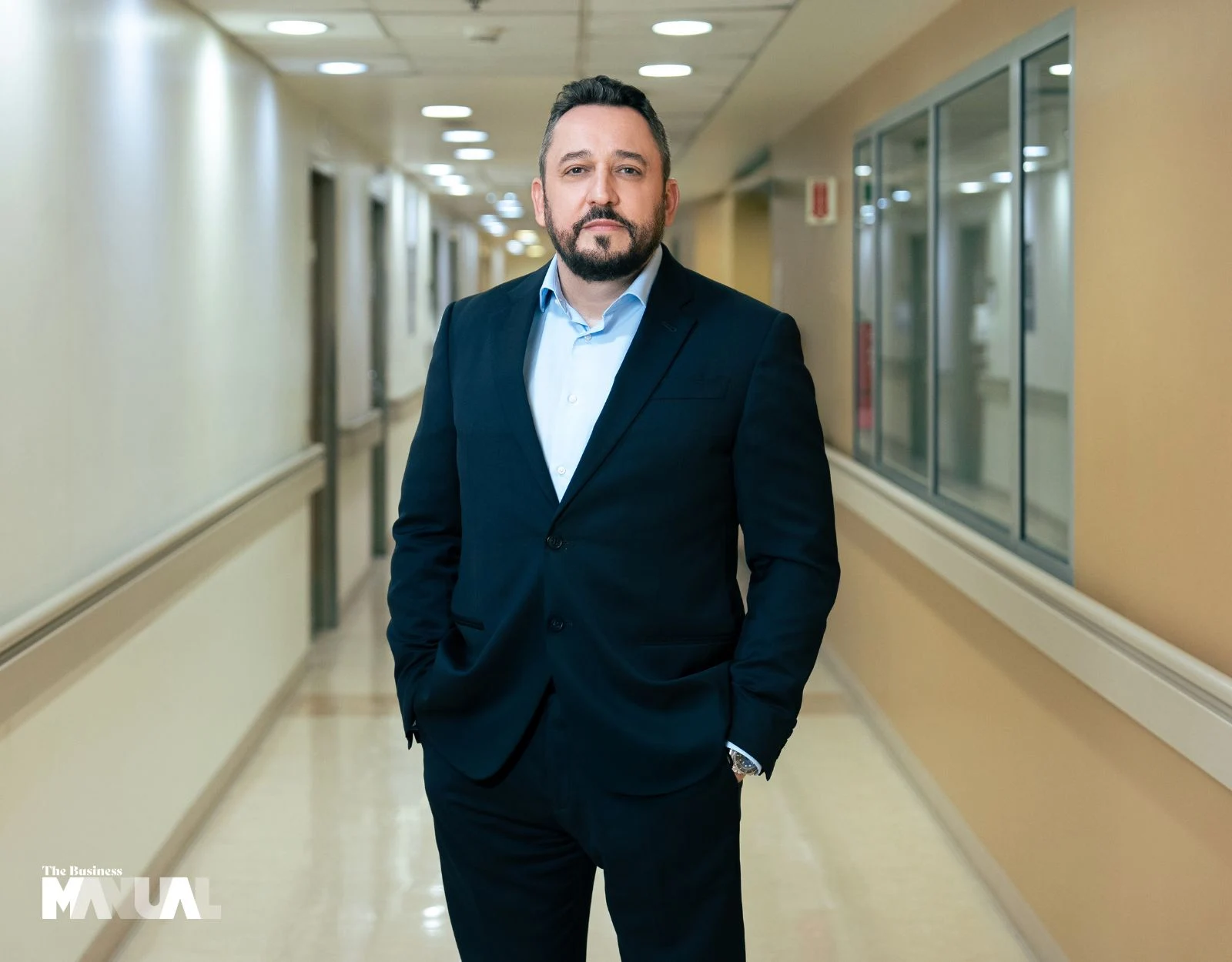
Before pediatric liver transplants became available through TMC, the only viable option for young patients was to travel abroad—most often to India—to undergo the procedure.
This meant that parents or guardians had to accompany their child abroad for two to three months, often requiring them to take extended leave—or even risk losing their jobs altogether. TMC enables patients to have the procedure in-country, without forcing them and their families to uproot their lives in the Philippines, adjust to a completely different culture, and possibly lose income streams. The cost of having the procedure performed at TMC is about the same as the cost of having it in India.
TMC is working with Rizal Medical Center (RMC), a government hospital, to enable and equip the latter to eventually perform liver transplants in its facilities. The Joint TMC-RMC Liver Transplant Program builds on TMC’s proven expertise in liver transplantation and RMC’s dedication to advancing hepatobiliary care in creating a comprehensive program for liver transplants and organ donation.
Initially, transplants have been performed at TMC as RMC develops its facilities. Once the infrastructure is ready, procedures may take place at either hospital, based on patient preference and paying capacity. This partnership highlights TMC’s ongoing efforts to collaborate with the government sector not to uplift its own reputation, but to make healthcare and trearment accessible to the majority.
“I want more people to understand that because of PhilHealth benefits, because of access now to funding for emergency services, you really can access our services. You don’t have to be a VIP,” Dr. Bennett said.
The TMC GCEO has also made it his mission to guarantee that when admitted patients get their final bill, they don’t get shell-shocked by the amount they have to pay. Should there be a difference between the supposed package price and final bill amount, the discrepancy is minimal, at least at TMC.
Coming Full Circle
Before moving to the Philippines to assume the role of GCEO of The Medical City, Dr. Bennett held a range of roles that shaped his distinctive approach to management. His decade of service in the UK Royal Navy instilled in him a strong sense of discipline and purpose—values that would guide his future pursuits. Following his military career, he earned an MBA from the London Business School, equipping him with the business acumen to transition into the world of finance.
Dr. Bennett, recalling his experience, said, “I was very much humbled by joining an MBA program at that level…But I guess I felt affinity with the finance people, mainly because it’s a very similar mindset to being in the military.”
“In finance, you’re measured by the outcomes rather than actions. And numbers don’t lie, so you can’t hide in finance. You’re either performing, or you’re not.”
He soon found himself at Merrill Lynch in London, working in equity capital markets for three years. After Merrill Lynch, he worked for billionaire Richard Chandler, who was running a healthcare and education fund, in Singapore.
“He basically asked me to kind of run the healthcare side of it,” Dr. Bennett recalls. “I was living and working in Singapore, but I actually ended up spending a year and a half in India, running a clinic chain there and doing a turnaround. And so that really started my journey into private investment, private equity, and then interestingly, I eventually came full circle.”
Dr. Bennett has likewise led transformative projects while managing hospitals across Africa, the Middle East, and South Asia. His combined expertise in business, finance, and medicine—sharpened by years of clinical practice and hospital management—has become instrumental in his leadership as TMC’s GCEO.
Striking a Healthy Balance
With its team of highly skilled doctors, nurses, and healthcare professionals, The Medical City upholds the highest standards in delivering quality care and achieving excellent clinical outcomes. “But that doesn’t necessarily translate into running the business in a sustainable way, “ Dr. Bennett points out.
Striking a balance between delivering quality healthcare and ensuring financial sustainability is especially crucial for TMC, which counts private equity investors and shareholders among its stakeholders—each expecting meaningful returns on their investment. Yet, Dr. Bennett believes that TMC’s success as a business lies in its ability to provide the highest standard of patient care.
“If you do the right thing consistently all the time, the business will follow, right? So, if we do the right thing, and the right thing is really to improve access to our services, eventually we will become a trusted brand and partner of choice to patients, and that will bring the financial aspect later on.”
As GCEO, part of Dr. Bennett’s mandate is to streamline operations so that doctors and other healthcare workers can focus on what they need to do: caring for patients. Strengthening TMC as an organization through providing accessible and quality healthcare, as noble and purposeful as it is, is also a strategic path toward sustainable growth and expansion.
As someone with a medical background, Dr. Bennett understands that running a hospital isn’t about making money–it’ about saving lives. But by having a business perspective, he also appreciates the value a healthy bottom line brings to the core mission.
“I want us to be successful as an organization because then we can reinvest and really make sure we have the best hospitals, the best equipment, the best clinics, the best staff,” explains Dr. Bennett.
Partnering with private equity investors gives The Medical City access to the capital needed to drive innovation and unlock strategic advantages.
“In our case, the same investors who invested in The Medical City own hospitals in other geographies, and they’ve done a lot of work with other hospital groups in the region,” Dr. Bennett says. “They know the kind of levers that they can pull to to really drive value.”
“They are used to buying equipment, medical equipment at scale, right? And so the types of deals, which they’ve done in other geographies, allows them to bring the same deals to us–which means it’s more cost-effective for us to buy equipment, and that means that for the same amount of pesos, it just goes further. So, we don’t have to spend as much money on the capex side.”
“They tend to bring a certain discipline in how we look at certain things…They benchmark us not only against their other investments, but also across the market.”
Global Mindset, Localized Leadership
Drawing from his extensive experience, Dr. Bennett has acquired the expertise and vision his current role demands. In just a year as the GCEO of TMC, he has driven meaningful change—streamlining operations, elevating standards, and reinforcing a culture of purpose and progress across the organization.
His global mindset and multicultural background have been invaluable. Nonetheless, Dr. Bennett recognizes the importance of deeply understanding Filipino culture to effectively lead and connect with the local workforce.
If there is one thing about Filipino culture that Dr. Bennett takes to heart–and that The Medical City embodies–it’s the spirit of malasakit.
While maintaining a healthy bottom line is essential to any business, Dr. Bennett believes that in healthcare, profit should never take precedence. For him, the patient experience must always come first.
“I don’t care about your capacity to pay. I care about our obligation that, when you come to us in pain, anxious, scared, not knowing what’s going on. And every touch point that you interact with at The Medical City, I would hope–at least eventually as we’re getting there–you would actually feel that people genuinely care about what’s happening with you.”
As a leader, Dr. Bennett practices a consensus-driven approach, taking the time to listen and involve his team. People working on the ground are given room to speak up, especially in discussions on restructuring and organizational change. Dr. Bennett believes that inclusion fosters both shared learning and shared accountability. And for him, true leadership requires accountability and leading by example—principles he strives to uphold every day.
He also tries to ensure that staff have ample time to adapt to system and process upgrades. “As a leader, you can’t just jettison the people who don’t see the world, the way you see it. You have to bring them along somehow,” he said.
His message to both the clinical and administration side is loud and clear.
“We’re doing this for the same intention. And it’s to have even better outcomes and even more patients serviced.”
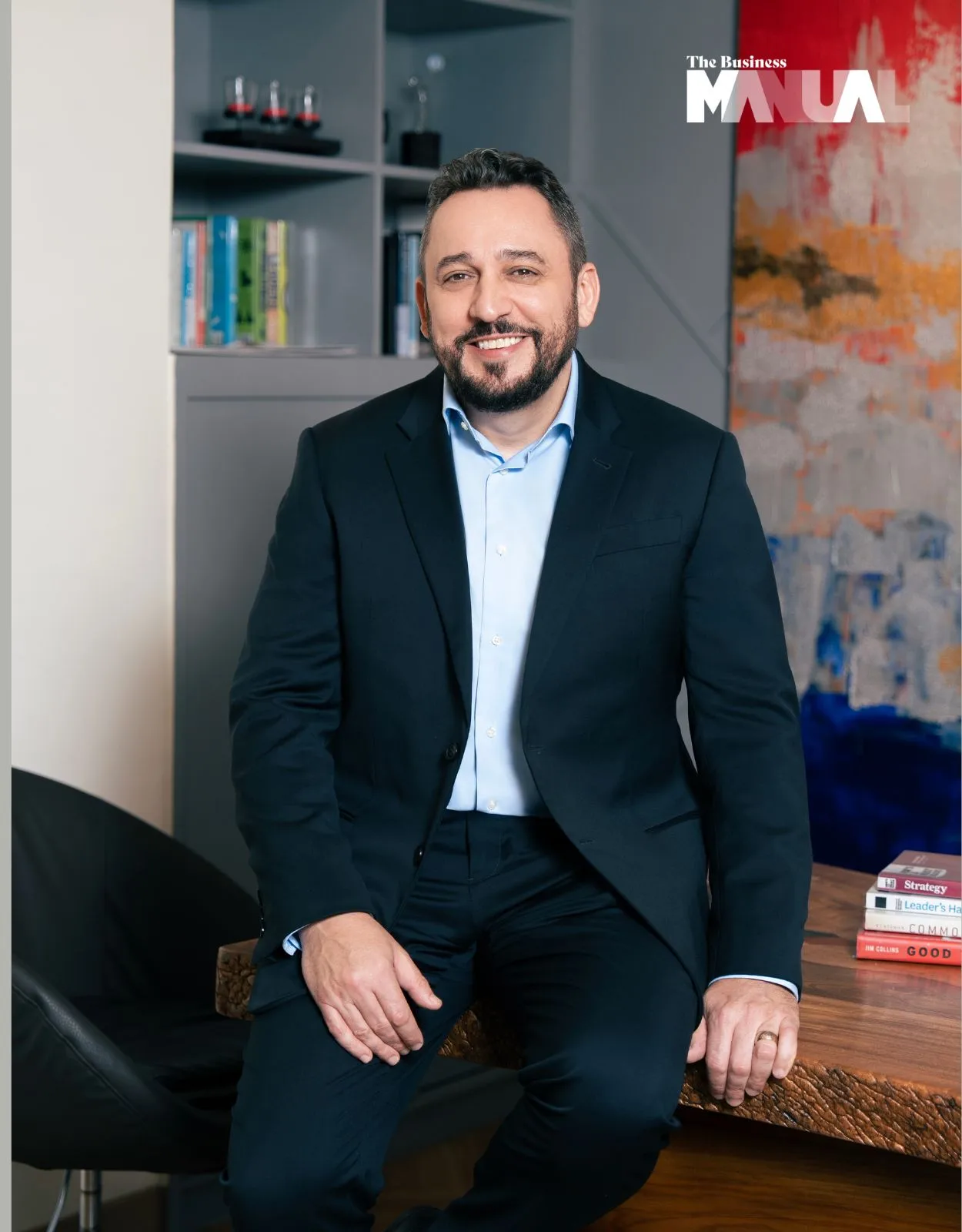
Part of getting people on board is helping them understand the purpose and reason behind certain changes in the organization. This approach has been instrumental in achieving positive outcomes.
“If you bake your ideas around the fact that it’s good for the country, it’s good for the Filipinos that we’re treating, and it’s really about that kind of national pride and that pride in the organization, I think that’s the right way to do it,” Dr. Bennett explains. “Once they’ve bought in, Filipinos are very proud.”
Moreover, Dr. Bennett understands that access to affordable quality healthcare is often overlooked in the Philippines, and he envisions The Medical City as the institution that will set the benchmark for change.
“Making it more accessible for patients is one thing. Empowering the government sector to be able to do their own operations is another thing. And I think demonstrating that we can work collectively and collaboratively to make sure that we demonstrate the capability of the Philippines health market is very important.”
“Whatever innovations we’re doing here, the reason we talk about it is not because we want to fly the flag for TMC. It’s because we want to fly the flag for Philippine healthcare.”
More From Leadership Lessons