Two Proven Business Lessons from Nintendo’s 136-Year History


Frequently Asked Questions
Nostalgia is unsustainable because it relies on past success without addressing the evolving technical or functional needs of modern consumers. While familiar branding creates an initial emotional connection, businesses must integrate thematic innovation to keep legacy products relevant. For example, Nintendo successfully maintains market interest by placing classic characters like Mario into entirely new gameplay contexts and hardware environments rather than simply re-releasing old content.
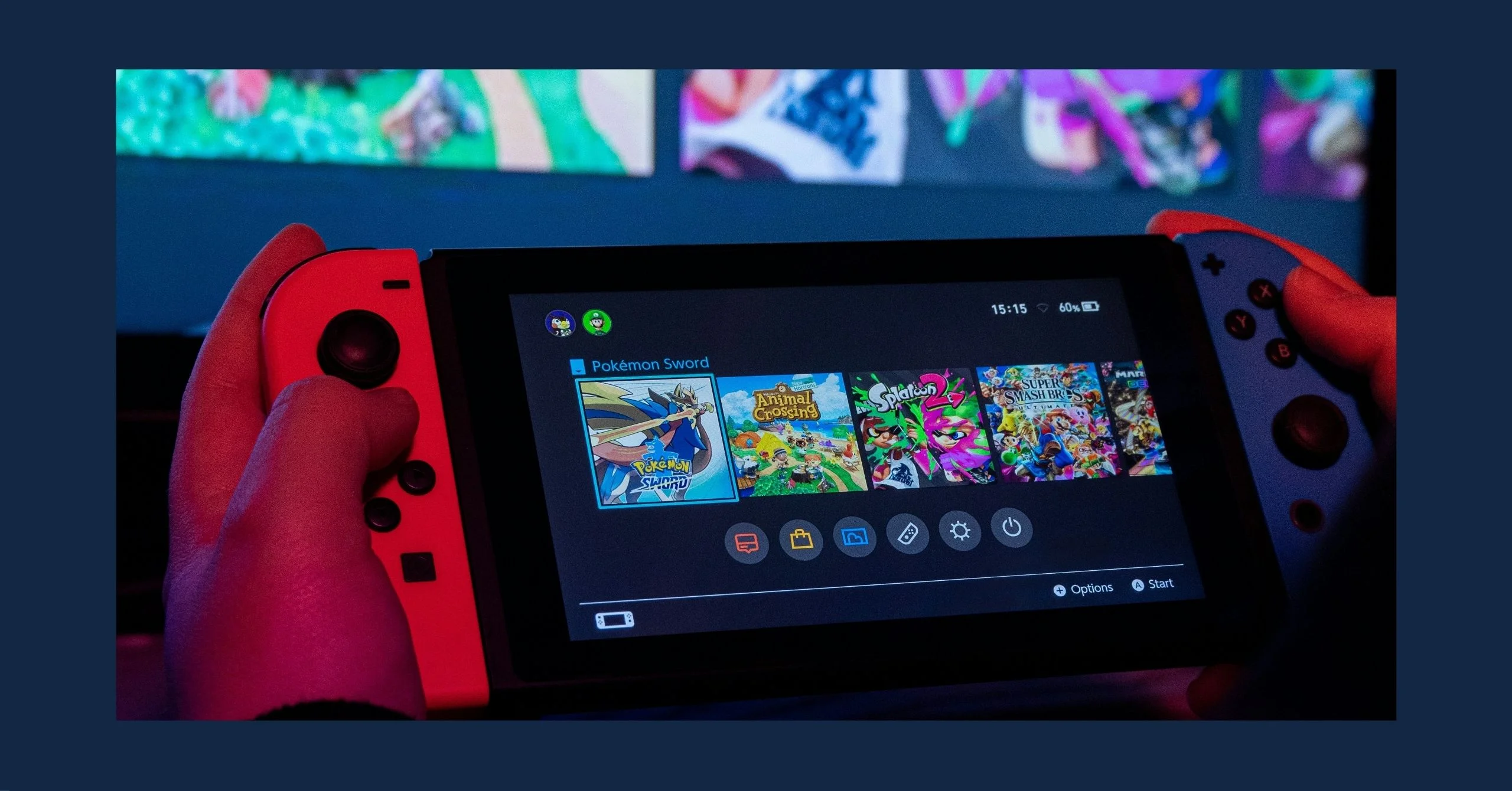
Businesses can achieve resilience by protecting their Intellectual Property and keeping core assets exclusive to their proprietary platforms or ecosystems. This creates a "walled garden" effect that makes your product difficult for competitors to replicate. Nintendo demonstrates this by keeping software like The Legend of Zelda exclusive to its own hardware, while simultaneously maximizing the value of that IP through merchandise, soundtracks, and media expansions.
The primary risk of unfocused diversification is the erosion of brand equity and the potential for long-term reputational damage. Branching into high-growth markets—like Nintendo’s move into mobile gaming—can backfire if the new products do not align with the core brand experience or convert users back to the main ecosystem. Strategic realignment is often necessary to refocus resources on high-performing sectors that truly resonate with the core customer base.
Market responsiveness involves balancing brand continuity with technological evolution based on direct consumer feedback and shifting behaviors. Unlike companies that fail by clinging to "more powerful" versions of existing products, responsive brands focus on changing how the customer interacts with the industry. By listening to market signals and prioritizing user satisfaction over raw technical specifications, businesses can secure a lasting legacy that drives wider cultural change.
A common mistake is prioritizing technical power or scattered expansion over "purposeful innovation" that addresses how people actually use the product. Many startups fail because they rely too heavily on past victories or enter new segments without a clear gateway strategy for their core business. To survive, enterprises should treat every success and failure as a case study, ensuring that every new venture strengthens the brand's primary mission and ecosystem.