How Jewelmer Uses Ecosystem Stewardship to Sustain its Business Model


The Philippine jewelry company relies on marine preservation and community support in Palawan to sustain South Sea pearl production.
Environmental stewardship is not just a corporate social responsibility initiative for Jewelmer, but an operational requirement for product viability.
Jewelmer operates as an international high jewelry Maison - a term which signifies a traditional heritage house - with a business model that is rooted in Philippine marine biodiversity and long-term conservation efforts.
The company aims to create an experience where clients leave with a sense of wonder and rarity, according to its CEO, Jacques Christophe Branellec, son of co-founder Jacques Branellec.
Employees are trained and equipped with product knowledge to tell the brand’s story across global markets, he said in an emailed statement on April 21.
“We aim to foster a deep emotional connection by sharing the journey of the golden South Sea pearl,” he said.
Branellec speaks with The Business Manual about Jewelmer’s respect for the environment and the communities that sustain the company.
Why Pearl Farming Requires High Water Quality
Founded in 1976 by French pearl farmer Jacques Branellec and Filipino entrepreneur Manuel Cojuangco, the company was established to cultivate the golden South Sea pearl through a partnership that combined the former’s technical expertise in pearl farming with the latter’s business vision.
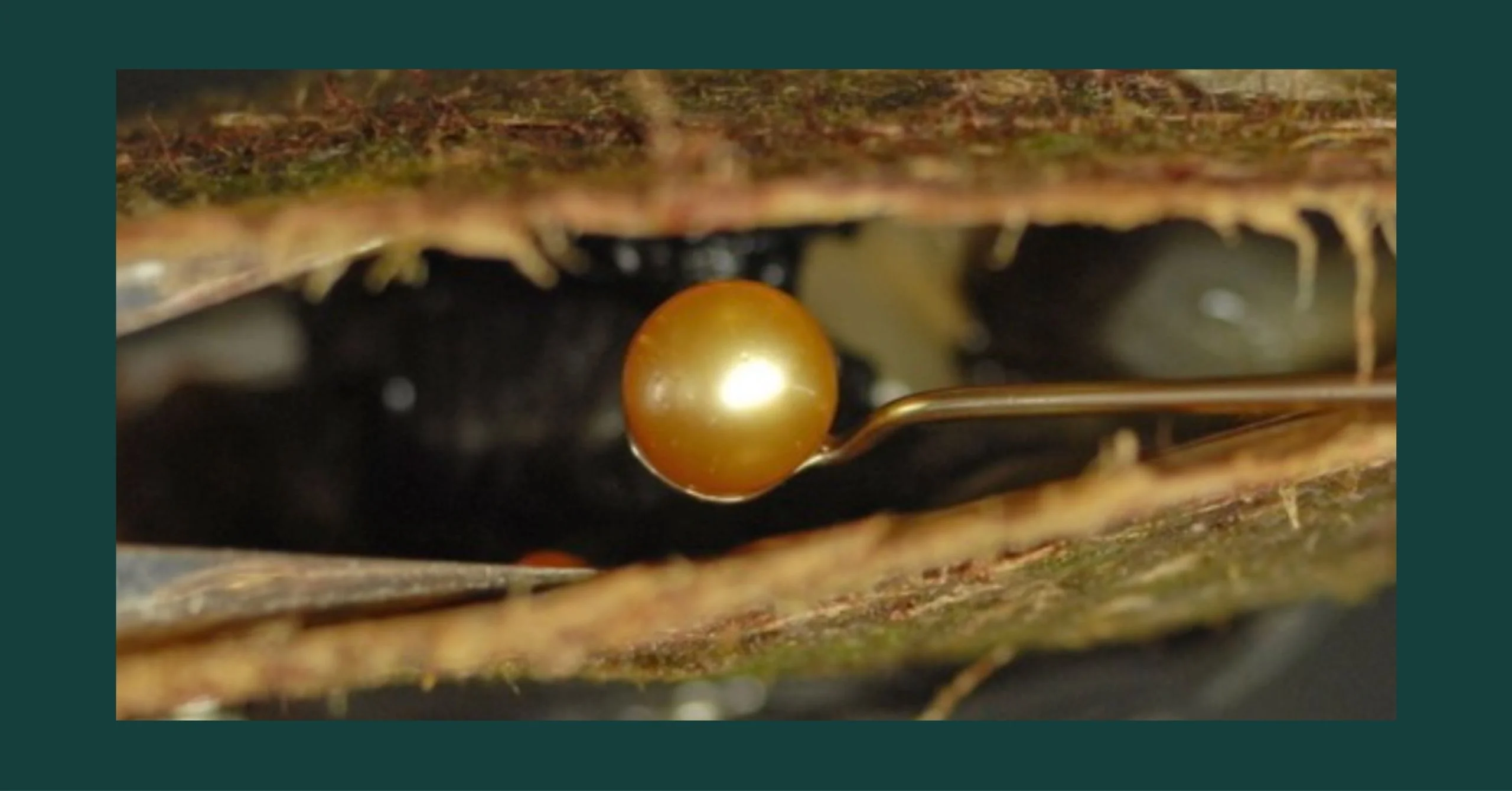
South Sea pearls, the Philippines' national gem, are produced by the Pinctada maxima oyster, the largest species of pearl oyster in the world. The pearls require a longer cultivation period than others: while a freshwater pearl might be harvested in under a year, a South Sea pearl typically stays within the oyster for two to four years.
Because the gold-lipped oyster is an indicator species, which means it is highly sensitive to pollution, the company was founded on the principle that to produce a perfect pearl, they had to become active stewards of the marine ecosystem.
Pearl farming requires high water quality to produce a high-value product, according to The Nature Conservancy, a global environmental non-profit.
“This creates a natural incentive for farmers to protect the surrounding marine environment, effectively turning a commercial enterprise into a steward of the ecosystem,” it said in a January 2024 paper.
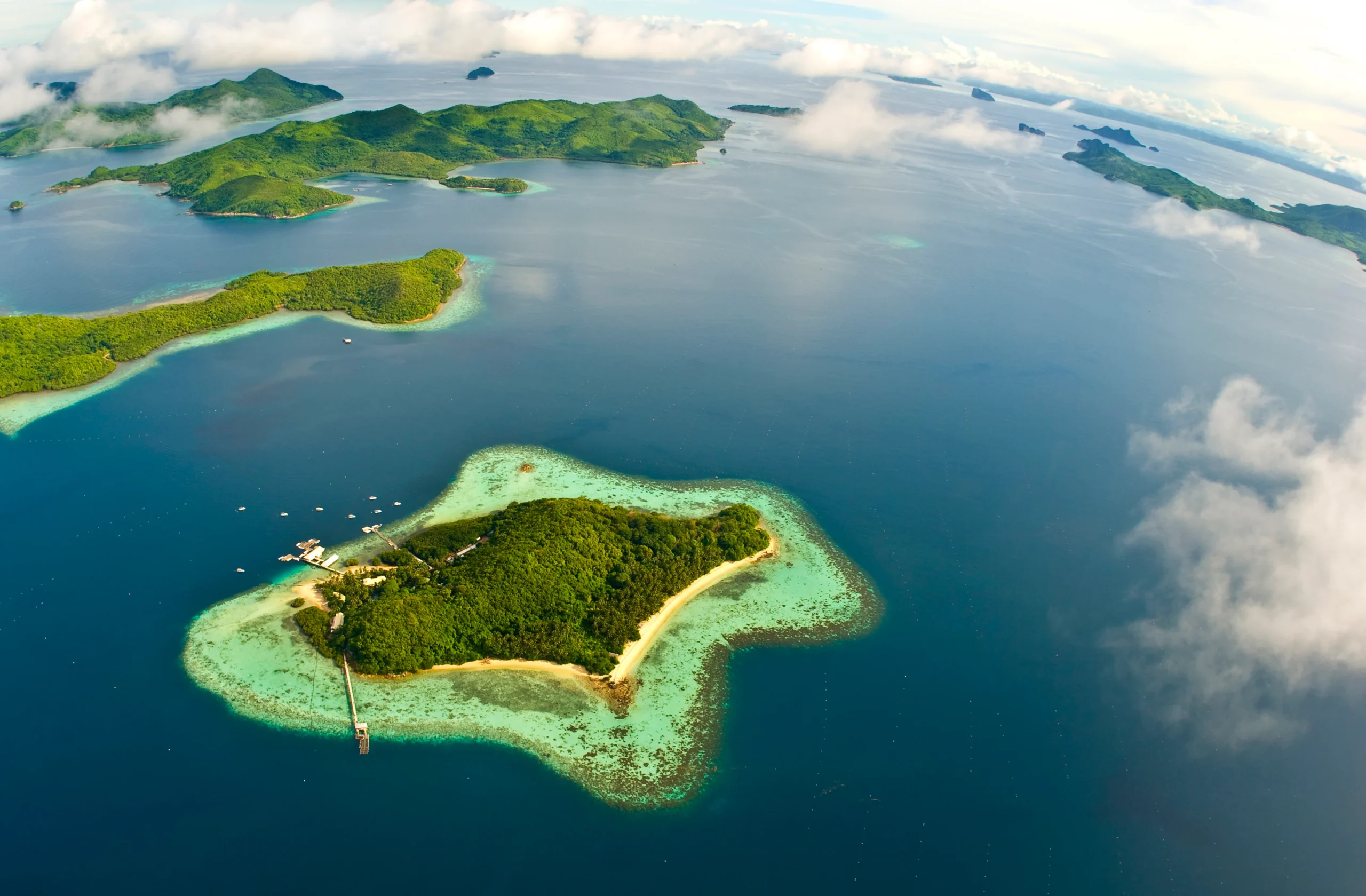
Pearl farm photo courtesy of Jewelmer.
Frequently Asked Questions
To move away from depleting natural resources, substitute wild oyster collection with in-house hatcheries. Jewelmer’s model breeds Pinctada maxima oysters in controlled environments rather than extracting them from the wild. This "ingredient" ensures a circular ecosystem where the pearl farm acts as a bio-generator, improving marine biodiversity and supporting the growth of surrounding coral reefs instead of exhausting them.
The secret is maintaining ultra-high water quality over a long-term duration. Because the gold-lipped oyster is an "indicator species," it is highly sensitive to pollution; any drop in water quality will compromise the pearl. The "recipe" for a perfect gem requires the oyster to stay in the water for two to four years, during which it filters billions of liters of water, essentially turning the farm into a massive, natural filtration system for the planet.
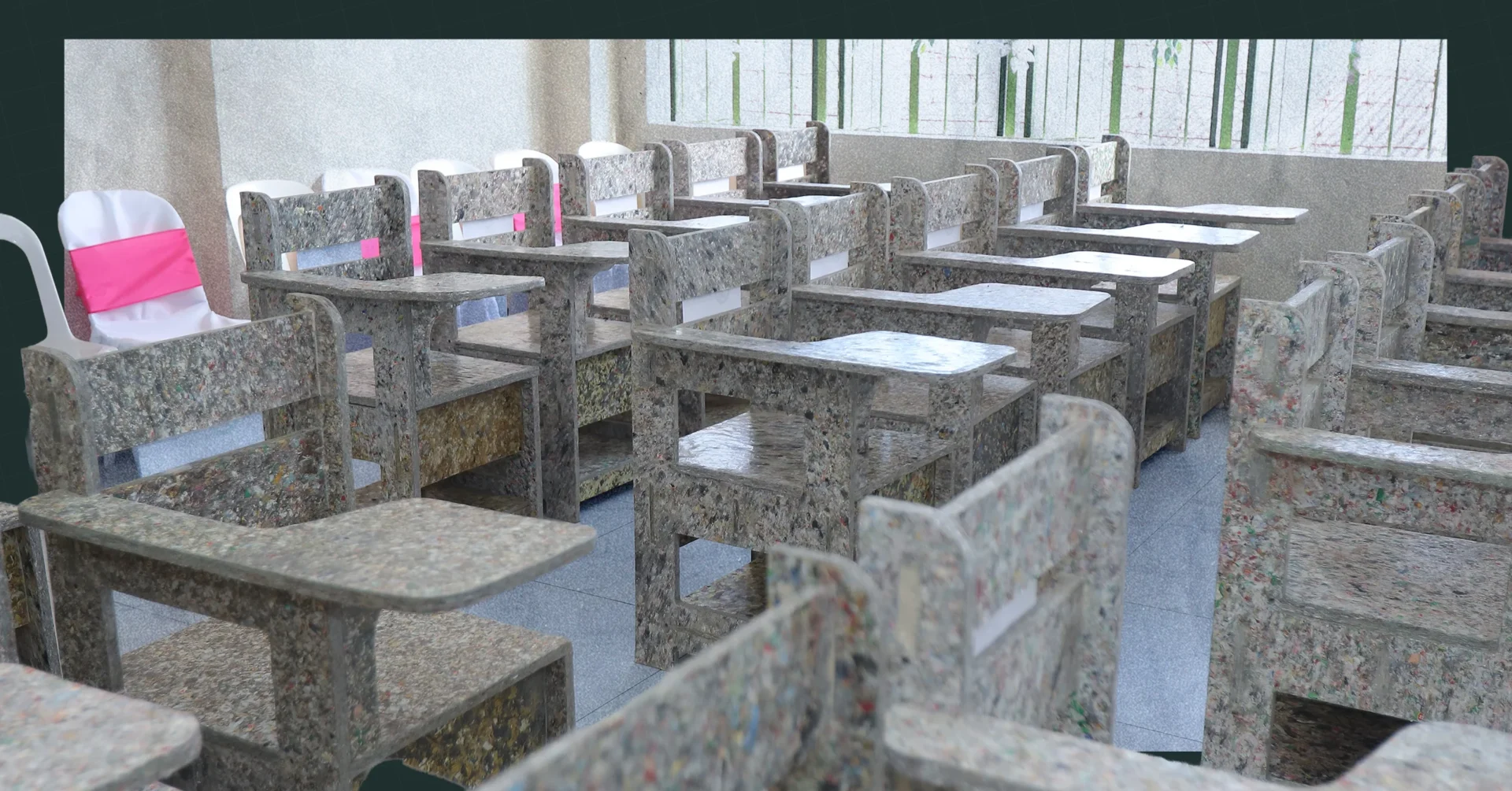
A frequent mistake is viewing operational byproducts, like used oil or old buoys, as trash. To fix this, implement a material repurposing strategy: Jewelmer recycles 90% of its farm construction materials into Polyboard and filters used engine oil to be repurposed into tarmac for roads. Avoid the "linear" waste model; instead, "mesh" your industrial needs with recycling centers to turn waste back into functional resources.
"Store" your community's loyalty by providing regenerative livelihoods through organizations like the Save Palawan Seas Foundation. By funding coral fragment planting, mangrove restoration, and local income projects, you ensure that the people living near your resources have a financial incentive to protect them. This creates a "social shield" around your environment, as the community's survival becomes linked to the health of the sea.
The core ingredients are technical expertise, environmental stewardship, and emotional storytelling. As a "Maison," the brand must combine the heritage of pearl farming with active marine conservation. By training employees to share the "journey of the pearl," you foster a deep emotional connection with clients, making the jewelry not just a product, but a symbol of the planet’s health and the brand's long-term legacy of care.
More From Features