Brand Building April 30, 2026
Bookmark feature is for subscribers only. Subscribe Now to save your favorites.

Why ‘The Devil Wears Prada 2’ Could Bring Audiences Back to Cinemas

FacebookXEmailCopy Link
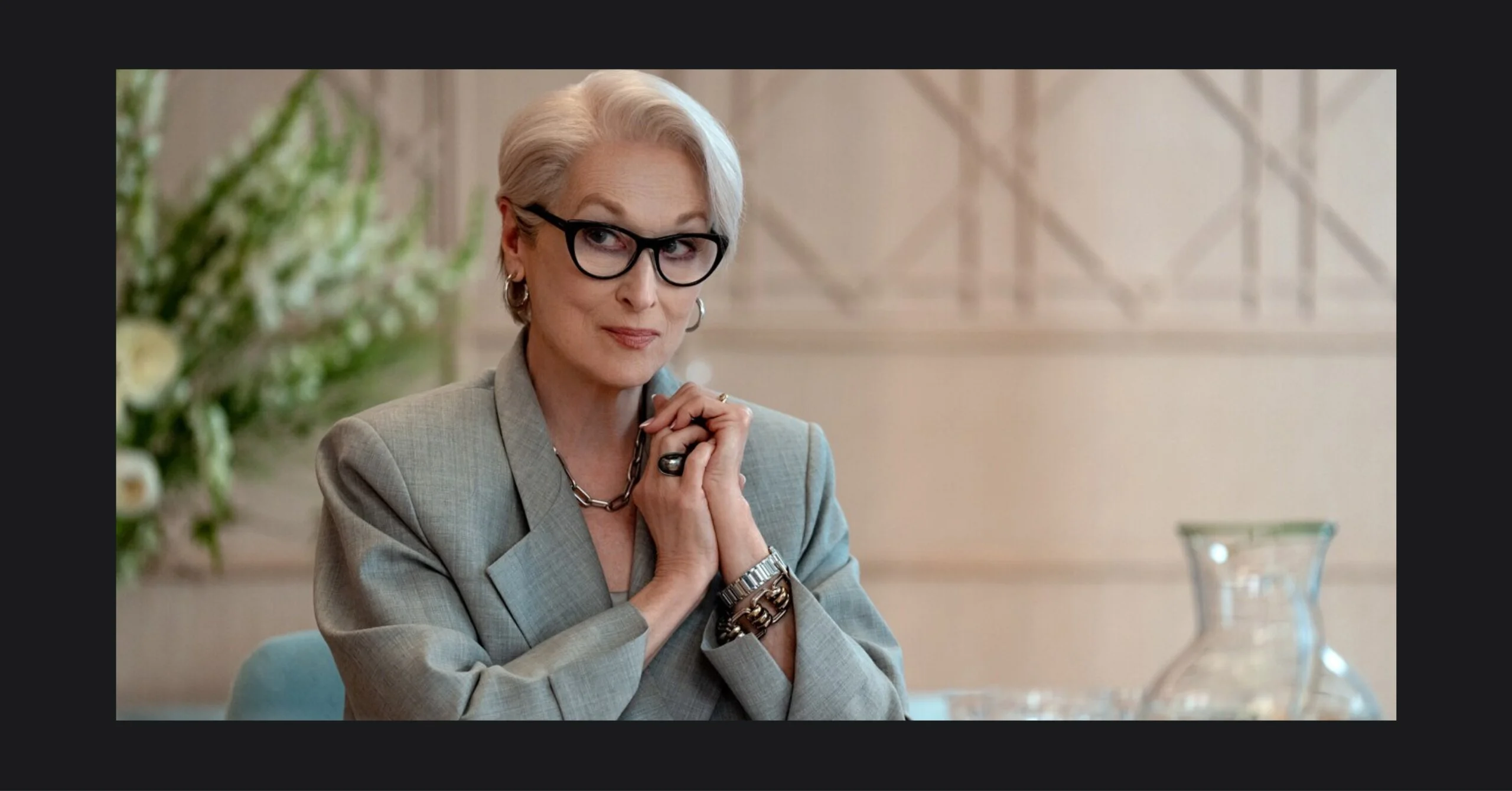
The Devil Wears Prada 2 is more than a nostalgic comeback. It is a business case on how cultural memory, strong intellectual property, and shared experiences can revive cinema attendance. Photo courtesy of 20th Century Studios.

The sequel to the 2006 fashion film is more than a nostalgic comeback. It is a business case on how cultural memory, strong intellectual property, and shared experiences can revive cinema attendance.

Nearly two decades after Miranda Priestly became one of cinema’s most recognizable portraits of power, The Devil Wears Prada 2 arrives with a bigger role than simply continuing a beloved story. It enters a movie industry still trying to answer one urgent question: what will convince people to return to cinemas?

The answer may not be spectacle alone. It may be cultural relevance.

According to 20th Century Studios, The Devil Wears Prada 2 brings back Meryl Streep, Anne Hathaway, Emily Blunt, and Stanley Tucci as Miranda, Andy, Emily, and Nigel. The sequel also reunites director David Frankel and writer Aline Brosh McKenna, while introducing new cast members including Kenneth Branagh, Simone Ashley, Justin Theroux, Lucy Liu, Pauline Chalamet, B.J. Novak, and Conrad Ricamora. The film opened in the Philippines on April 29, 2026.

For cinemas, this matters. The Devil Wears Prada 2 is not just another sequel. It is a reminder that audiences still show up when a film feels like a shared cultural moment.

Why The Devil Wears Prada 2 Feels Like an Event

The modern moviegoer has changed. Streaming platforms have made entertainment more accessible, private, and convenient. Viewers can now wait for films to arrive at home, where they can pause, multitask, and watch alone.

That convenience has made cinemas work harder.

For a theatrical release to matter today, it must offer something beyond content. It must offer occasion. The Devil Wears Prada 2 has that advantage because the original film was never only about fashion. It was about ambition, pressure, taste, hierarchy, and the emotional cost of wanting to succeed.

Miranda Priestly became shorthand for authority. Andy Sachs became the image of a young professional trying to prove herself. Emily Charlton became a symbol of loyalty, sacrifice, and survival inside a demanding workplace. Nigel became the mentor who understood both the glamour and the pain of creative industries.

These characters are not simply remembered. They are quoted, referenced, imitated, and reinterpreted. That is what gives the sequel its commercial strength. People are not only watching a film. They are returning to a world they already understand.

The Cinema Comeback Needs Cultural Urgency

Cinema recovery is happening, but it remains uneven. Gower Street Analytics projected the 2026 global box office at $34.7 billion, which would represent growth from 2025 and a stronger increase from 2024. However, the same forecast still places 2026 behind the average of the last three pre-pandemic years, showing that theatrical recovery remains a work in progress. 

This makes films like The Devil Wears Prada 2 important.

The movie has several factors that can drive audiences back to cinemas: nostalgia, fashion, a recognizable cast, social media relevance, and a multigenerational audience. Those who watched the original in 2006 now return with memory. Younger viewers come in through memes, streaming discovery, fashion references, and the lasting influence of the original film.

That mix is valuable because cinemas are no longer competing only with other films. They are competing with every form of attention: mobile phones, social media, short-form video, gaming, and on-demand entertainment.

To win, a movie must become something people feel they should experience early, publicly, and with others.

The Story Behind Lauren Weisberger, the Author of The Devil Wears Prada

The origin of The Devil Wears Prada is also a lesson in how personal experience can become powerful intellectual property.

Lauren Weisberger, the author of the 2003 novel, worked as assistant to Vogue editor-in-chief Anna Wintour after returning to the United States and moving to Manhattan. On her official biography, Weisberger shares that she later moved to Departures magazine, where she wrote short reviews during the day and attended writing classes at night. The Devil Wears Prada was published in April 2003, spent a year on The New York Times Bestseller List, was sold in 34 foreign countries, and was later adapted into the film starring Meryl Streep and Anne Hathaway.  

This is where the business lesson becomes clear.

This content is available to our subscribers. Join our community to access premium content and elevate your business knowledge.

Already a subscriber? Login
OR
ANNUAL
1,000
per year
SEMI-ANNUAL
500
per six months
QUARTERLY
250
per three months
MONTHLY
100
per month

Frequently Asked Questions

The Devil Wears Prada 2 officially opened in Philippine cinemas on April 29, 2026. This highly anticipated theatrical release marks the return of the original cast to the big screen nearly two decades after the first film. It serves as a major cultural event designed to drive audiences back to physical theaters through shared experience and nostalgia.

The film focuses on creating a "cultural moment" that social media and streaming cannot replicate alone. By leveraging strong intellectual property and a recognizable cast, the sequel offers an "occasion-based" experience. It encourages group viewings and public conversations, making the theatrical experience feel necessary and social rather than just a private, convenient activity at home.

The sequel reunites original stars Meryl Streep, Anne Hathaway, Emily Blunt, and Stanley Tucci. To keep the story fresh for new generations, the production added several high-profile actors, including Kenneth Branagh, Simone Ashley, and Lucy Liu. This mix of legacy talent and modern stars ensures the film appeals to both nostalgic fans and younger viewers.

The primary lesson is that nostalgia must be paired with modern relevance to be commercially durable. The franchise proves that intellectual property becomes more valuable when it creates emotional ownership by reflecting universal themes like ambition and power. Businesses can see that consumers aren't just buying a ticket; they are buying into a shared identity and cultural conversation.

The film transcends traditional viewing by inspiring fashion-led screenings and brand partnerships that encourage audience participation. Because the original film is heavily quoted and mimicked online, the sequel acts as a catalyst for social media engagement. This transforms the movie from a static product into a lived experience that people want to enjoy publicly with others.
More From Brand Building

Brand Building

Lacoste Updates Visual Identity to Celebrate Brand Heritage

Brand Building

How Spotify’s Disco Ball Logo Became a Viral Branding Moment

Brand Building

The Discount Trap: Customer Retention Challenges in a Deal-Driven Market

Brand Building

Why Meaning and Community Drive Loyalty and Long-Term Brand Growth

Learn straight from the top CEOs and business leaders. Access exclusive articles and videos.

Subscribe Now