May 21, 2026
Bookmark feature is for subscribers only. Subscribe Now to save your favorites.

How Spotify’s Disco Ball Logo Became a Viral Branding Moment

FacebookXEmailCopy Link
Spotify leverages social media backlash over its temporary 20th-anniversary logo into a viral marketing moment.

Spotify leverages social media backlash over its temporary 20th-anniversary logo into a viral marketing moment.

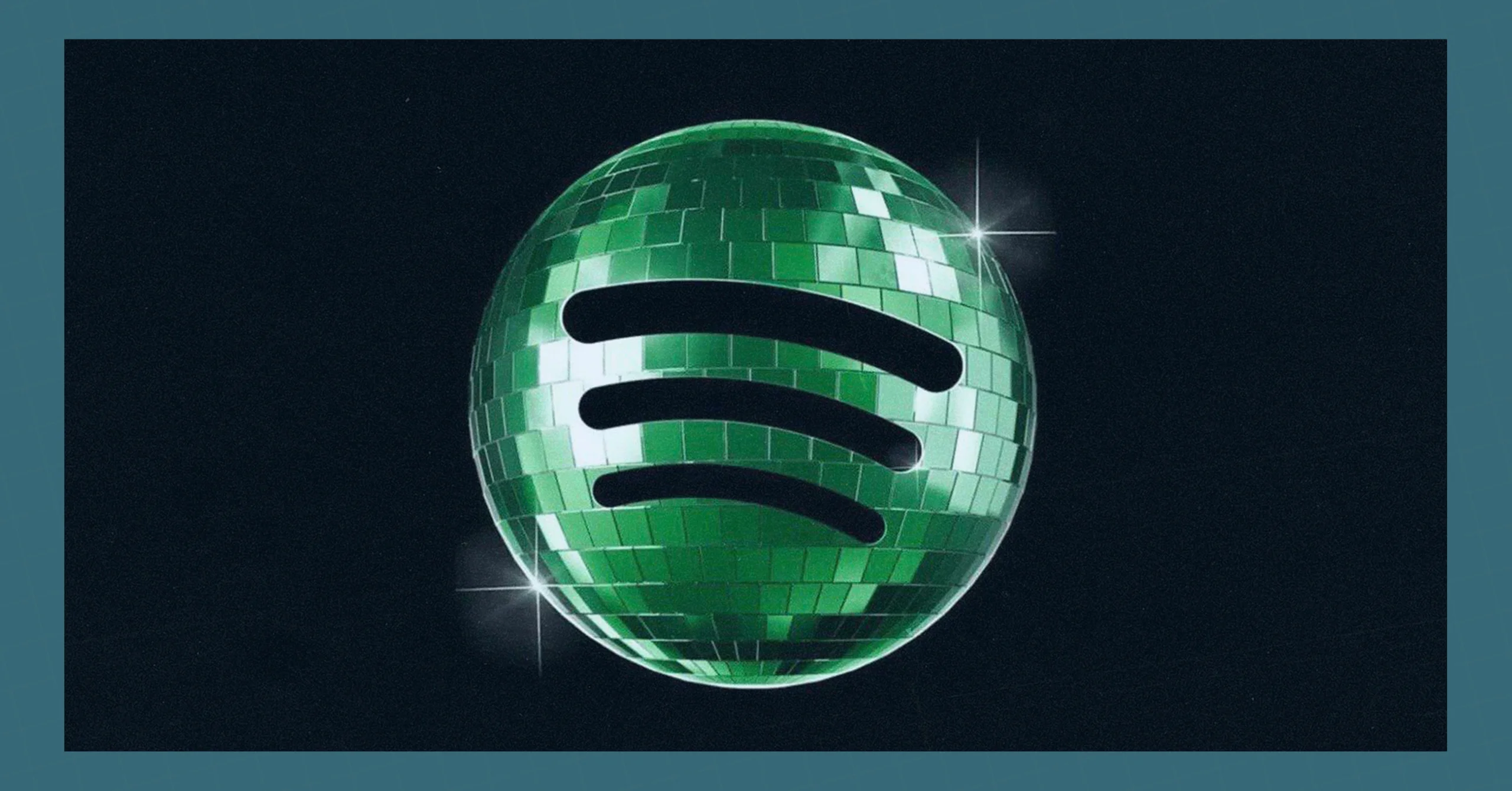
The Sweden-born audio-video streaming platform Spotify will lay to rest the infamous disco ball-esque iteration of its green logo.

The green disco ball logo was rolled out earlier in May to celebrate the streamer’s 20th anniversary.

Also marking the occasion was the limited-time feature, “Spotify 20: Your Year of the Year(s),” an immersive experience in which users can look back on their entire listening history on Spotify. The new feature—with its detailed analysis and the nostalgia that comes with scrolling through years of listening to remixes and singles—did not get as much attention as the anniversary logo.

Netizens chimed in with their negative reviews when the news spread online.

“That ain’t it, go back,” a user said about the logo redesign on X.

Some people defended the new logo, with a few suggesting on social media that users who like the disco ball version keep it as the Spotify app icon on their phone.

Spotify finally made its thoughts known by commenting on an X account reporting on the logo change with this short message:

“Alright, we know glitter is not for everyone. Our temp glow up ends soon. Your regularly scheduled Spotify icon returns next week.”

Tech brands have become “so obsessed” with being recognizable they forget to be memorable, said Andrew Tindall, an advertising industry expert and chief growth officer at System1 Group, a market research and brand strategy consultancy headquartered in London.

“Spotify’s disco ball is the opposite instinct,” he said in a May 18 post in The Drum. “It says the brand can move, dress up, join the occasion, put on a show and make you feel something.”

In a world where brands are vying for their place in the digital sun by chasing TikTok fads and posting videos as if they were going out of style, Spotify managed to cut through the competition with a mirrorball.

Spotify Didn't Chase a Trend - They Became the Trend

During the height of the branding discourse, several brands like Notion and KitKat spoofed the Spotify debacle by disco-fying their own logos. Netizens also made unofficial mock-ups of other company logos like Claude and Duolingo, which they then posted online.

This content is available to our subscribers. Join our community to access premium content and elevate your business knowledge.

Already a subscriber? Login
OR
ANNUAL
1,000
per year
SEMI-ANNUAL
500
per six months
QUARTERLY
250
per three months
MONTHLY
100
per month

Frequently Asked Questions

Spotify rolled out a temporary disco ball-inspired green logo in May 2026 to celebrate its 20th anniversary. The redesign was planned as a limited-time update, coinciding with the launch of "Spotify 20: Your Year of the Year(s)," an immersive feature letting users revisit their full listening history.

The company reverted the disco ball logo due to widespread negative reactions from users online. It acknowledged the backlash in a post on X, stating the "temp glow up ends soon" and that the original icon would return the following week — confirming the change was always temporary.

Spotify's logo backlash generated millions of views, widespread media coverage, and organic brand participation from companies like Notion and KitKat, who spoofed the disco ball design.

The strategy relies on balancing cognitive familiarity with an emotional hook. As System1 Group's Andrew Tindall summarizes the formula: “Keep enough of the asset for recognition. Change enough of it for emotion.”

Digital advertising spend is projected to exceed $850 billion in 2026, according to e-commerce software platform Oberlo. Social media advertising alone is expected to surpass $317 billion in the same year, according to statistics platform Statista, reflecting the financial shift toward online marketing.

Mikael Borres

Mikael Borres

Writer

Mikael Borres is a writer for The Business Manual, authoring articles about Philippine small businesses, economics and finance. His work with the publication has a strong focus on uplifting Philippine micro, small, and medium enterprises (MSMEs) with fundamental business lessons and leadership insights.

Mikael has written pieces on evolving business trends and technology, as well as articles on branding and human resources. He also writes people-centred feature articles highlighting the work and stories of Filipino entrepreneurs and executives. He also covers events for the The Business Manual, highlighting developments in the Philippine business scene.

Mikael graduated from the University of San Carlos with a Bachelor of Arts in Political Science, majoring in International Relations and Foreign Service (IRFS).

Learn straight from the top CEOs and business leaders. Access exclusive articles and videos.

Subscribe Now