$7 Billion Private Investment Increase Expected from New World Bank Energy Loan


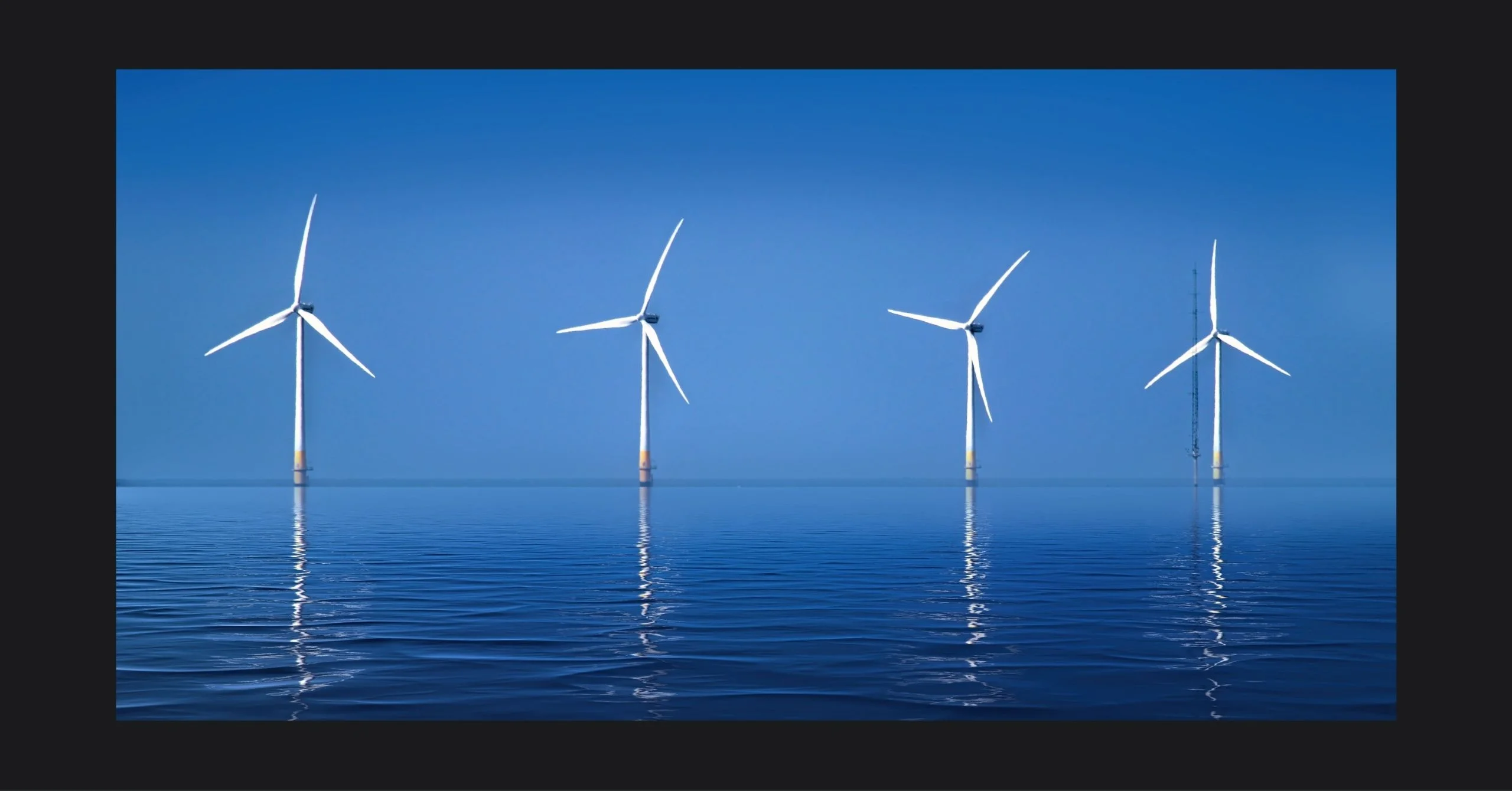
The World Bank Group approved a $1.02 billion loan to help the Philippines strengthen water security and expand energy access, which is expected to unlock about $7 billion in private sector investment.
The World Bank on June 25 said it approved the Second Energy Transition and Climate Resilience Development Policy Loan (DPL), a $1.02 billion loan to help the Philippines strengthen water security and expand energy access.
The DPL consists of a $1 billion loan from the International Bank for Reconstruction and Development and a $20 million performance-based grant from the Livable Planet Fund.
This is expected to unlock around $7 billion in private investment.
“The Philippines has everything it needs to power itself at lower cost— wind along its coasts, sunlight year-round, and geothermal energy beneath its soil,” said Zafer Mustafaoğlu, World Bank Division Director for the Philippines, Malaysia, and Brunei.
The Philippines’ residential power prices are the highest in the region, as reported in the news. Only Singapore comes close, although its citizens’ average purchasing power is about 13 times higher.
The package will turn these advantages into “reliable, affordable energy for Filipino families and businesses,” Mustafaoğlu said in the June 25 press statement.
“At a time when global energy markets are deeply volatile, this DPL helps the Philippines take control of its own energy future, support growth, and create jobs,” he added.
The financing will focus on:
- the launch of the Renewable Energy Market (a trading platform where companies trade renewable energy certificates to meet government sustainability quotas),
- the integration of electric vehicle charging systems into utility grid planning, and
- the launch of the country’s first offshore wind auction (a government-led process for awarding offshore wind development contracts), which targets 3.3 gigawatts of contracted capacity by 2030.
The World Bank expects the share of installed renewable energy capacity to go up 42% from 30% by 2027.
The Philippines’ own National Renewable Energy Program (NREP) 2020–2040 sets renewable energy targets of 35% by 2030 and 50% by 2040.
The DPL also aims to address challenges in the water sector by:
- supporting cost-recovery tariff frameworks (a unified financing structure that prioritizes poor and climate-vulnerable communities), and
- bulk water pricing regulations (or price caps on bulk water supply).
Through these, the government aims to increase tenfold – from 10 to 100 – the number of local water providers with sustainable business plans by 2027.
Frequently Asked Questions
The financing—officially called the Second Energy Transition and Climate Resilience Development Policy Loan (DPL)—aims to help the Philippines move away from costly, volatile energy sources toward more affordable, renewable alternatives. It also seeks to professionalize the water sector by providing the regulatory framework needed to make local water providers more sustainable and reliable.
No. The loan is a long-term strategic investment. By scaling up renewable energy, launching the Renewable Energy Market, and auctioning offshore wind sites, the government is creating a more competitive and stable energy supply. These reforms are intended to reduce the Philippines’ reliance on imported fossil fuels, which are the primary drivers of high electricity costs, over the coming years.
By providing a clear regulatory roadmap (like the offshore wind auctions and the Renewable Energy Market), the government is reducing the risk for private companies. When investors see a stable, government-backed framework, they are more willing to pour capital into the Philippines. The World Bank loan “de-risks” the market, making it more attractive for private players to fund and build large-scale energy projects.
Offshore wind auctions are a government-led process to award contracts for wind farms built at sea. They are critical because they use a transparent bidding system to determine which developers can provide power at the lowest cost. This competitive process helps prevent price gouging and ensures that the country hits its target of 3.3 gigawatts of wind capacity by 2030.
Many local government units struggle to provide water because they lack sustainable business models. This loan supports cost-recovery tariff frameworks and bulk water pricing regulations, with the target to increase the number of financially viable, sustainable local water providers tenfold—from 10 to 100—by 2027.