World Bank Trims Philippines 2026 GDP Growth Forecast to 3.7% Amid Global Slowdown


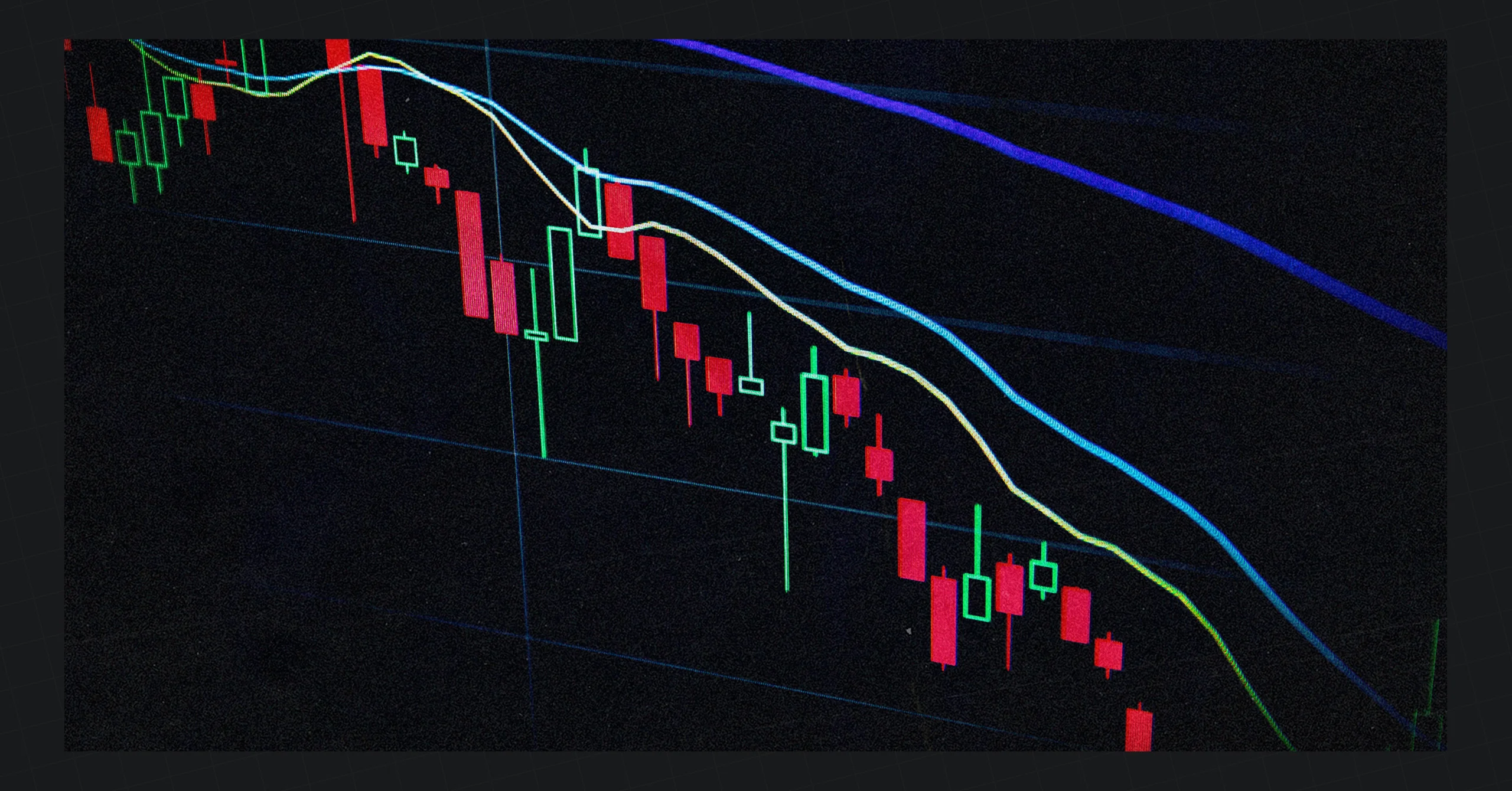
The World Bank Group has lowered the Philippines’ 2026 GDP growth to 3.7% from the original 5.4% it had anticipated in January.
The World Bank Group, in its June 2026 “Global Economic Prospects” report, pegs the Philippines’ 2026 Gross Domestic Product (GDP) growth at 3.7%. This is a decrease from the 5.4% growth the Washington-based financial institution had anticipated for the country in January.
The broader global slowdown – projected at 2.5% for 2026 due to escalating Middle East conflicts – has led to local currency depreciation, equity market drops, and spiked local currency bond yields across net energy importers in Southeast Asia, with the report specifically mentioning the Philippines and Thailand.
The conflict has yielded a decline in the global outlook, with about two-thirds of economies worldwide facing weaker growth prospects.
“The impact differs by country, but the basic test is the same: protect people and preserve stability today, without giving up on growth and jobs tomorrow,” Ajay Banga, president of the World Bank Group, said in a June 11 press statement.
The Group is making up to $50 to $60 billion available as immediate support for developing countries as they confront crises, and can scale up its support to $80 to $100 billion over the next 15 months if the conflict and its economic fallout persist.
Commodity prices are expected to rise by 22% in 2026 overall, in contrast to the 7% decline expected in January. This reflects a baseline assumption that shipping through the Strait of Hormuz remains disrupted through July. The assumption also is that shipping resumes in spurts afterwards, with the World Bank Group expecting it to approach pre-conflict levels by the end of 2026.
An improved trade policy environment and buoyant AI-related investment provide countervailing support to global trade, however. This is due in part to a slight decline in U.S. tariffs following a U.S. Supreme Court ruling that struck down tariffs imposed on international economic emergency grounds, alongside trade liberalization efforts by other countries.
On June 6, President Ferdinand Marcos Jr. approved the 2026 Strategic Investment Priority Plan (SIPP) under Memorandum Order No. 47.
SIPP, which seeks to stimulate private sector growth, expands tax incentives and income tax holidays under Republic Act No. 11534 – or the Corporate Recovery and Tax Incentives for Enterprises (CREATE) Act – for tier-structured spaces. This includes EV manufacturing, renewable energy, artificial intelligence, cybersecurity, and green technology.
“The conflict has taken a toll on global activity, but every crisis also brings an opportunity,” said Ayhan Kose, the World Bank Group’s deputy chief economist and director of the Prospects Group, in the same press statement.
“This moment should be used to strengthen policy frameworks, invest in infrastructure, accelerate business-enabling reforms, and mobilize private capital to support job creation at scale.”
Frequently Asked Questions
The World Bank revised the Philippines’ 2026 GDP growth forecast from 5.4% to 3.7% in its June 2026 “Global Economic Prospects” report, citing the economic fallout from escalating Middle East conflicts, which have triggered local currency depreciation, equity market drops, and higher bond yields across Southeast Asia.
The Middle East conflict has driven global commodity prices up by an estimated 22% in 2026, disrupting shipping through the Strait of Hormuz and pressuring net energy importers in Southeast Asia. For the Philippines, this translates into currency depreciation, equity market weakness, and spiked local currency bond yields.
The World Bank projects global GDP growth at 2.5% for 2026, with roughly two-thirds of economies worldwide facing weaker growth prospects. This reflects the cumulative impact of Middle East conflict escalation, commodity price pressures, and ongoing supply chain disruptions affecting developing nations.
The 2026 SIPP, approved by President Ferdinand Marcos Jr. on June 6 under Memorandum Order No. 47, expands tax incentives and income tax holidays under the CREATE Act for EV manufacturing, renewable energy, artificial intelligence, cybersecurity, and green technology — sectors prioritized to stimulate private sector investment.
The World Bank Group has made $50 to $60 billion available in immediate support for developing countries and can scale this to $80 to $100 billion over 15 months if conflict-driven economic fallout persists. Support is aimed at protecting livelihoods and preserving economic stability without sacrificing long-term growth.