Features April 29, 2026
Bookmark feature is for subscribers only. Subscribe Now to save your favorites.

Why You Need to Keep a Close Look at Diesel Prices

FacebookXEmailCopy Link
Bank of the Philippine Islands economist Jun Neri says fuel costs dictate inflation and consumer spending trends.

Bank of the Philippine Islands economist Jun Neri says fuel costs dictate inflation and consumer spending trends.

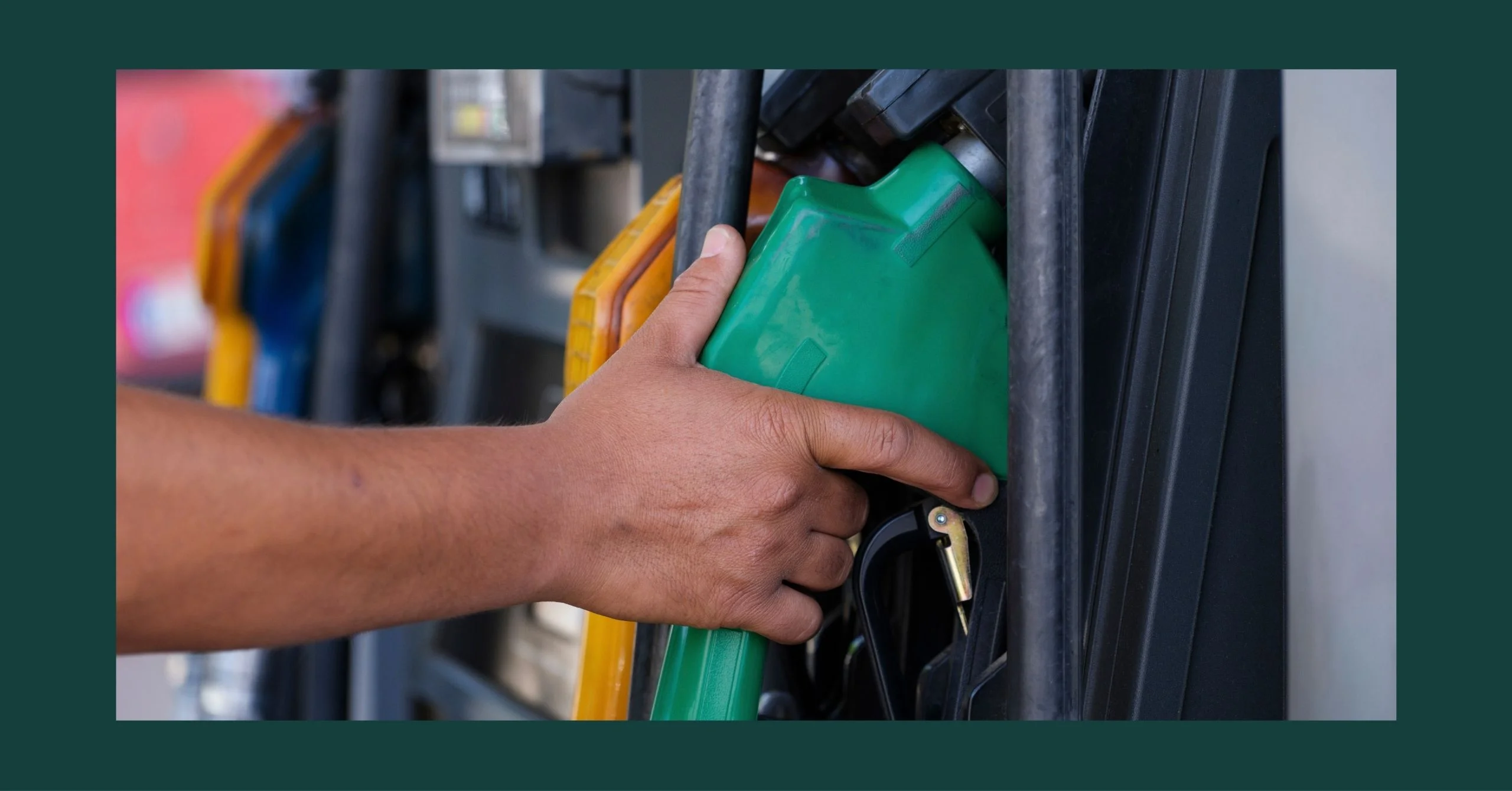
Diesel pump prices can be used as a “proxy indicator” of how the Philippine economy will fare in the coming months amid the ongoing conflict in the Middle East, according to Bank of the Philippine Islands (BPI) Lead Economist Jun Neri.

“When diesel prices went up during the Russia-Ukraine crisis, you also saw fertilizer go up and many other commodities because of that,” he said at Kickstart Venture’s Kick The Fridge event on April 23.

The average diesel pump price stood at P92.20 per liter as of the week of April 28, GasWatch PH said. The industry-wide adjustments effective 6 AM on April 28 are as follows: diesel rolled back P12.94 per liter, gasoline edged up P0.53 per liter, and kerosene dropped P15.71 per liter.

Neri laid out three possible trajectories for diesel prices based on BPI’s analysis, each depending on the outcome of the Middle East conflict: a ceasefire is negotiated, the conflict drags on but does not escalate, or the conflict drags on and escalates.

Should the first "optimistic" scenario occur, Neri estimates that diesel prices come down to P95 per liter. 

Diesel prices may rise to around P150 per liter in case the conflict drags on without a resolution.

The most severe possible scenario, based on BPI’s analysis, would see diesel prices climb to P200 per liter.

How Middle East Tensions Affect Philippine Commodity Prices

The region-wide crisis in the Middle East, triggered by the Israel-United States missile attacks on Iran, disrupted the global supply of oil and gas, increasing prices worldwide. 

Iran’s closure of the Strait of Hormuz, a key passageway for cargo ships, further deepened uncertainty on global access to oil and gas.

Southeast Asia felt the acute strain of the supply and price shock, with several countries in the region experiencing supply shortages and facing increased cost of raw materials, according to the Australian think tank Asia Link.

The Philippines is considering joint oil exploration with China, the think tank said, although reliance on major powers exposes the country’s energy security to the risk of geopolitical rivalries.

Philippine President Ferdinand Marcos Jr. declared a state of national energy emergency on March 24, ordering the implementation of energy conservation measures and support for national sectors affected by the crisis.

This content is available to our subscribers. Join our community to access premium content and elevate your business knowledge.

Already a subscriber? Login
OR
ANNUAL
1,000
per year
SEMI-ANNUAL
500
per six months
QUARTERLY
250
per three months
MONTHLY
100
per month

Frequently Asked Questions

Diesel prices are a critical metric because fuel costs dictate inflation trends and the pricing of essential commodities like fertilizer and food. As a primary driver of logistics and production costs, diesel fluctuations serve as an early warning system for upcoming shifts in consumer spending and overall economic performance. Monitoring these prices allows MSME owners to anticipate market stability and adjust their financial forecasts based on global supply chain health.

Economists outline three potential scenarios: an optimistic ceasefire bringing prices to P95 per liter, a persistent conflict raising prices to P150, and a severe escalation potentially hitting P200. These projections depend heavily on geopolitical stability and the accessibility of key maritime trade routes like the Strait of Hormuz. For businesses, these estimates highlight the necessity of preparing for extreme volatility and high operational costs in the event of further regional disruption.

Persistent fuel price hikes contribute to higher inflation, which recently rose to 4.1%, leading economists to lower the 2026 GDP growth projection from 4% down to 2.8%. Increased costs for goods and services strain consumer pockets, slowing down economic momentum and reducing the effectiveness of government infrastructure spending. Understanding this link helps business owners recognize why broader economic growth may decelerate during periods of high energy insecurity and regional tension.

Panic stocking occurs when retailers, such as sari-sari store owners, drastically increase their inventory purchases to hedge against anticipated price hikes and supply disruptions. Data shows that Gross Merchandise Value (GMV) surged by 90% in early 2026 as owners grew their average basket sizes to secure essential goods before costs escalated further. While this strategy protects individual store margins, it signals widespread economic anxiety and potential double-digit inflation if global supply issues remain unresolved.

Shifting government funding from public infrastructure to education and human capital is historically linked to faster and more sustainable economic performance in the Philippines. This reprioritization aims to strengthen the economy from the ground up by investing in health and skills rather than just physical works, which can sometimes slow growth. For entrepreneurs, this shift suggests a long-term economic strategy focused on building a more resilient and productive workforce to counteract immediate external shocks.

More From Features
Features

Upcycled Plastic Infrastructure Turns Waste Into Environmental Education

Features

2026 Tambuli Awards Complete List of Winners

Features

How Posh Skin Co. Turned Pimple Patches Into a Self-Expression Movement Among Young Filipinos

Features

How Philippine Businesses Are Embedding Sustainability Into Their Growth Strategies

Learn straight from the top CEOs and business leaders. Access exclusive articles and videos.

Subscribe Now