The Matriarchs Behind the Embroidery Capital of the Philippines


Frequently Asked Questions
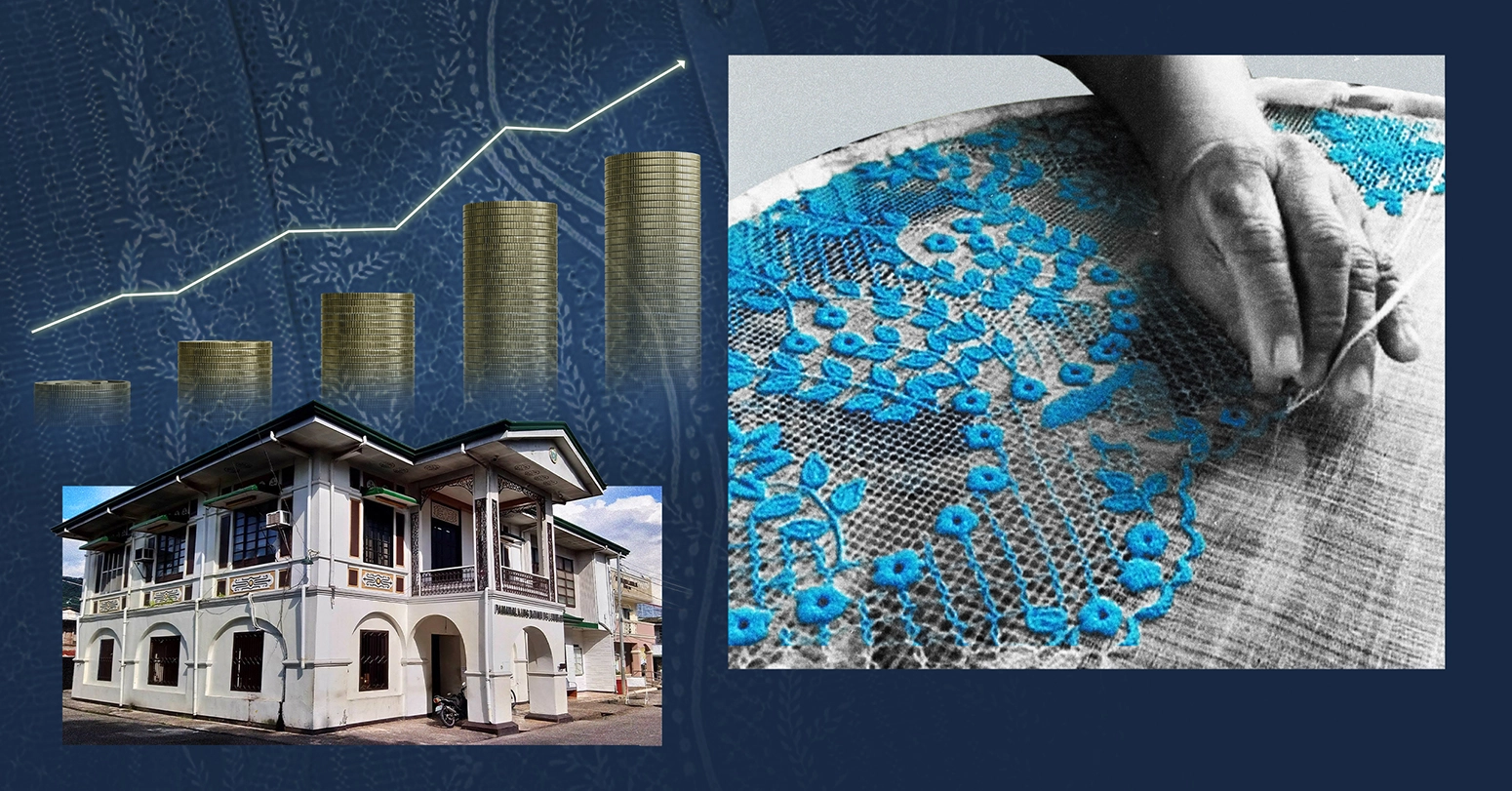
Long before formal entrepreneurship was popularized, Lumban’s matriarchs built businesses out of the basic need to support their families. These enterprises often started at kitchen tables, with women tracing patterns late at night after household duties. What began as a survival skill eventually evolved into a structured livelihood that forms the backbone of the town's economy.
Leadership in these workshops is characterized by patience, discipline, and a focus on relationships rather than formal titles. These women organize artisan groups, ensure quality through firm expectations, and build long-term trust with buyers. Their leadership style is quiet but influential, teaching younger generations through humility and a consistent commitment to the craft.
Unlike modern startups that chase rapid scaling, Lumban’s matriarchs favor a slow, resilient growth model. They prioritize strengthening their foundation by reinvesting earnings into materials and refining skills through repetition. This patient approach has allowed their businesses to remain stable and navigate changing economic times while protecting the integrity of the heritage craft.
To remain relevant, many matriarchs are experimenting with new patterns to appeal to younger clients and engaging in collaborations within modern fashion spaces. Digital platforms have also allowed these businesses to reach customers far beyond the town's borders. These adaptations ensure that while the tools change, the guiding philosophy of quality and tradition remains intact.
The most significant challenge is ensuring the next generation continues the work, as many younger people are drawn to career paths with faster financial returns. For the matriarchs, succession is not just about income but about preserving the town's identity. The goal is to prove that heritage craftsmanship still holds value and relevance in a modern, fast-paced economy.
More From Leadership Lessons