Employers Adopt Earned Wage Access to Boost Financial Security


Providing access to wages before payday builds workforce stability and reduces employee turnover.
Small business owners know that when staff worry about money, productivity drops. Offering flexible payroll tools is a way to addresses this concern.
Financial wellness platform Paywatch accelerates its adoption of Earned Wage Access (EWA) in the Philippines to help Filipino employers boost staff retention and productivity.
How Earned Wage Access Benefits Philippine Businesses
Earned Wage Access is a solution that allows employees to access their already earned income, bridging the gap between pay cycles and everyday financial needs.
It is at no cost to employers.
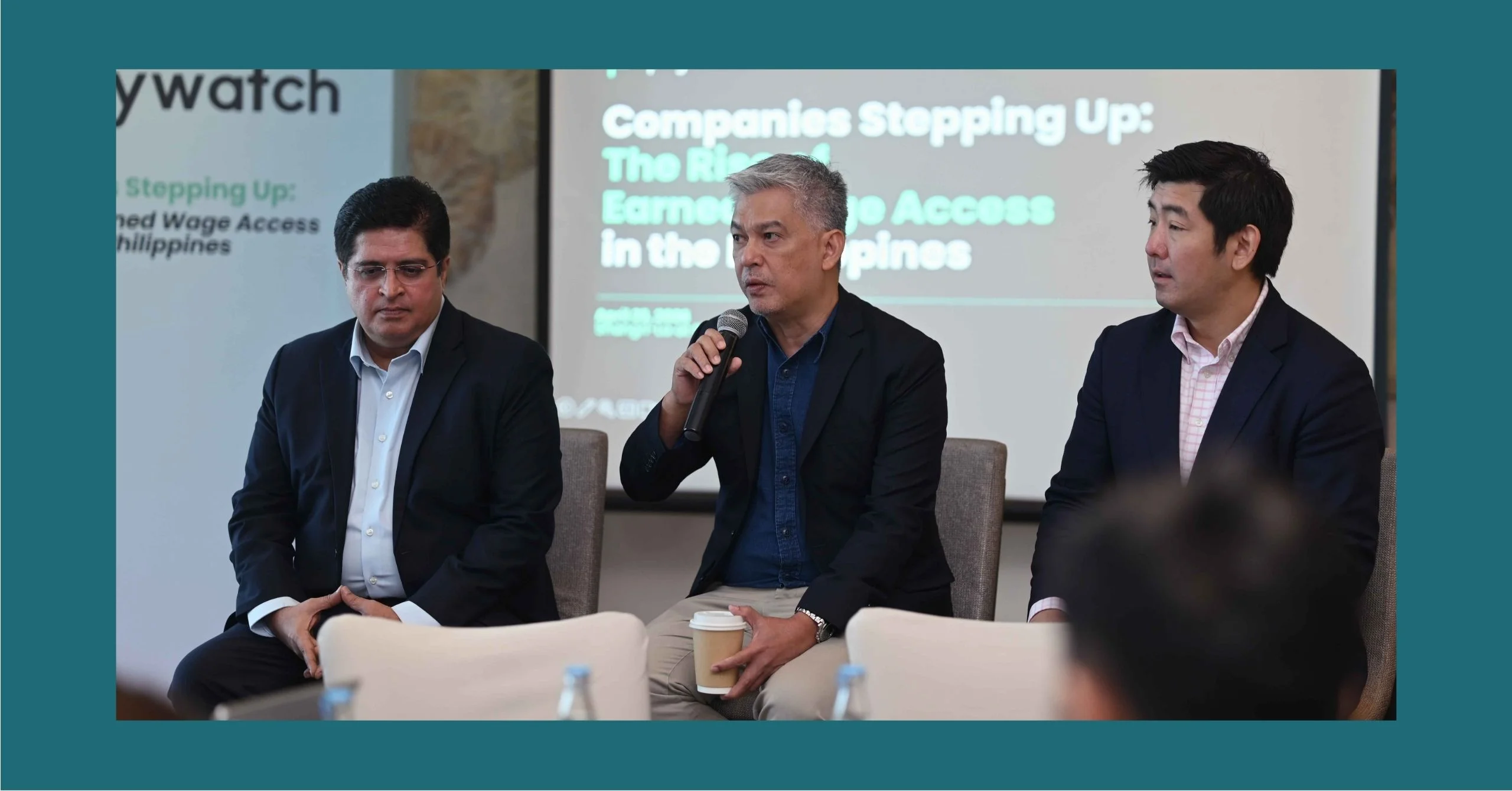
“Organizations are already recognizing the importance to employees of providing debt-free and timely access to earnings and its impact on their financial security and overall well-being,” said Rowell del Fierro, country manager of Paywatch Philippines, in an April 24 press release. “They know this translates to employee engagement level and productivity.”
Why Workers Rely on Pay Tools for Daily Expenses
The employer-sponsored earned wage access market size will grow to $5.9 billion in 2026 from $4.53 billion in 2025 at a compound annual growth rate of 30.3%. The growth, according to the Earned Wage Access Market Global Report 2026 by Research and Markets, can be attributed to increasing employee financial stress, rise of fintech payroll solutions, growing demand for workplace benefits, early adoption by large employers, and shift towards digital wage systems.
Data from the Bangko Sentral ng Pilipinas show that while 50% of Filipino adults have financial accounts and 85% of households have access to them, only three in ten say their savings would withstand a financial shock.
About a third (32%) of loans are used for food and basic needs.
For business owners, this means a significant portion of your workforce is borrowing money just to eat, leading to stress that bleeds into their work performance.
Data Shows Wage Access Reduces Household Debt
EWA is used as a financial management tool rather than a one-off benefit, per data from Paywatch.
Among the platform’s Philippine users, 78% say it helps them better manage expenses, 45% report a reduction in household debt, and 34% see an increase in savings.
The most common use cases – daily expenses, emergencies, essential needs, and school fees – mirror national borrowing patterns.
Retaining top talent in Southeast Asia now requires proactive salary solutions.
“Across Southeast Asia, financial wellness is moving from a peripheral benefit to a core part of how companies support and retain talent,” said Alex Kim, president and co-founder of Paywatch, in the same press statement.
“Earned Wage Access may be the entry point,” he said, “but the real opportunity lies in building a more comprehensive ecosystem that gives employees greater control and confidence in managing their finances.”
This content was produced in collaboration with Paywatch. Our Partner Content features help us advance our mission to provide relevant stories, expert insights, and business intelligence that empower Filipino entrepreneurs. The Business Manual oversees partnership standards.
Frequently Asked Questions
Unlike high-interest payday loans, EWA allows employees to access income they have already earned before the official payday without incurring debt. It serves as a liquidity tool that bridges the gap between pay cycles, helping workers cover daily expenses and emergencies using their own salary rather than borrowing from external lenders.
Employers can boost workforce stability and reduce turnover by providing a financial wellness benefit that costs the company nothing to implement. Data shows that when financial stress is reduced, employee engagement and productivity increase, making EWA a strategic tool for retaining top talent in a competitive Southeast Asian market.
According to data from Paywatch, EWA acts as a management tool that helps 45% of users reduce household debt and 34% increase their personal savings. By providing a debt-free way to handle immediate costs like school fees or essential needs, it prevents employees from falling into predatory lending cycles that can lead to long-term instability.
With only three in ten Filipinos able to withstand a financial shock and a large portion of loans being used for basic needs, traditional bi-monthly pay cycles often fall short of daily demands. The rise of fintech solutions addresses this by aligning wage availability with actual spending patterns, a trend expected to drive the global EWA market to $5.9 billion by 2026.
Yes, when small business owners offer flexible payroll tools, they directly address the financial anxiety that causes productivity to drop. By ensuring staff can afford food and basic needs without the stress of borrowing, businesses foster a more focused and alert workforce that is less distracted by personal financial crises.