Ferino’s Bibingka Scales Up Franchising and Global Exports


Systematizing operations, as in the case of legacy business Ferino’s Bibingka, guarantees that an enterprise thrives across generations.
I first met Ferino’s owners, Anne and Sonny Francisco, back in 2017, in a series of business networking events featuring franchise guru Butz Bartolome. They had come to Singapore to promote franchising in the Philippines and left me and others in attendance with a new fire to learn more about being an entrepreneur, even from afar.
Fast forward to 2026. Through her leadership roles in the PCCI-QC and the Philippine AI Business Association, Anne bridges the gap between heritage and innovation, as she funnels artificial intelligence and digitization tools back into Ferino’s operations to improve efficiency and ensure the brand remains competitive.
She is now also the chief operating officer of 1938 Francisco Food Specialities, Inc., the mother company of Ferino’s Bibingka.
How Systems Transform Hustle Into Business Strategy
Anne worked her way up the company and got certified in the food business, taking courses and certifications on restaurant concept and entrepreneurship, food science technology, food safety, and export management and international trade to improve her skills and understand the business.
“I started working in the business when our kids were still young, really to support my husband. Over time, that support grew into a more defined role in operations, where I could contribute through systems, structure, and continuous improvement," Anne said.
The husband-and-wife team started with no machines, no team, and limited capital.
“We have a good product, a legacy brand and goodwill from our customers, but we lacked the systems and processes. Through God’s providence and guidance, and with the help of mentors, the DOST, and support from fellow entrepreneurs we were able to slowly build together,” Anne said.
Sonny, her husband of 24 years, is the grandson of the original Ferino’s founders, Ceferino Francisco, Sr., his wife Cristina. It was the founders and their son, Alfredo Francisco Sr., together with his wife Noemi, who built the company from its small beginnings in Pritil, Tondo.
How Ferino's Bibingka Remains Relevant Across Generations
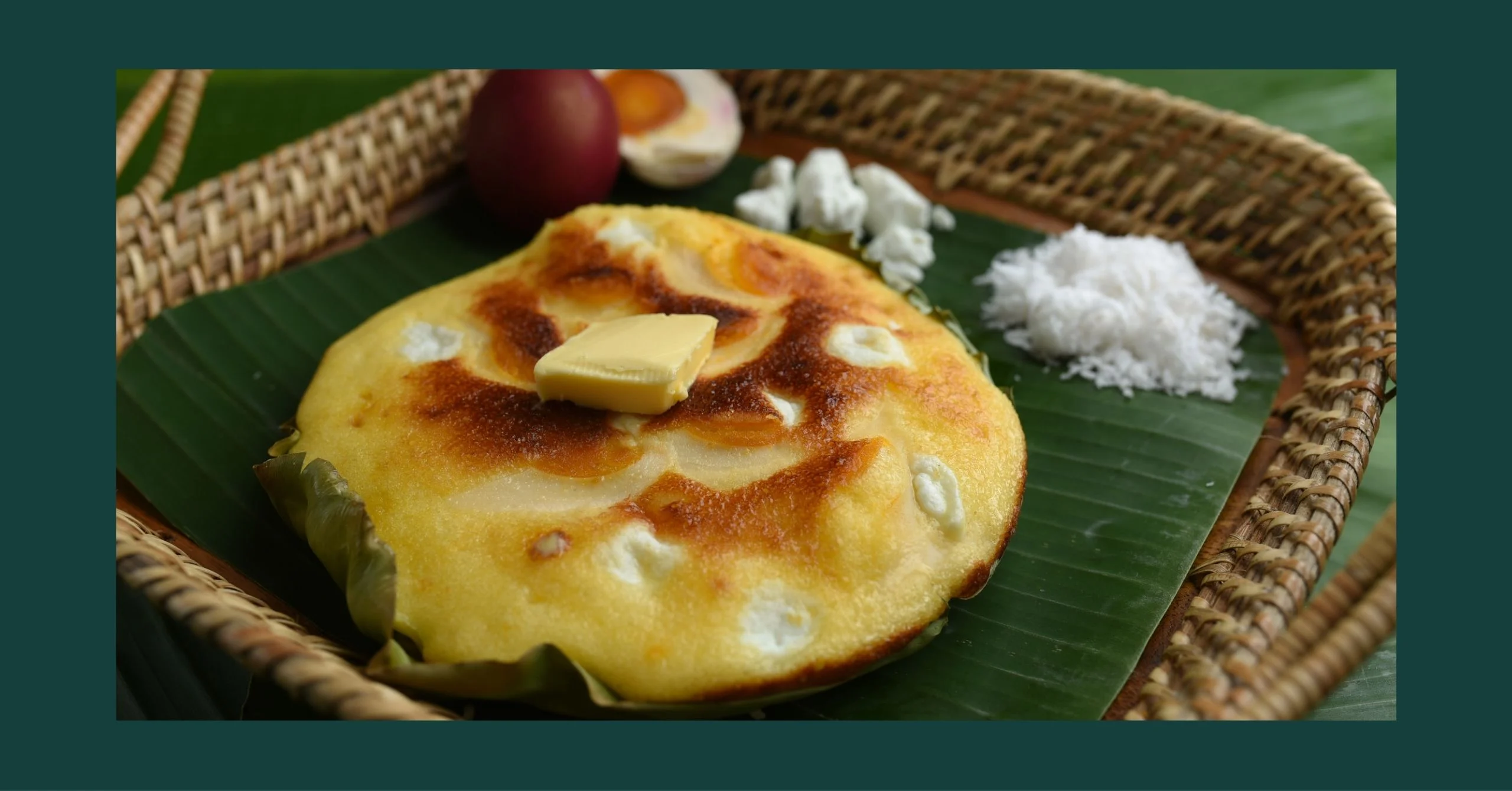
The brand is 87 years old and a noun in itself. Much like Colgate is toothpaste to Filipinos, so Ferino’s is to our bibingka. Can you smell the cheese and salted egg as you read this?
Ferino’s is an integral part and parcel of Filipino Christmas and family celebrations. The brand has seen the Philippine economy in all times - good and bad, tough, and tougher still, through several global crises and even COVID-19. The company's first location was in Manila Hotel in the late 1950s, and then afterwards in the now-defunct (but always a great memory for boomers and X-ers) FIESTA Carnival in Cubao.
That soft, pillowy, cheesy, piping hot rice cake has made many of the worst days better just by being served.
In Anne’s words, “What makes Ferino’s special is that it has remained relevant across generations while keeping its identity intact.”
Ferino’s has franchised nationwide, mostly in Luzon, and is recognized beyond our shores. The business shift has been subtle, “from survival to strategy."

Photo courtesy of Anne Francisco.
How Ferino's Export System Secures Quality Across Markets
Frequently Asked Questions
A strict franchise model ensures that a multi-generational legacy brand can scale nationwide and internationally without losing its core identity. By implementing standardized operational systems, the brand guarantees that the flavor, quality, and presentation of its iconic rice cakes remain identical across all branches. This structural consistency protects the goodwill built over nearly nine decades, transforming a family-run heritage business into a highly scalable, reliable corporate asset.
An export infrastructure allows traditional, perishable food businesses to break geographical barriers by utilizing advanced freezing technologies and strict food safety compliance. For a brand like Ferino’s Bibingka, this setup ensures that product quality and texture remain flawless when shipped to international markets like the US, Canada, and Singapore. By centralizing production and exporting preserved goods, the business eliminates the risk of quality variance among its global franchise partners.
Shifting from survival to strategy requires moving away from manual, unmapped labor and embracing formalized business systems, professional certifications, and modern technology. As demonstrated by Ferino’s operations, this transition involves mapping out clear management roles, utilizing data-driven tools like AI, and prioritizing long-term profitability over short-term sales. By treating the family business as an enterprise rather than a hustle, the company secures operational efficiency that can withstand unpredictable market shifts.
Heritage food brands maintain international quality control by establishing standardized supply chains and leveraging food science technology, such as blast freezing. This process locks in the freshness and authentic taste of delicate items like bibingka and puto bumbong before they leave the manufacturing plant. Combined with stringent compliance with international food safety and export regulations, these systems guarantee that global consumers experience the exact same product as local customers.
Focusing on going deeper before going wider prevents MSMEs from overextending their capital, logistics, and human resources in unfamiliar territories. Expanding deep within established markets—such as growing product offerings and building stronger distribution networks where a loyal Filipino diaspora already exists—ensures stable profitability. This disciplined, common-sense approach allows a business to validate its export systems and establish a solid financial foundation before attempting broad, high-risk global scaling.