Features May 05, 2026
Bookmark feature is for subscribers only. Subscribe Now to save your favorites.

What the Met Gala 2026 Teaches About Business Strategy

FacebookXEmailCopy Link
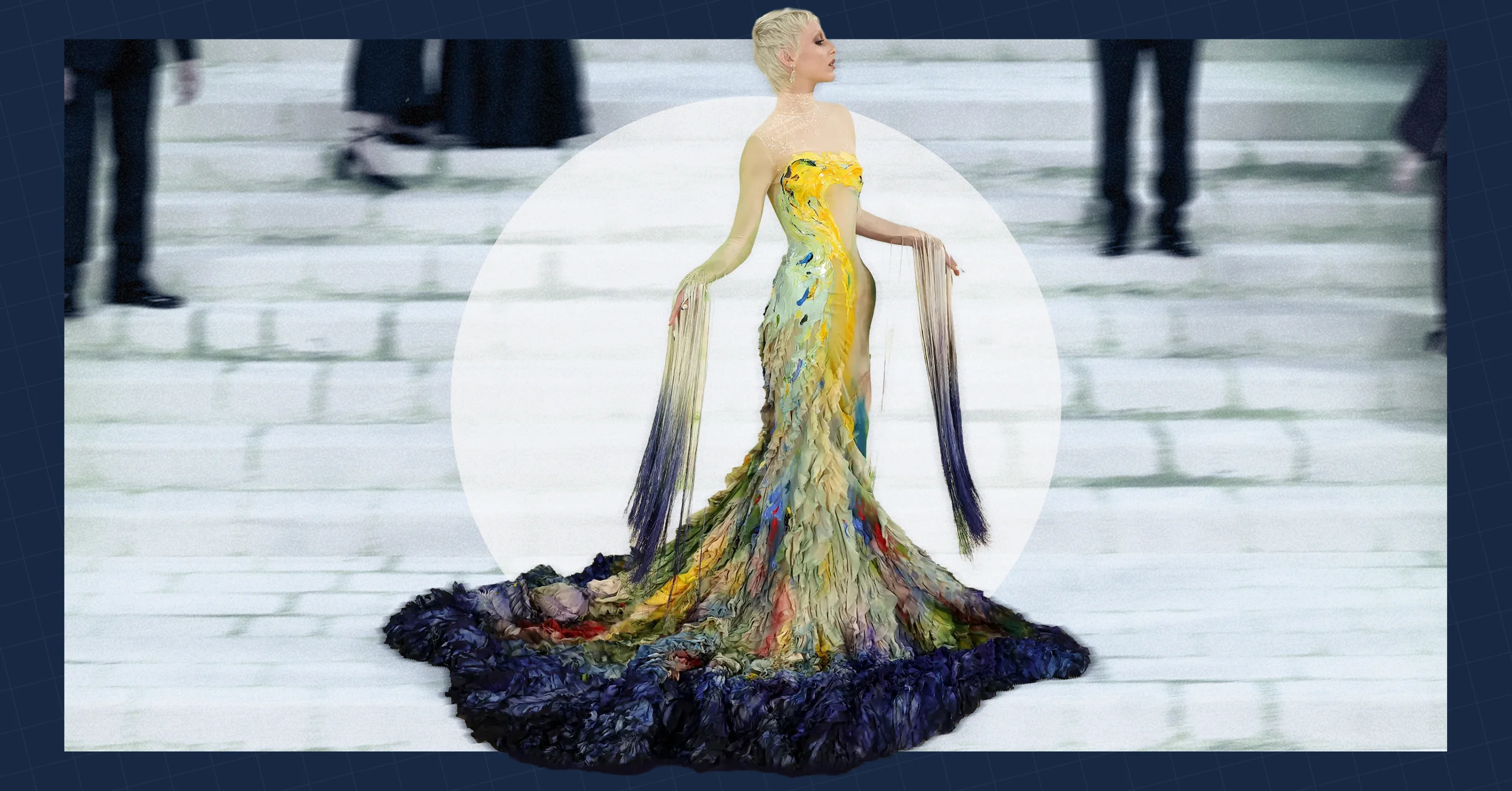
The Met Gala 2026 shows how fashion, art, scarcity, and experience design fuel business strategy. Here are leadership lessons from fashion’s most watched night. Photo: Dia Dipasupil/MG26/Getty Images

Fashion’s most watched night is more than spectacle. It is a case study in cultural capital, experience design, brand authority, and the business of meaning.

The Met Gala is often described as fashion’s biggest night, but that description is incomplete. At its strongest, the event is not merely a red carpet. It is an annual demonstration of how culture can be organized, monetized, protected, and remembered.

The 2026 edition, held on May 4 at The Metropolitan Museum of Art in New York, carried the dress code “Fashion Is Art” and celebrated The Costume Institute’s spring exhibition, “Costume Art.” The exhibition opens to the public on May 10, 2026 and runs until January 10, 2027 at The Met Fifth Avenue. 

For business leaders, the lesson is clear: culture is not soft power in the abstract. When designed with discipline, culture becomes strategy. It attracts attention, creates differentiation, strengthens institutional identity, and turns a single event into a platform with global reach.

The Met Gala is a Business Model Built on Meaning

What makes the Met Gala powerful is not only the celebrity presence or the couture. It is the architecture behind the spectacle. The gala functions as a fundraising benefit for The Costume Institute, while also serving as a global media event that points public attention toward the museum’s spring fashion exhibition. 

This is the kind of business model many brands aspire to build: one where commerce, philanthropy, media, and cultural authority reinforce one another. The gala creates anticipation before the event, conversation during the red carpet, analysis after the night, and museum traffic for months afterward.

In a world where brands compete for seconds of attention, the Met Gala builds annual expectation. That is a higher form of marketing. It does not simply chase visibility. It trains the market to wait, watch, interpret, and participate.

Why “Fashion Is Art” is a Leadership Statement

The 2026 dress code, “Fashion Is Art,” works because it is broad enough to invite interpretation but clear enough to establish direction. It gives the red carpet a shared language without reducing creativity to uniformity.

The accompanying exhibition, “Costume Art,” explores the dressed body across The Met’s collection by pairing garments with artworks. The Met describes the show as a study of the relationship between clothing and the body, with connections that range from formal and aesthetic to political and symbolic. 

This matters beyond fashion. A brand becomes powerful when its product is no longer perceived only by function. A garment becomes identity. A magazine becomes authority. A watch becomes legacy. A hotel becomes memory. A media brand becomes community. The strongest companies know how to move from utility to meaning.

Scarcity Remains One of the Most Valuable Brand Assets

The Met Gala also understands scarcity. Not everyone is invited. Not every image is uncontrolled. Not every moment is made instantly accessible. That restraint increases value.

For modern companies, this is an important correction. Many brands mistake reach for relevance. They believe that being everywhere is the same as being desirable. But cultural authority often comes from knowing what to limit, what to protect, and what to make rare.

Scarcity should not be confused with exclusion for its own sake. In business, strategic scarcity means clarity of audience, discipline of access, and confidence in positioning. The Met Gala demonstrates how a carefully controlled experience can create worldwide participation from people who are not physically inside the room.

The Economics of Attention are Changing

The reported numbers around the gala also show the economic force of cultural events. Several publications reported that the 2026 Met Gala raised a record $42 million for The Costume Institute, surpassing the record reported for 2025.

Whether a business is in fashion, media, hospitality, beauty, technology, or real estate, the same principle applies: experiences with cultural authority can command premium value because they are not easily replicated.

This content is available to our subscribers. Join our community to access premium content and elevate your business knowledge.

Already a subscriber? Login
OR
ANNUAL
1,000
per year
SEMI-ANNUAL
500
per six months
QUARTERLY
250
per three months
MONTHLY
100
per month

Frequently Asked Questions

The 2026 Met Gala celebrated The Costume Institute’s exhibition “Costume Art.” The official dress code was “Fashion Is Art.”

The Met Gala 2026 was held on May 4, 2026 at The Metropolitan Museum of Art in New York.

The exhibition studies the dressed body by pairing garments from The Costume Institute with artworks from The Met’s wider collection.

The co-chairs were Beyoncé, Nicole Kidman, Venus Williams, and Anna Wintour.

The event shows how a clear theme, curated access, strong storytelling, and cultural authority can turn a single moment into a powerful business platform.

Archie Carrasco

Archie Carrasco

Administrator

More From Features

Features

How Philippine Consumer Fairs Create Opportunities for Small Businesses

Features

Business Community, Stakeholders Back a Circular Economy Through Legislation

Features

Levanto Restaurant Hub Hosts Lifestyle Asia’s ‘Crave’ Launch in Makati

Features

The Economic Impact of LGBTQ+ Entrepreneurship in the Philippines

Learn straight from the top CEOs and business leaders. Access exclusive articles and videos.

Subscribe Now