Trump Raises Tariffs From 17% to 20% on PH Goods


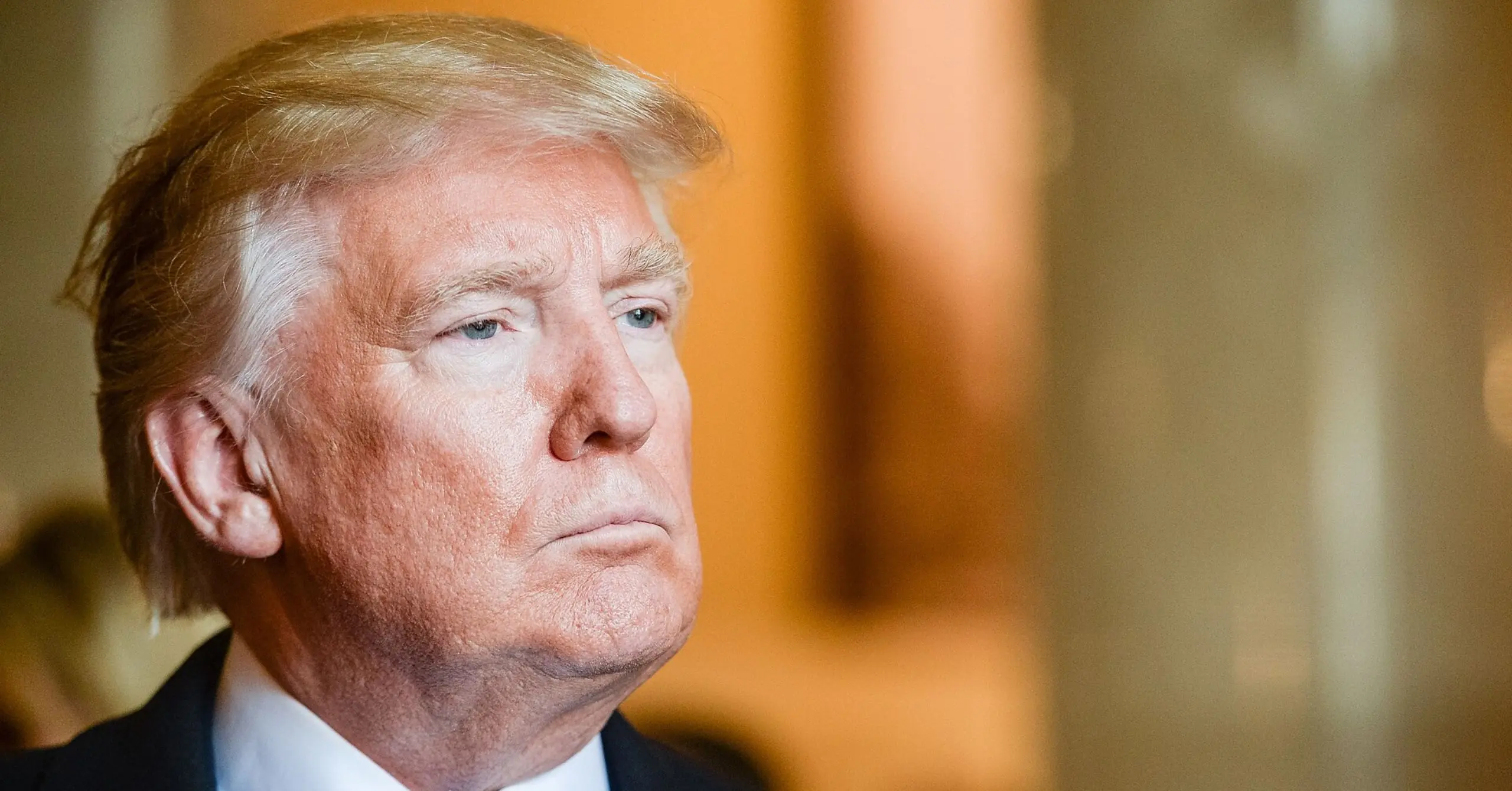
The US Head of State asserts that the trade deficit between the US and the Philippines is a threat to their economy and national security.
United States President Donald Trump has announced that effective August 1, the rate of tariffs placed on goods from the Philippines will increase from 17% to 20%.
Trump made the announcement on his Truth Social account. In his post, he shared the letter he sent to Philippine President Ferdinand “Bongbong” Marcos, Jr.
The new tariffs on the Philippines is part of the latest batch announced by the US president, which also includes tariffs for Algeria, Brunei, Iraq, Libya, and Moldova.
‘Far From Reciprocal’
In Trump’s letter to Marcos, Jr., the US president blatantly stated that the two countries’ trade relationship “has been, unfortunately, far from reciprocal.”
Trump likewise made it clear that the new 20% tariffs are separate from all sectoral tariffs.
“Please understand that the 20% is far less than what is needed to eliminate the trade deficit disparity we have with your country,” Trump said in his letter.
“As you are aware, there will be no tariff if the Philippines, or companies within your country, decide to build or manufacture product within the United States and, in fact, we will do everything possible to get approvals quickly, professionally, and routinely – In other words, in a matter of weeks.” he added.
Trump’s Warnings
Trump likewise gave blatant warnings to the Philippines with the said letter. First, he assured that the country will be subject to more tariffs for “goods transshipped to evade a higher tariff.”
Aside from this, the US president also warned against retaliation over the higher tariffs from the Philippines .
“If for any reason you decide to raise your tariffs, whatever the number you choose to raise them by, will be added onto the 20% we charge,” Trump warned. “Please understand that these tariffs are necessary to correct the many years of the Philippines’ tariff and non-tariff policies and trade barriers, causing these unsustainable trade deficits against the United States.”
Trump went on to declare that “This deficit is a major threat to our economy and, indeed, our national security!”
DTI Reacts to New Tariffs on PH Goods
In a statement shared on its social media accounts, the Department of Trade and Industry (DTI) expressed concern, saying that despite its efforts and constant engagements, the US still decided to impose a 20% tariff on Philippine exports.
While the department acknowledges that the new tariff rate is one of the lowest among those that have been newly imposed, it stressed that “the Philippines remains committed to continuing negotiations in good faith to pursue a better and more comprehensive bilateral trade agreement.”
The DTI has assured the public that it will continue to negotiate with the United States in order to reach a balanced trade relationship that will benefit both parties. The department likewise announced that a delegation will head to the US next week to hold more talks ahead of the August 1 implementation of the new tariffs.
Image courtesy of Wikimedia Commons
Frequently Asked Questions
Following negotiations between President Marcos and President Trump in July 2025, the finalized tariff rate on Philippine exports to the United States was set at 19 percent.
The 19 percent tariff rate on Philippine goods entering the United States market was officially implemented starting August 1, 2025, following the conclusion of bilateral trade negotiations.
No, the tariff does not apply to all goods. Exemptions exist for specific sectors such as semiconductors, pharmaceuticals, and energy, limiting the impact to roughly 31 percent of exports.
In exchange for the tariff rate, the Philippines agreed to open its markets to U.S. goods, including eliminating tariffs on American products like automobiles, soy, and wheat.
Industries reliant on U.S. exports may face reduced demand, potentially impacting jobs and production volumes. Additionally, the deal shifts the burden, as the U.S. previously held a trade deficit.