Championing Filipino Food for Five Decades: The CDO Legacy, According to President and CEO Jerome Ong


CDO Foodsphere President and CEO Jerome Ong shares lessons on leading with heart, grit, and strategy.
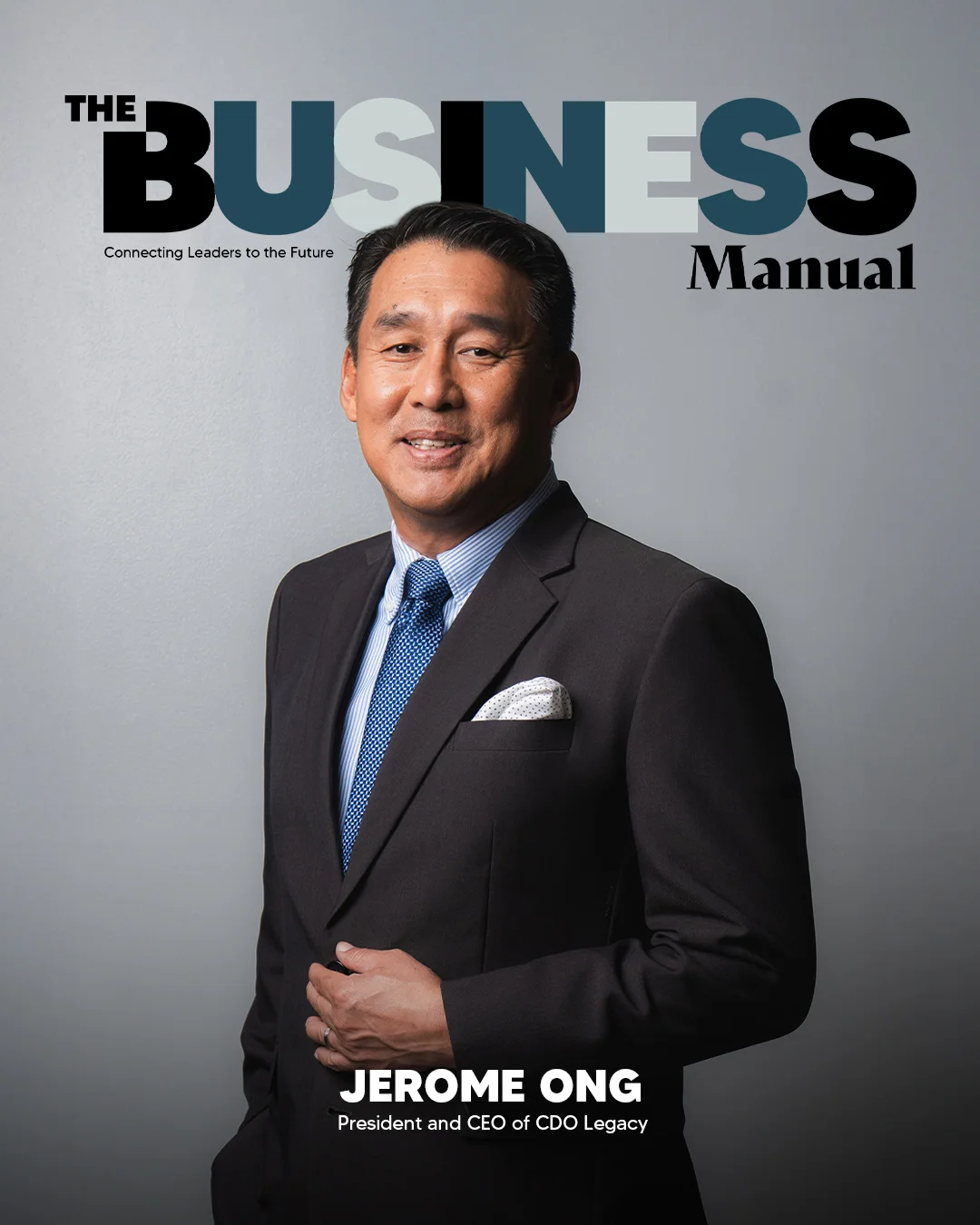
At the heart of every Filipino’s life is family and food. Without coincidence, at the center of the Philippines’ P309 billion food industry is CDO Foodsphere, a company built by one family’s passion for food–which has won it the hearts of a nation.
CDO’s journey began, quite literally, from the founder's kitchen to find a place in the homes of families all over the country with unique recipes for nutritious and convenient Filipino staples like tocino, longganisa and hotdogs. Continuously innovating through the years, CDO has made products that read like a menu of Pinoy Greatest Hits–Funtastyk Tocino, Karne Norte, Ulam Burger, San Marino Corned Tuna, and Highlands Corned Beef are just a sampling of the phenomenal success CDO Foodsphere has achieved.
As CDO Foodsphere celebrates its 50th anniversary, President and CEO Jerome Ong reflects on their journey from a small home-based operation to a household name in the Philippine food industry. The Business Manual spoke to him about his leadership of CDO Foodsphere, which has been shaped by humble beginnings and hard-earned wisdom. His experience offers valuable business lessons for entrepreneurs building a business from their own kitchens and leaders of industry-leading corporations alike. Here are six lessons he shared with us:
1. Start with Passion
Entrepreneurs are told by business gurus and mentors to “Pursue your passion.” While this advice has been repeated so often to almost become a cliche, it remains no less true. It is in passion where entrepreneurs will find their motivation, a deep well of perseverance, and oftentimes, it also becomes a springboard for innovation.
Jerome Ong, who was eight years old when his parents Corazon Dayro Ong and Jose Ong established the business that would become CDO Foodsphere, recalls that his parents had no plans of becoming entrepreneurs. They were only looking for a way to augment the family income. And they had a passion for food.
Jerome’s father Jose was a college professor in Ateneo, while Corazon was a nutritionist and dietitian. But when the couple had children, Corazon was forced to take an extended leave from work.
Determined to fill the financial gap, Corazon took a number of short courses from the National Cottage Industry Development Authority (NACIDA)–a sort of startup incubator of its time. Here, she learned to make skinless longganisa and tocino. These would become CDO’s first products as the couple got to work.
“There were times when [my parents] didn't distinguish between night and day,” Jerome tells us about the early years of CDO, which he witnessed. “Because even late at night, they would really work hard, run the factory, work long hours to serve the rush orders of customers. And then during the day, they would sell the products themselves.”
With Corazon as CDO’s first salesperson and Jose as the company’s delivery driver, CDO would continuously grow through the years. From the kitchen, production took over first the dining room, then the garage, until food production dominated the Ong family home’s entire first floor.
From there, the passion that built CDO led to scale. The company was accredited by a pizza restaurant chain–a coup for commercial sales. They hired employees to help them with production. Then misfortune struck. A fire burned down their fledgling factory.

2. Learn from Mistakes
Setbacks are a part of business, and how entrepreneurs respond to challenges can define their success or failure. For CDO’s founders, the fire that destroyed their home could have been a business-ending event. And yet, thanks to the efforts of employees who saved most of their equipment from the fire, CDO was back in production after just two days.
These hard-learned lessons–and more–became part of Jerome Ong’s early education in leadership. Speaking about his parents’ management style, he says, “They don't often verbalize what they want, but they're very good leaders, and they led by example.”
Despite being at the very top of one of the country’s largest food manufacturers, Jerome Ong is no stranger to experiencing setbacks. He is candid about his early mistakes—from faulty process changes in the factory to incurring bad debts due to weak credit controls. What made the difference was the culture of learning introduced by his parents.
He says, “Looking back, I am privileged to have been given the chance and the trust by my parents. They allowed me to experiment, to make mistakes. So, I guess that gave me the confidence to become bolder and bolder in the business decisions in the coming years.”

Now, he extends that same grace to his team, encouraging them to grow through responsible risk-taking. “Nowadays,” he says, “we allow our executives to make mistakes. Because only when they make mistakes do they truly learn.” He adds, “Except, of course, they can't keep making the same mistakes all the time.”
Making mistakes and learning from them–within limits–are part of Jerome’s management style. He explains how he dealt with his growing team of business professionals as the company expanded, saying, “We knew we had to empower them, give them elbow room. Of course, we set guidelines, we set limits, and we all flourished together.”
To manage in this empowering fashion, Jerome pulls from his years of experience in CDO. He began in the family business from the factory floor, learning through what he calls “trial and error.” From operations, he then moved on to sales, and became CDO Foodsphere general manager from 1997 to 2002. As Jose Ong stepped down as president in 2002, Jerome succeeded him as president and CEO.
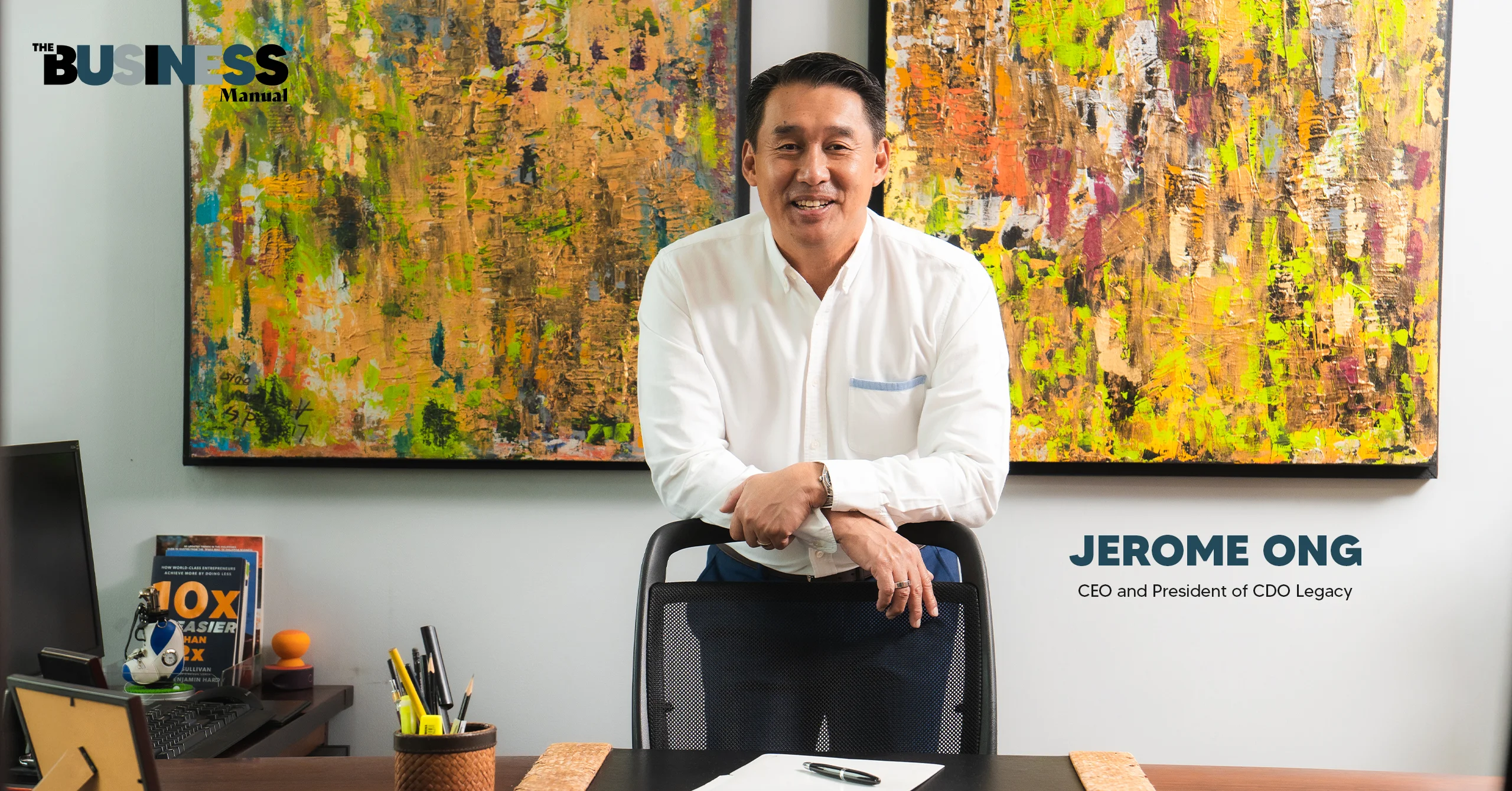
3. Innovate with the Consumer in Mind
One of the hallmarks of CDO Foodsphere is how it has pursued innovation in its product offerings. Product after product, CDO has had to fight for its place in the industry. At times, it would challenge established leaders with fresh, new flavors. Other times, it would create a new segment with an innovative product.
Jerome says, “Innovation for us, you can approach it using technology or you can approach it from a market perspective. In our case, we realize that our innovation has to be driven by market insights. What do consumers look for in certain products?”
For Jerome Ong, success starts with staying attuned to consumer needs. Whether launching the budget-friendly CDO Karne Norte in 2000 or pioneering San Marino Corned Tuna in 2009, innovation at CDO is driven not by tech, but by market insight. "Trends change... so our innovation has to be driven by what consumers are looking for," he emphasizes.
This market-first mindset allowed CDO to grow from its original tocino and longganisa products to a diverse portfolio, even amid stiff competition from entrenched rivals.