From One Brand to Beauty Empire: How IFACE Cracked the Masstige Market in Just Three Years



At the intersection of mass market and luxury, Tony Chua of IFACE built a beauty empire through strategy, values, and partnership.

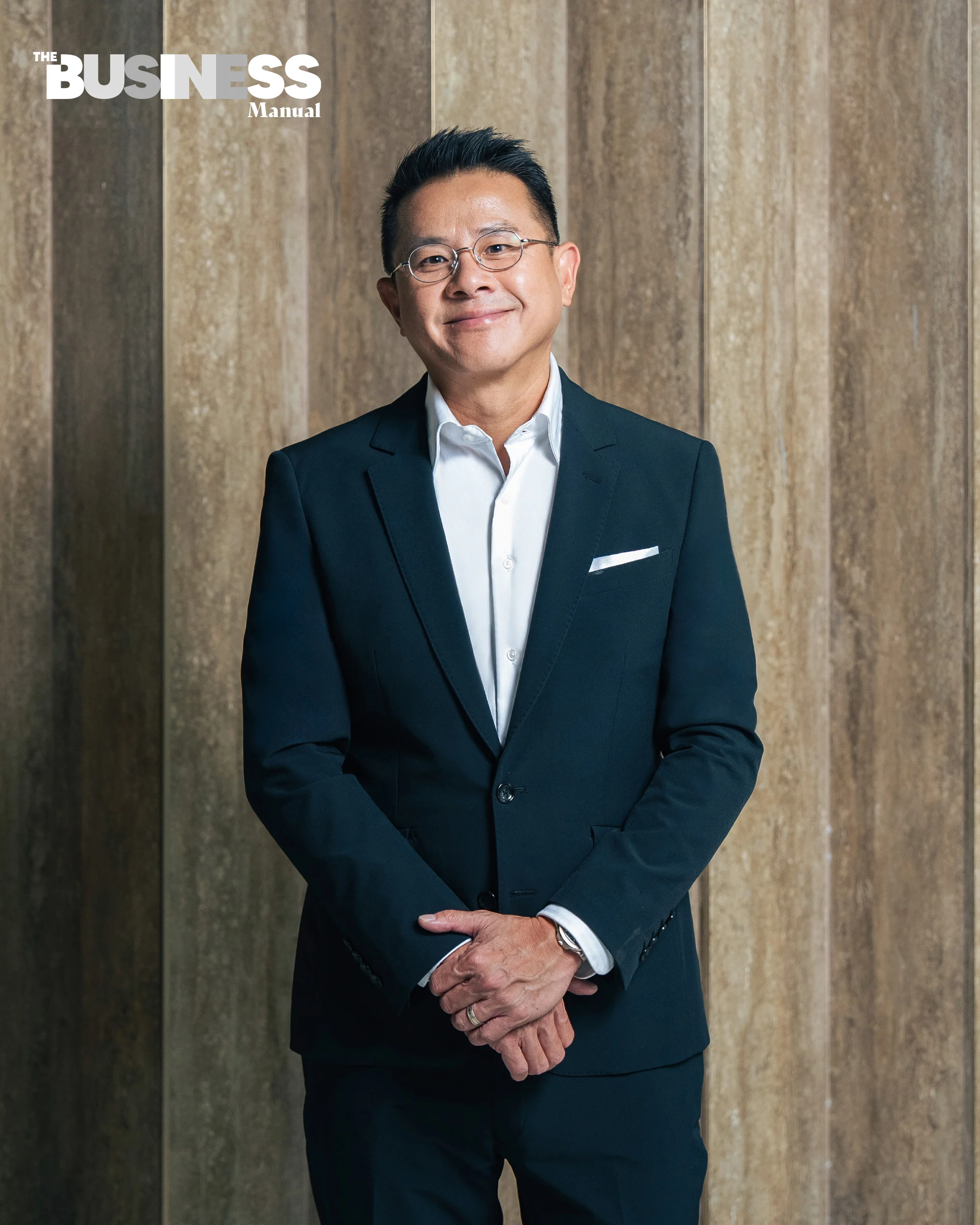
When businesses are in danger, Tony Chua shares mid-interview, there is also opportunity. During the COVID-19 pandemic, when retail had frozen to a standstill, he chose to double down on a key driver of his company’s business—by hiring more salespeople when competitors were letting them go. As a result, IFACE achieved the unthinkable during the pandemic years, growing to three times its size during the period, and winning significant market share over its competitors.
The story of iFace is more than a tale of market share and brand portfolios. It is also one about strategy and partnership. Founded in 2012 by siblings Tony Chua, Angie Goyena and William Ng, the company began by selling one brand: the Australian makeup line BYS Cosmetics. Forming an exclusive partnership with Watsons, IFACE would grow at a breakneck pace. More than a decade later, it has become a veritable beauty empire with nearly 1,000 stores, over 50 brands, and 3,000 employees nationwide.
The IFACE story is also about values—both family values and a deeply people-centered philosophy. The Business Manual spoke to Tony Chua, Co-Founder, CEO and President of IFACE, about all the aspects of his journey at the helm of the company, from its founding years to the present. At its core, his journey is a lesson in grit and bold leadership. Here are five key business lessons from Tony Chua that every aspiring entrepreneur can learn from.

1. Identifying the Market Gap
In 2012, when Tony Chua launched IFACE, the Philippine beauty retail landscape looked very different compared to today. E-commerce was young, international cosmetic brands were few, and quality makeup remained largely out of reach for the average Filipino consumer. What Tony saw then wasn’t just a business opportunity—it was a gap between aspiration and access.
The answer to this gap was to create a new, “masstige” market segment. Short for “mass prestige,” this segment would answer the mass market desire for quality—luxury even—at attainable prices.
“Masstige means the price to quality ratio of the product is very high,” Tony explains, “meaning good quality but really affordable. When we say affordable, that means our broad C and even D market can afford it.”
When Tony introduced BYS Cosmetics to the Philippines, it wasn’t just about launching another makeup brand. He brought in a trendy, complete line that married quality and affordability, a concept that resonated with Filipinos hungry for more beauty options. His philosophy: make premium experiences accessible. The key is identifying untapped demand and delivering value with consistency.
This strategy proved to be on target. In just a year, IFACE had achieved Php60 million in sales, and expanded to 100 stores. And with a winning strategy in place—masstige cosmetics sold through its exclusive partnership with Watsons—IFACE continued to acquire more brands and spread its presence to more and more stores.
With success came recognition. Most recently, IFACE won the Cosmetics Retailer of the Year at the Retail Asia Awards 2025, but its first award came in 2015.
Tony recalls, “And that [recognition] was a huge milestone. That was really a validation for all our hard work, perseverance… And it also proved that we could take brands successfully with extremely high sales performance. It also gave us all the confidence to continue expanding, believing that we could go not only head to head with the retail giants in the industry, but also out-compete them.”

2. Move Fast, Stay Resilient
Even while IFACE achieved rapid growth and received recognition, the company committed many classic startup missteps in its early days. From hiring the wrong people to trying marketing strategies that failed, Tony Chua and his siblings Angie and William had to learn—and fast—from the challenges they faced. But instead of folding, they doubled down on perseverance.
“When we started, we had really zero experience in retail,” Tony recounts. “And just as with any business, when you have no experience, you just make all kinds of mistakes… But all these missteps, it never really dampened our hope. You know eventually, we just believed in ourselves. And grit, determination, resilience really was our playbook.”

Tony credits being a family business for IFACE’s success. It was their sibling dynamic that enabled the company to remain agile in a fast-moving and competitive industry.
Tony explains, “Once we achieved economies of scale, once we had really implemented systems and processes in the business, we were ready to scale. But then, the market was changing also quite rapidly. So we had to be really on top of trends in the beauty market. The really important key to our successes [is] because as a family business, it's just the three of us. We're very quick to discuss, evaluate, decide, and then take action.”
Unlike many corporations bogged down by bureaucracy and ponderous decision-making, IFACE thrives on agility. As a family-run business, the decision-making process is swift and collaborative. This nimbleness has allowed them to respond quickly to market trends, seize shelf space, and scale efficiently in a hyper-competitive industry.
3. Treat Employees as Partners
In recognition of the pivotal role that IFACE salespeople play in the business, and also because of the values that the founders possess, the company has always placed its employees at the center of everything it does.
“We place our people at the heart of every decision, strategy, and future plan,” Tony says. “We allow our people to grow with the company… So IFACE will always be synonymous with family.”

Testament to this is how IFACE has converted contractual beauty advisors to full-time hires. In the Philippines, many companies hire workers on a contractual basis then renew the contract every six months to avoid regularizing them and paying benefits—a practice called “endo,” which refers to “end of contract.” Instead of exploiting this loophole in labor laws, IFACE chose to make a bold move: It regularized their salespeople to ensure that they received the benefits they deserved.
In addition to converting these contractual workers to direct hires, IFACE also runs numerous programs for its employees, such as a scholarship program, a farm-to-table program, and a feeding program.
It’s all about investing in the people who contribute to IFACE’s success. Tony says, “In the [past] 12 years, quite frankly, it's never been this difficult to stay ahead of the competition. So a big component of our success is we're still investing heavily in our people, in the training of our salespeople. Because they're the key to our success.”
Frequently Asked Questions
The masstige beauty market combines mass-market affordability with prestige-level quality, offering high price-to-quality ratios to consumers seeking premium cosmetic experiences at accessible price points.
Tony Chua is the Co-Founder, CEO, and President of IFACE, the prominent retail distribution company behind major international cosmetic brands in the Philippines.
IFACE launched into the Philippine retail space by exclusively introducing the Australian cosmetic brand BYS Cosmetics to consumers through a strategic partnership with Watsons.
IFACE achieved rapid growth by identifying unmet demand for premium, affordable cosmetics, generating 60 million pesos in sales and expanding to 100 stores within its first year.
IFACE leverages its three-sibling leadership dynamic to eliminate corporate bureaucracy, allowing the executives to discuss, evaluate, and deploy fast decisions regarding shifting consumer trends.