Empowering Women Through Healthcare: How Kindred CEO Jessica de Mesa-Lim Built the PH’s First Femtech Company


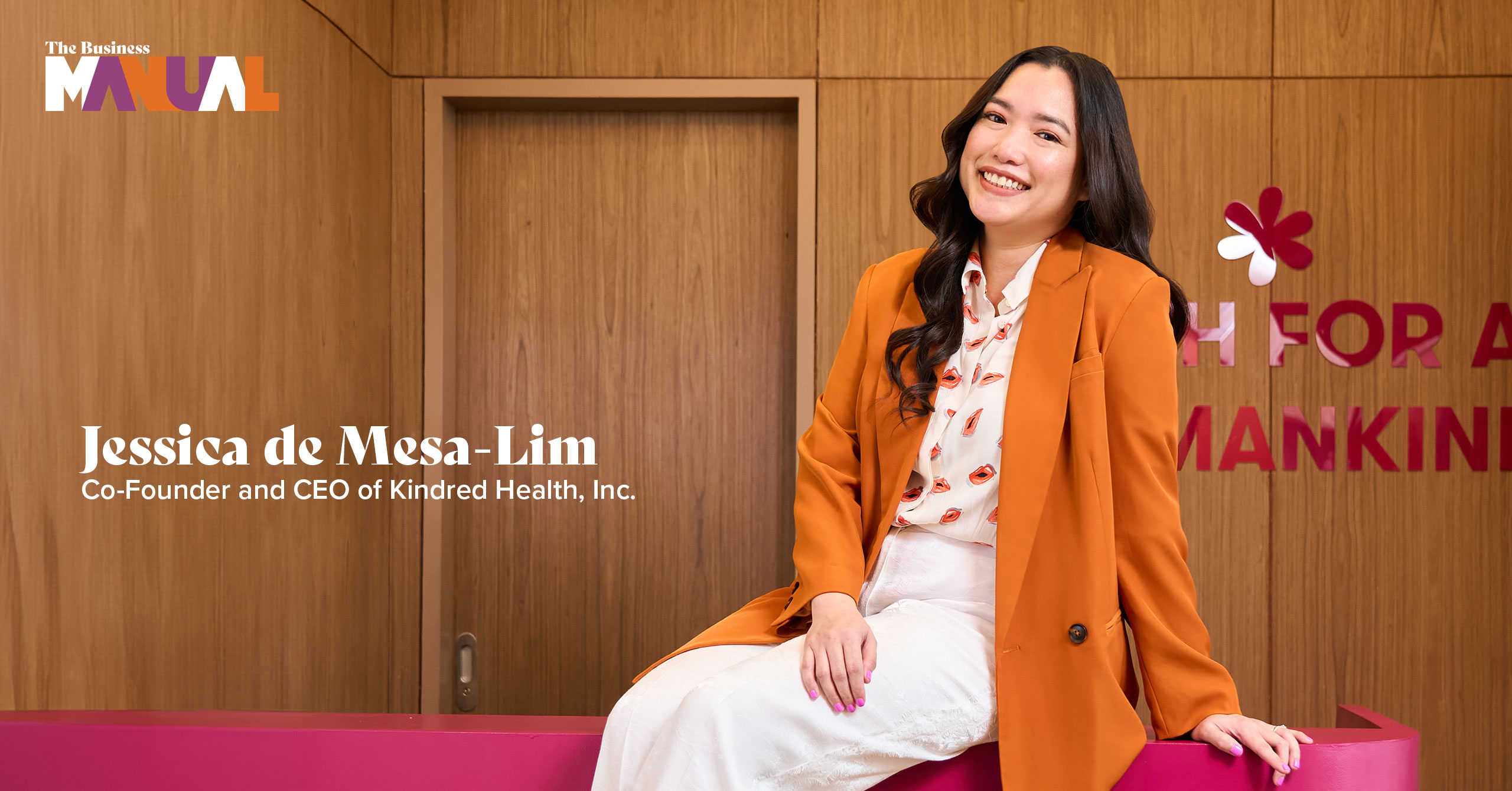
With her “femtech” startup Kindred, Jessica de Mesa-Lim has created a safe space for women that promotes their health and empowers their lives.
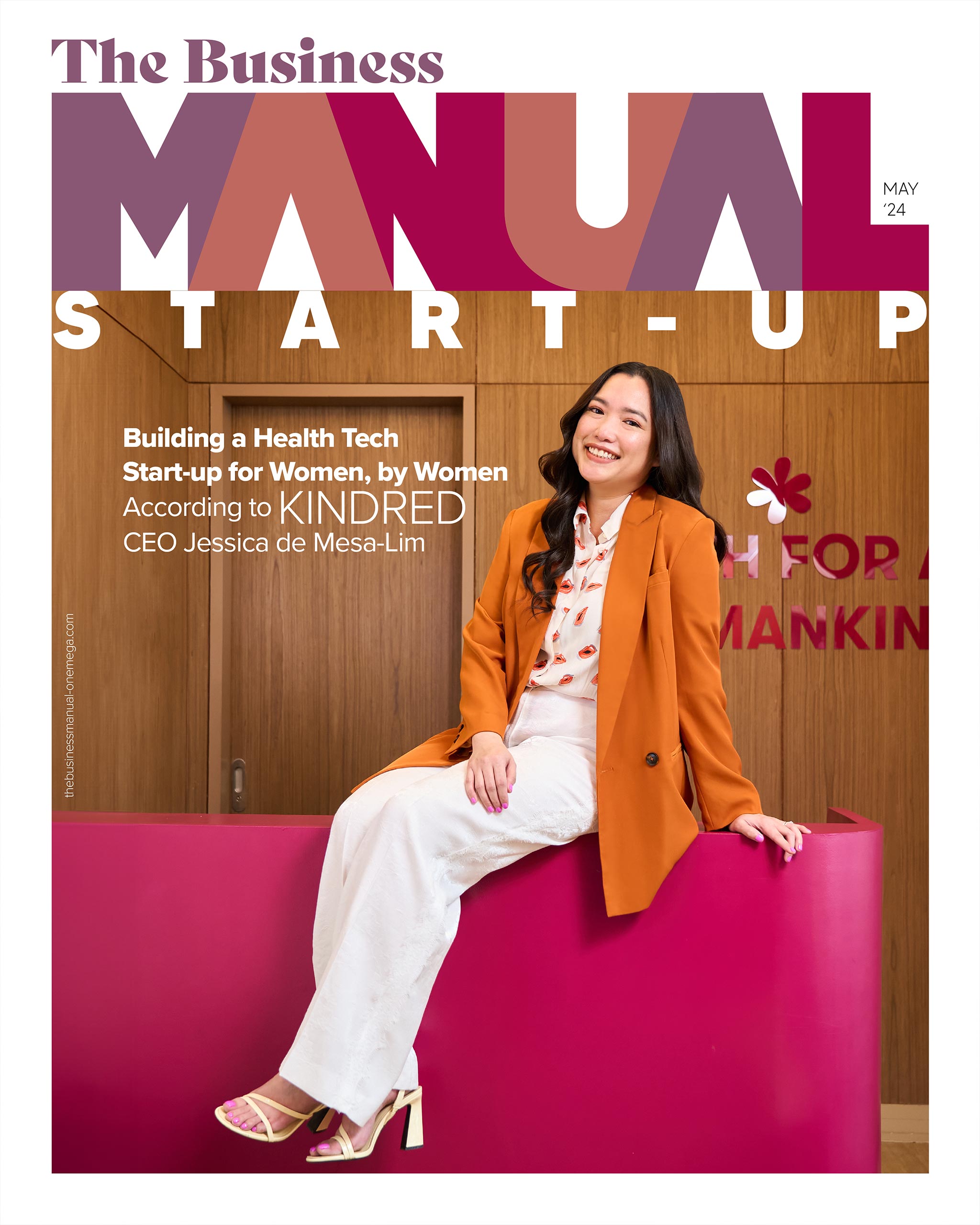
When Jessica de Mesa-Lim began her startup Kindred, she set out to solve an often-overlooked problem that has always been obvious to women: women’s healthcare. By championing women’s health, she pioneered the country’s first “femtech” company–a tech business that focuses on providing holistic healthcare for women. Through Kindred’s app, women can track their health, consult doctors online, pursue their wellness goals, or book consultations at Kindred’s clinics for a host of female-centric services such as breast exams, ultrasound, and prenatal screenings.
The pain point that Kindred addresses is called the women’s health gap. According to a report by the McKinsey Health Institute in collaboration with the World Economic Forum, women spend more of their lives–an average of nine years of their life–in poor health compared to men. When women are sick, their illnesses often go undiagnosed. When women know they are sick, they are often untreated. And at hospitals and clinics, they are often underserved, with reproductive health concerns being stigmatized and their mental health problems being dismissed.
For its work, Kindred has been recognized as one of the most promising startups in the country. It was one of nine Philippine companies named in the Top 250 Emerging Markets for Sustainability summit in Hong Kong, and the company landed in Forbes Asia’s 100 to Watch List. And locally, it won silver in the Startup of the Year category at the KMC Startup Awards. These awards highlight the fact that women’s health is a large-scale issue that needs to be addressed. The rewards are equally clear: according to McKinsey, addressing the women’s health gap will save lives and boost the world economy by a staggering USD 1 trillion by 2040.
The Business Manual in partnership with Pharmaton spoke to the founder and CEO of Kindred, Jessica de Mesa-Lim, and discussed how her company creates a safe space for women to discuss their health concerns and pursue healthier lives. Through Kindred’s holistic healthcare, women are empowered to promote both physical and mental health. We also take a closer look at the energy and focus it took for Jessica de Mesa-Lim to create this promising start-up that is improving the lives of so many.

Origins of Kindred
Jessica de Mesa-Lim began her entrepreneurial journey as a young student. Originally, she had enrolled in a Computer Science course but shifted to study nursing, as she comes from a family of medical practitioners. “I guess my passion for healthcare grew over time,” she says.
Jessica’s training as a nurse planted the seeds of Kindred. Through her experience as a nurse, she continues, “I’m able to understand what our medical professionals go through. At the same time, what our patients go through as well. And apart from being a nurse, being a woman as well because we are in the business of healthcare for women, so it’s quite important.”
Her firsthand experience proved to be invaluable in understanding the challenges faced by both patients and healthcare professionals. She says it “made me attuned to the problems that need to be solved.”
E-Commerce Experience
As a registered nurse, Jessica de Mesa-Lim had, perhaps, only half of the formula that would lead to the creation of Kindred. The other half came from her long experience in tech startups working for an e-commerce company. However, this experience was born from chance.
Jessica recalls, “While I was studying for my exams and preparing to leave so I could be with my family and my relatives in the United States, I met one of my mentors who’s actually one of our Kindred investors right now.”
After the chance meeting in 2012, she began working in the e-commerce space while waiting for her US visa. At the time, she thought,” Maybe I could just try something out. Maybe it’ll make me more well-rounded as an individual. And so I did [join the company]. But then I ended up [staying there] for 10 years in the e-commerce company.”
The fast pace of the startup world and the power of tech to scale solutions proved to be a heady mix for Jessica. Working in the Philippines, Singapore, and London, she played a role in the dramatic rise of e-commerce becoming the juggernaut that it is today.
She says, “The startup space was very, very exciting. It’s actually even more exciting now because nobody back then, [in] 2012, not many Filipinos were shopping online, unlike now… I kind of felt like this will contribute to nation-building if we actually look into digital solutions to help our lives. [Our work was] contributing to improvements in the country.”

Startup Lessons Learned
Throughout her 10 years in e-commerce, Jessica de Mesa-Lim gathered a treasure trove of learnings which she would apply to her own startup company when she founded Kindred in 2022.
She counts building and managing teams as the first important lesson. She says, “I think there’s a big difference, for me, [in] being a manager and a leader who can actually motivate and guide the team. So I learned a lot throughout my journey. I had many setbacks and failures as well, and bringing that experience to Kindred helps me a lot because I don’t just know how to guide them. I actually have gone through it myself.”
Next is the ability to be nimble on your feet, take on different roles, and wear multiple hats. Jessica explains, “You go through different projects. You meet different mentors. So having that very diverse experience and wearing multiple hats makes you stronger and makes you more resilient because being a startup founder is not for everyone.”
Finally, the startup philosophy of failing fast has made its mark on Jessica. Knowing how to fail and learning from failure is one of the hallmarks of successful startups and a lesson she has taken to heart.
“Many startups fail—most startups fail,” she says. “So I think it has a lot to do with going through a lot of failures, being in startups that are not very well known until you scale and until you grow. And the reason why I wanted to start my own venture is actually because I missed that feeling at the very beginning, the most exciting times where you’re going from zero to one.”

Kindred: For Women, By Women
In 2019, after working abroad for so many years, Jessica returned to the Philippines and the time to build Kindred began.
She remembers being shocked by the state of women’s healthcare in the country. “I’m able to compare what is out there in more advanced countries versus what we have here,” she says. “We want to elevate the standard of women’s healthcare, and it’s difficult until now because when we say women’s healthcare, people think it’s just about pregnancy, when we know very well in Kindred that it’s not.”
Jessica goes on to explain the scope of Kindred’s mission, saying, “A woman goes through an immense learning curve from teenage years, starting to become sexually active, to pregnancy…to later on in life [such as during] menopause. It’s just very, very difficult to navigate for us because of the lack of awareness, the lack of education, the social stigma.”
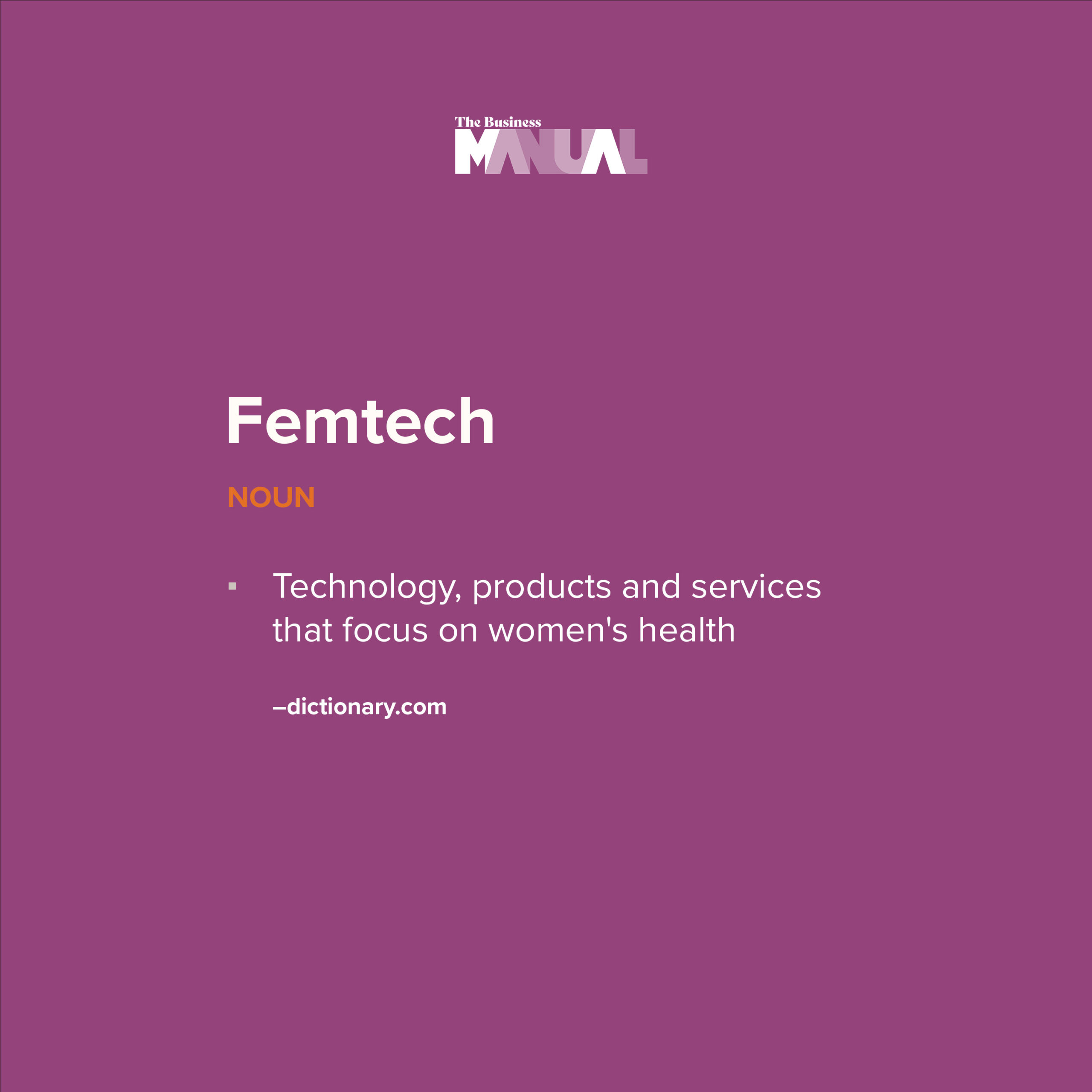
Kindred is a femtech startup, which is defined as a company that addresses women’s health issues through its tools, products, or services. For Kindred, these tools and services revolve around its digital app. From the app, women can consult with doctors, or arrange for a consultation in Kindred’s physical clinic and avail of immunization, reproductive health services (IUD insertion, intradermal implant insertion), or diagnostic tests for conditions such as Polycystic Ovarian Syndrome (PCOS) or breast cancer.
At the same time, Kindred seeks to provide holistic healthcare with a keen eye on caring for women’s mental health. The app includes “wellness psychology bundles” and other packages for total healthcare. In short, for Kindred, women’s health is not just about gynecological problems. It’s about providing quality healthcare for all women.
“At Kindred, what we’re trying to do is bridge the gap,” Jessica says. “We’re trying to address the problems that don’t really have the right solutions right now. I have this big sense of responsibility to contribute to the community.”
Inevitably, the topic of the stigma surrounding reproductive health comes up–a core problem in women’s health in the Philippines. “We get judged and shamed a lot,” Jessica says, “and I’ve gone through that myself. [And so do] my business partners, our investors, who are all mostly women also, by the way…We have this shared experience of that, and we want to try and solve that.”

A Safe Space for Women
Faced with a mission of such immense size, Kindred solves its pain points, such as the problem of social stigma, through research and discussion with its community.
Jessica explains, “We did a lot of heavy market research. We did a lot of focus group discussions. We did a lot of interviews and surveys with potential patients at the very beginning and even until now. It can’t just be what we think, right?
“In all these surveys and research, it’s interesting because what stands out in terms of their pain points is not actually… the medical condition or diagnosis. What comes out on top of feedback from our patients is that they want a safe space.”
Creating this safe space is central to the solution Kindred provides. At the same time, it is an ideal solution for digital. Online, through the app, patients can search for answers and find access to treatment discreetly.
“I really believe that the best startup ideas are the ones that [are] trying to solve problems in the community, and these problems are very close to my heart. For example, our patients say ‘I was judged and shamed by my doctor. I was asking how to protect myself from sexually transmitted infections.’ But then, the answer that they get is actually not that helpful and that prevents [them] from seeking the right care and seeking the right treatment because then you feel embarrassed and shamed.”
“So, aside from social stigma, the inaccessibility, the long wait times in more traditional settings. We want to equip our patients to actually take charge of their health. We want them to start thinking about how their lives can improve.”

Digital First
Creating a digital safe space is only part of the tech solution that Kindred provides. It is also a means to reach more Filipino women. And these women are online.
“We utilize technology from digital marketing to having a very safe, secure, and confidential electronic medical records system,” Jessica says. “Most of our patients discover us online. Like if we didn’t have our web platform and mobile app platform, it [would] be very, very difficult. We have physical clinics, but we actually almost don’t rely on foot traffic because our clients, our patients are digital natives. They are Gen Z and millennials like me, and we’re always online.”
Jessica admits that Kindred has faced many challenges as a first mover. But she says she is happy to pave the way for other femtech companies that will follow.
“We’re a pioneering femtech company and being a first mover is actually not an advantage… No one else has laid the path for a femtech company like us, but we were willing to do that. But, of course, being the first one means you’re the ones facing more challenges up ahead.”
For Jessica de Mesa-Lim and Kindred staying true to their mission is what drives the company forward despite these challenges.
“I think our competitive advantage,” she says, “of course, is the mission that we have, that me, my doctors, my co-founders, the board members and investors are all on board with the mission of improving healthcare access for women in the Philippines.
“I guess coming from those shared experiences and the genuine connection we have to the mission will help us last. That we’re all on the same page in making our business sustainable. We’re not just a startup that wants to disrupt— I hate that word—disrupt and break things. We are in healthcare. We’re dealing with people’s lives, and we want to be here in the long term because a lot of patients are counting on us.”

Maintaining Energy and Focus for Her Mission
Jessica de Mesa-Lim’s entrepreneurial journey has come a long way from her early days as a registered nurse. How has she managed to sustain her energy and her focus in both body and mind throughout the years? How does she practice what she preaches with Kindred when it comes to holistic healthcare?
Candidly, she says, “Being a startup founder, it’s quite difficult to balance things, and I think it starts with admitting that. That there will be some days that are going to be very, very difficult. I think it’s kind of unrealistic to think that you can have a good work-life balance all the time.”
She also admits that she takes concrete steps to ensure that she remains healthy while being conscious of her mental health. She says, “Aside from seeking the right care, taking your vitamins and supplements, and having your health checked, establishing your baselines, seeing where you are in terms of your health status… aside from that, I think it’s important to carve out time, kind of like how you carve out time for your meals. I actually have to make sure that I book in my calendar those little breaks. And, of course, from time to time, my husband and I really unplug.”
Given the importance of the mission Kindred has embarked upon as a company that bridges the women’s health gap, Jessica acknowledges the blurring of the lines of work-life balance while emphasizing the importance of a healthy lifestyle. “Being a startup founder,” she says,”is a 24/7 thing for me. That’s exaggerating, but I just mean that it’s not separate. Your work and life are not separate. So I’ve learned a lot—and I’m still learning—how to integrate work and life together…I always remind myself to seek help when I need to.” With such dedication from the Kindred founder, Filipino women are lucky to have her championing women’s health.
This article was created in partnership with Pharmaton. Like Kindred, Pharmaton believes in holistic health. Pharmaton helps to support both the body and mind, providing all-day energy to power through demands of the day. With over 60 years of science, Pharmaton multivitamins has been a trusted wellness brand for generations. Pharmaton believes that Filipino entrepreneurs can achieve optimum performance and Be One in Body and Mind®.
Text VINCENT SALES
Photography KIERAN PUNAY of KLIQ, INC.
Videography JR RAMIREZ of KLIQ, INC.
Art Direction MARC YELLOW assisted by ANDREA SANGCO
Sittings Editor RJ LEDESMA
Shoot Coordination TONI MENDOZA
More From Features