Four Ways the Government is Helping MSMEs Prepare for the Digital Economy


As the world navigates an era of cutting-edge technology, the Philippine government is rolling out several initiatives to help micro, small, and medium enterprises (MSMEs) capitalize on the digital revolution.
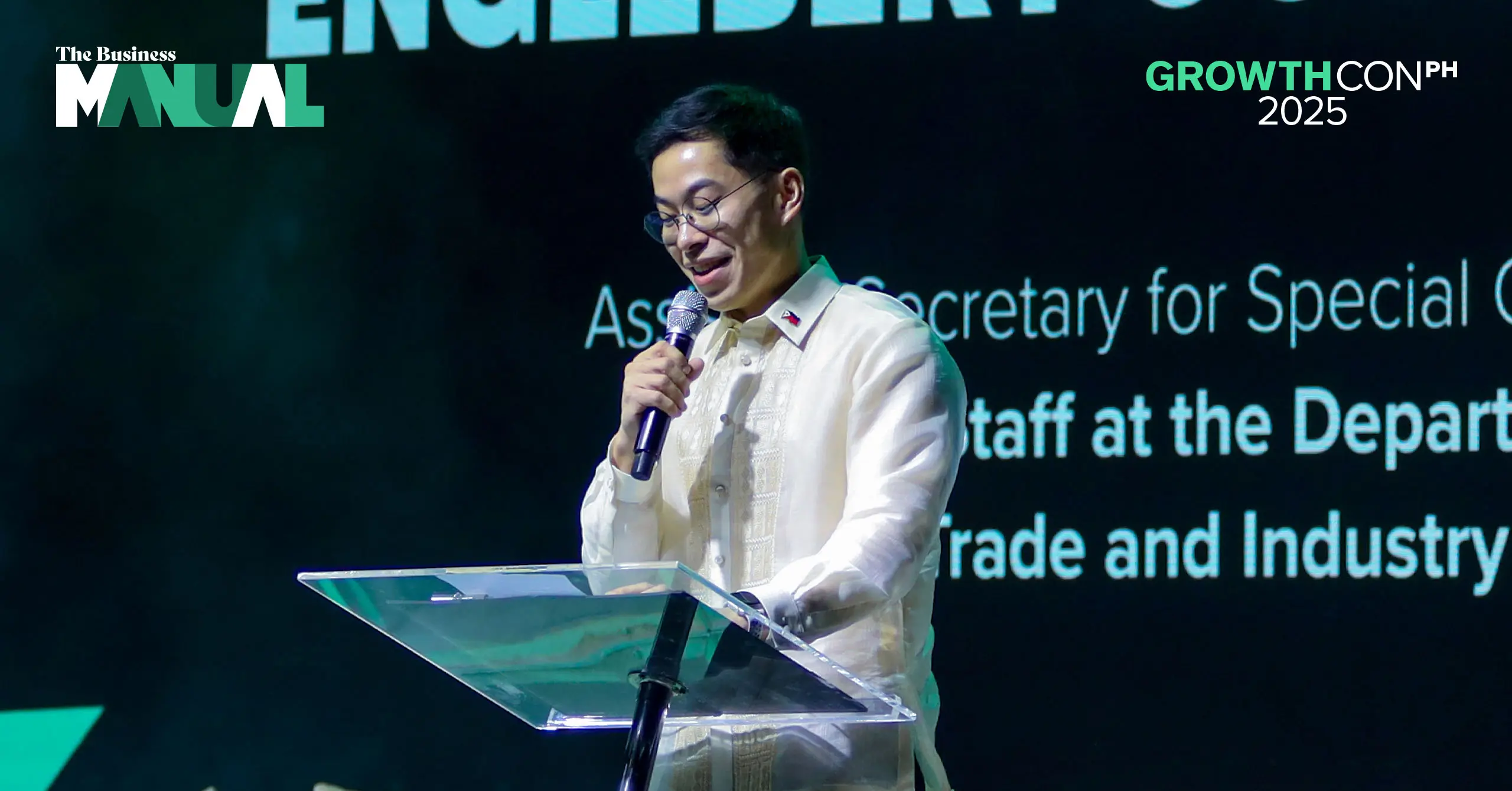
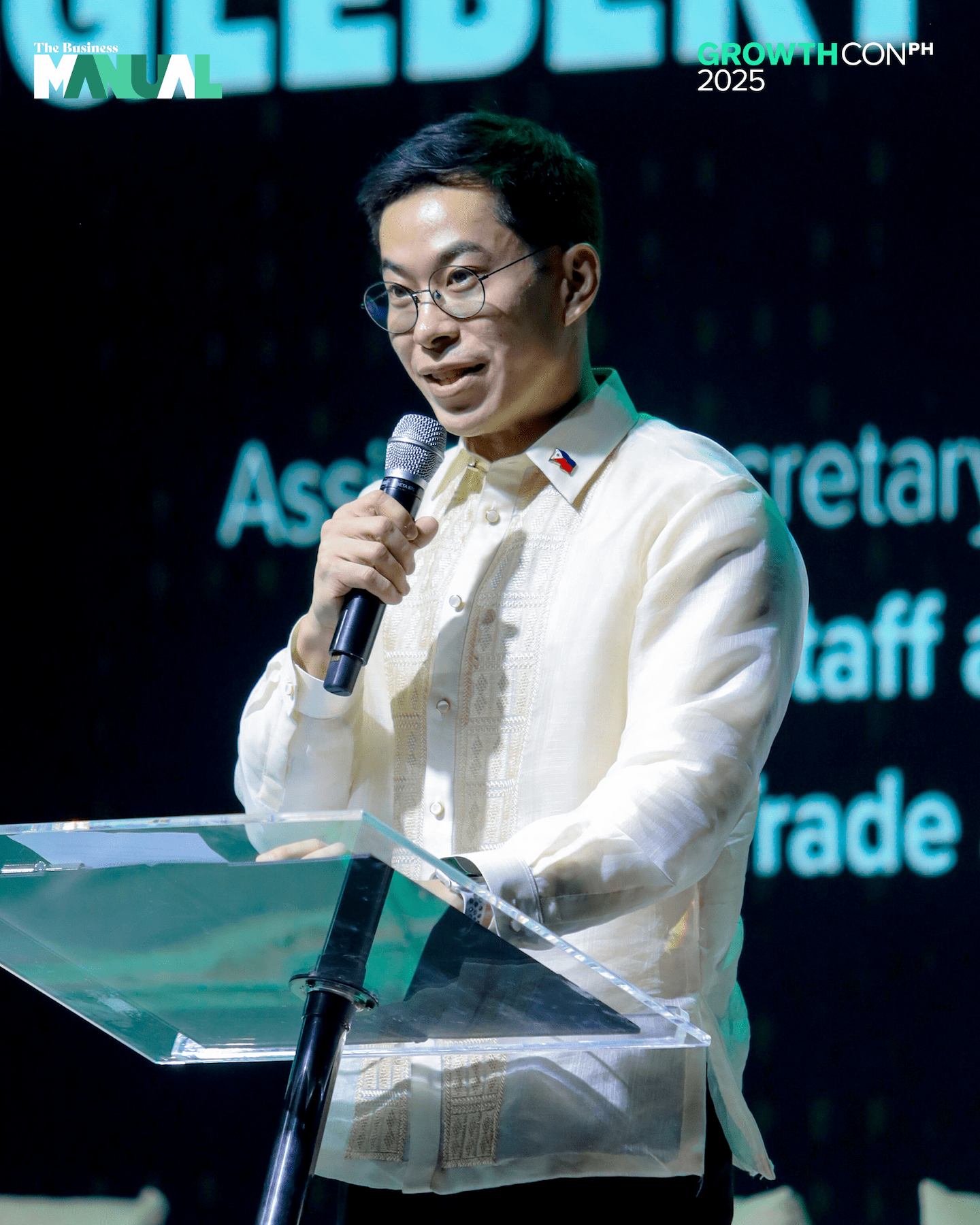
“Our challenge is to make sure that AI becomes a force for inclusion, not exclusion,” said DTI Assistant Secretary Englebert Josef Chua.
Speaking at GrowthCon PH 2025 before students, entrepreneurs, and investors, Chua detailed four key digital initiatives led by the Department of Trade and Industry (DTI):
AI for MSMEs – The DTI pairs MSMEs with tailored AI solutions, helping them automate operations, enhance customer engagement, and scale efficiently.
AI-Powered Chatbots for Negosyo Centers – Machine-learning chatbots are being integrated into Shared Service Facilities, providing improved product design support and market intelligence.
Digital Skills Training – Through collaborations like the Google Career Certificates Program, DTI delivers foundational digital education to entrepreneurs and individuals.
Startup Venture Fund – The DTI co-invests in startups across logistics, agritech, healthtech, and other tech-driven sectors.
In July 2024, the agency launched the National Artificial Intelligence Strategy Roadmap 2.0 (NAISR 2.0) and opened the Center for AI Research (CAIR), creating the nation’s first AI hub to monitor tech developments.
At GrowthCon PH 2025, SM Supermalls AVP Royston Cabunag offered a candid account of technology’s impact on SM during the pandemic.
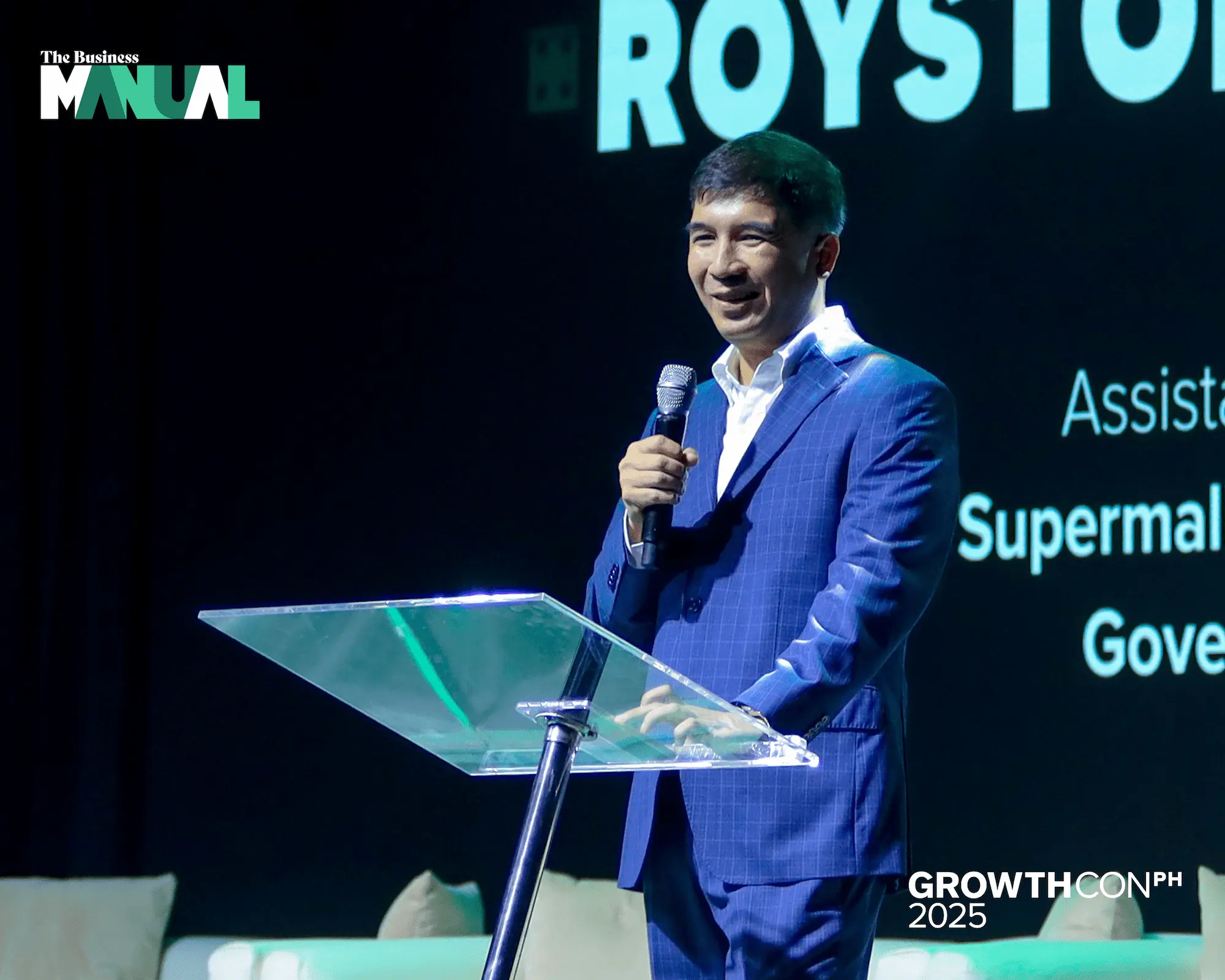
“Kailangan nating sumabay sa pagbabago” (We need to keep up with change), Cabunag emphasized.
He shared that when consumer behavior shifted abruptly during the pandemic, SM turned to data to make informed marketing decisions.
“We used it to personalize promotions, improve digital engagement, and realign our operations. In short, we adapted quickly—because we had insight, not just instinct.”
Cabunag noted that AI should amplify strengths: “help one see things better, act faster, and improve the processes that slow one down.”
During the panel discussions, startup founders echoed this theme, recounting their own AI integration journeys:
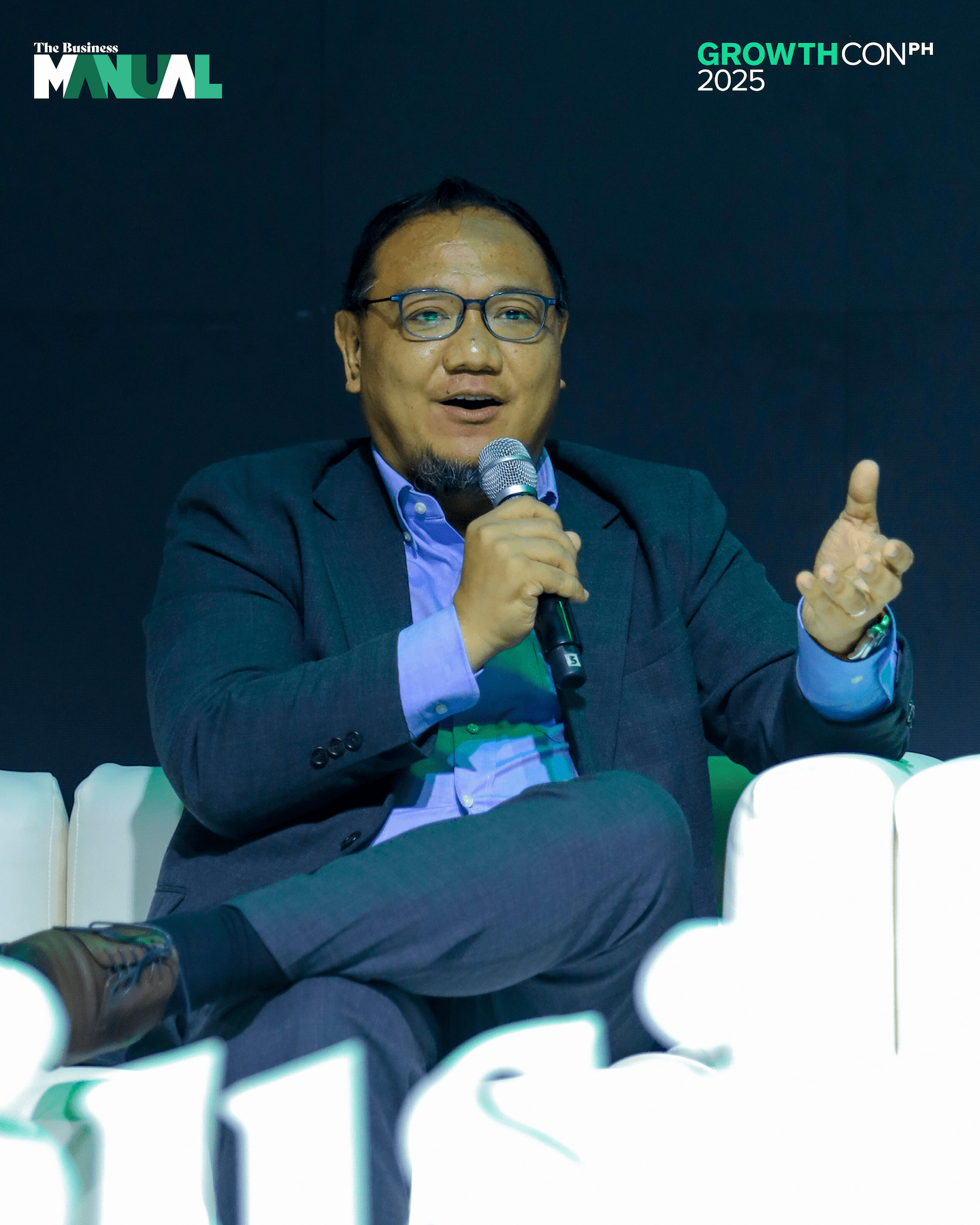
- Xavier Marzan, Managing Partner at Embiggen Ventures and Embiggen X:
“You can use it for decision‑making and not just as a Google replacement.” He cautioned though, that humans must still verify data since “it has hallucinations.”
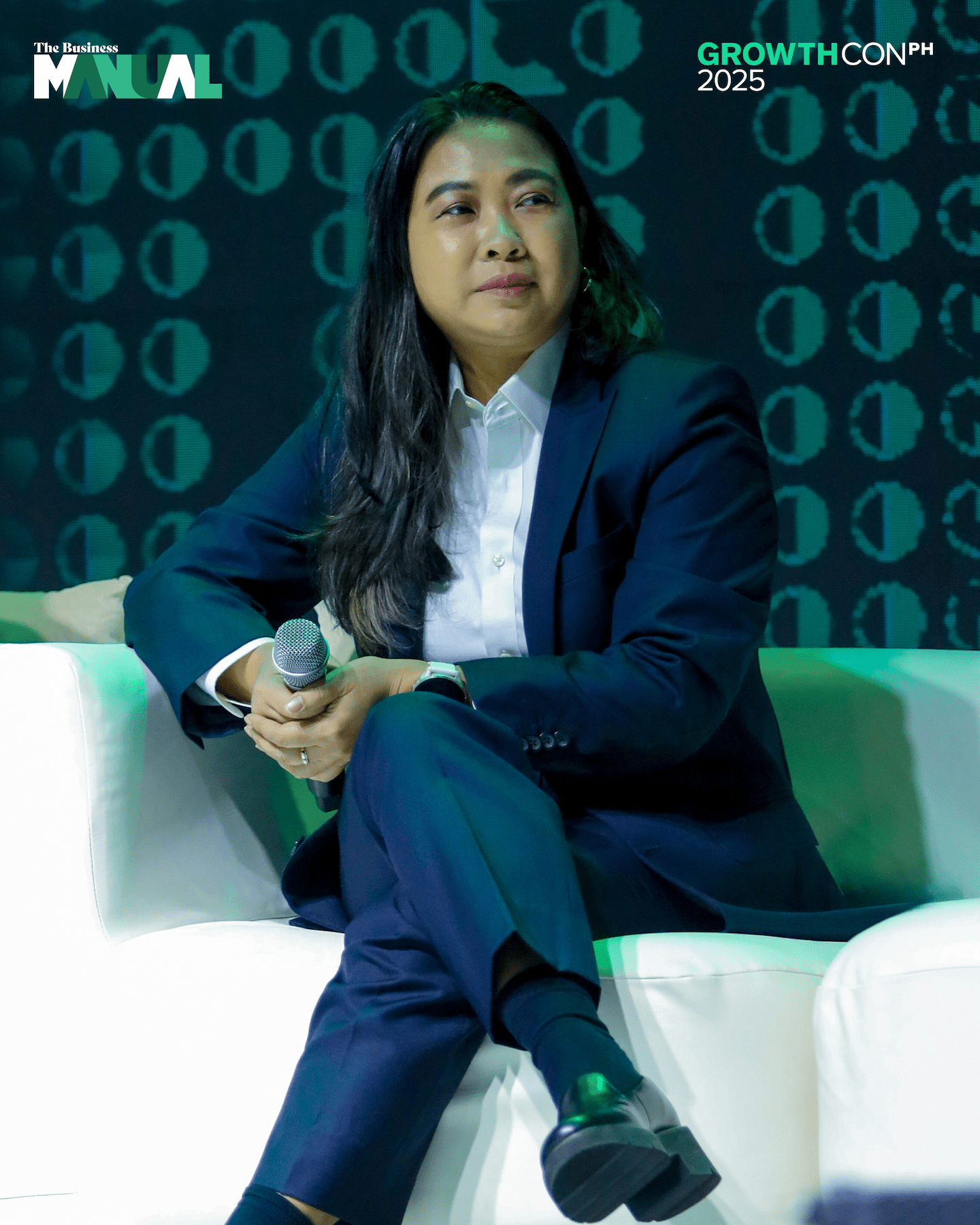
- Fleire Castro, Founder of Dasho Content:
“A whole marketing team…can now be replaced by a single AI specialist,” potentially saving companies thousands—if not millions—annually.
Her warning underscores the urgent need for upskilling in response to rapid technological change.
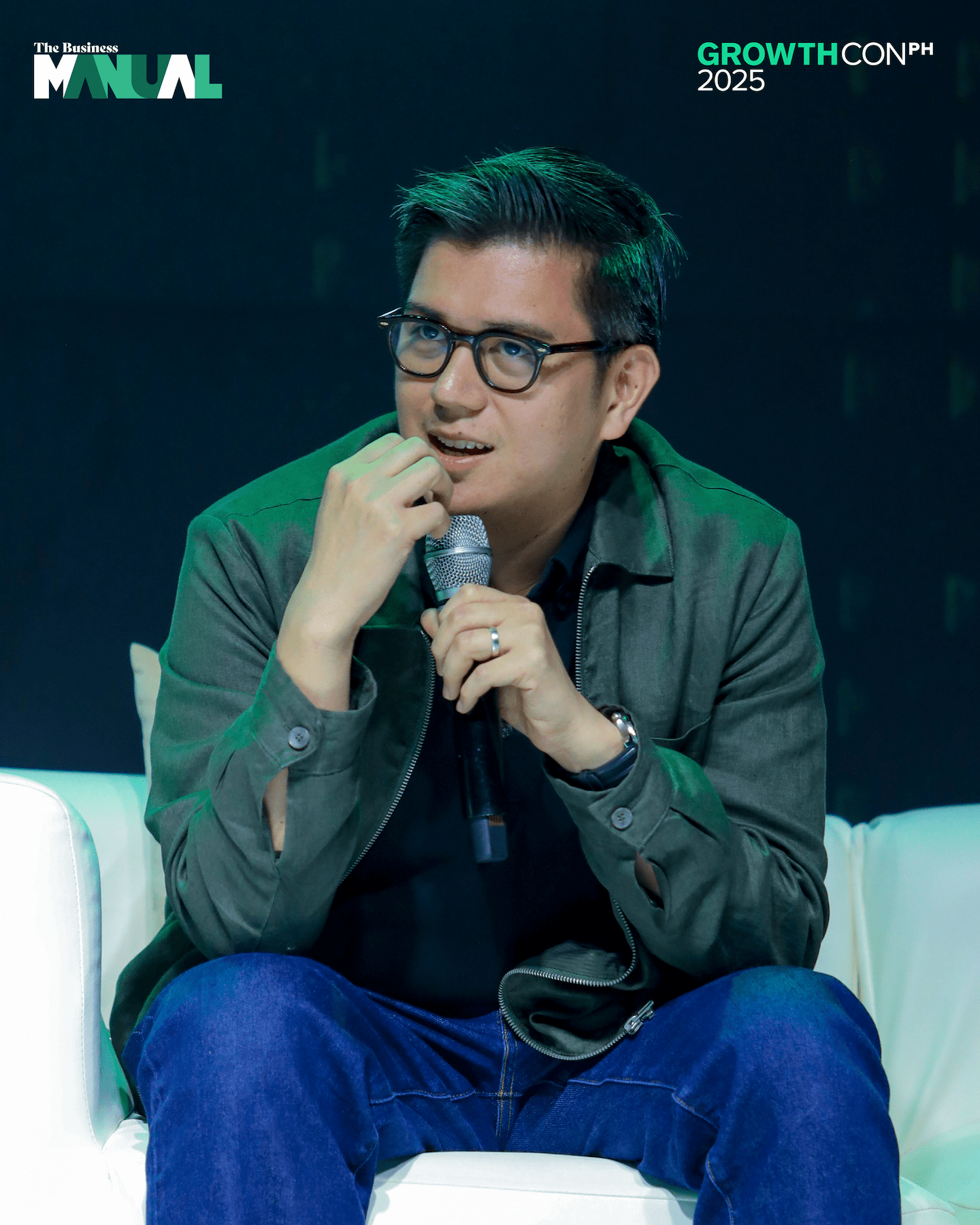
- Jeano Cruz, Creative Director at Gigil:
“There has to be excitement from management in executing it. Get people familiar with technology and get rid of the fear.”
The DTI acknowledges AI’s risks—job displacement, hacking, and fraud—as challenges that must be managed.
“The President gave a clear directive during the ASEAN Summit: promote ethical and responsible AI use in the region. We are taking that directive seriously,” Chua added.
By combining AI support, digital training, venture funding, and vigilant monitoring, the Philippine government is laying the foundation for an inclusive digital future. One that MSMEs bank on not only for survival, but for success in the new digital world.
The Business Manual’s GrowthCon PH 2025 was made possible through the unwavering support of our venue partners: Samsung Hall at SM Aura, and SM Supermalls; our sponsors: Luxe Beauty and Wellness Group, GCash, and Eastern Communications; our food and beverage partners: Savore Catering, H2V2, and Pickup Coffee; our media partners: The Philippine Star and Gadgets Magazine; our partner professional organizations: Philippine Marketing Association, Startup Village, Anvil Business Club, Women’s Business Council Philippines, Association of Filipino Franchisers, Inc., and the Philippine Young Entrepreneurs Association; and our partner student organizations: Ateneo Management Association and UST Economics Society.
Frequently Asked Questions
The Philippine government supports MSME digitalization through the Department of Trade and Industry by offering e-commerce strategic roadmaps, digital transformation centers, targeted skills training, and financial technology access.
The E-Commerce Philippine Roadmap is a strategic government initiative designed to build trust in online transactions, drive digital adoption, and accelerate infrastructure development for local small businesses.
Digital Transformation Centers are dedicated collaborative hubs established by the government to provide micro-enterprises with direct access to digital tools, shared resources, and technical training.
Small businesses can access government digital training by participating in regional DTI webinars, localized capacity-building workshops, and specialized skills development programs focused on electronic commerce.
Digital transformation is crucial for Philippine MSMEs because it expands market reach, enhances operational efficiency, simplifies financial transactions, and ensures long-term competitiveness in a modern economy.