What’s Next in Digital Marketing?


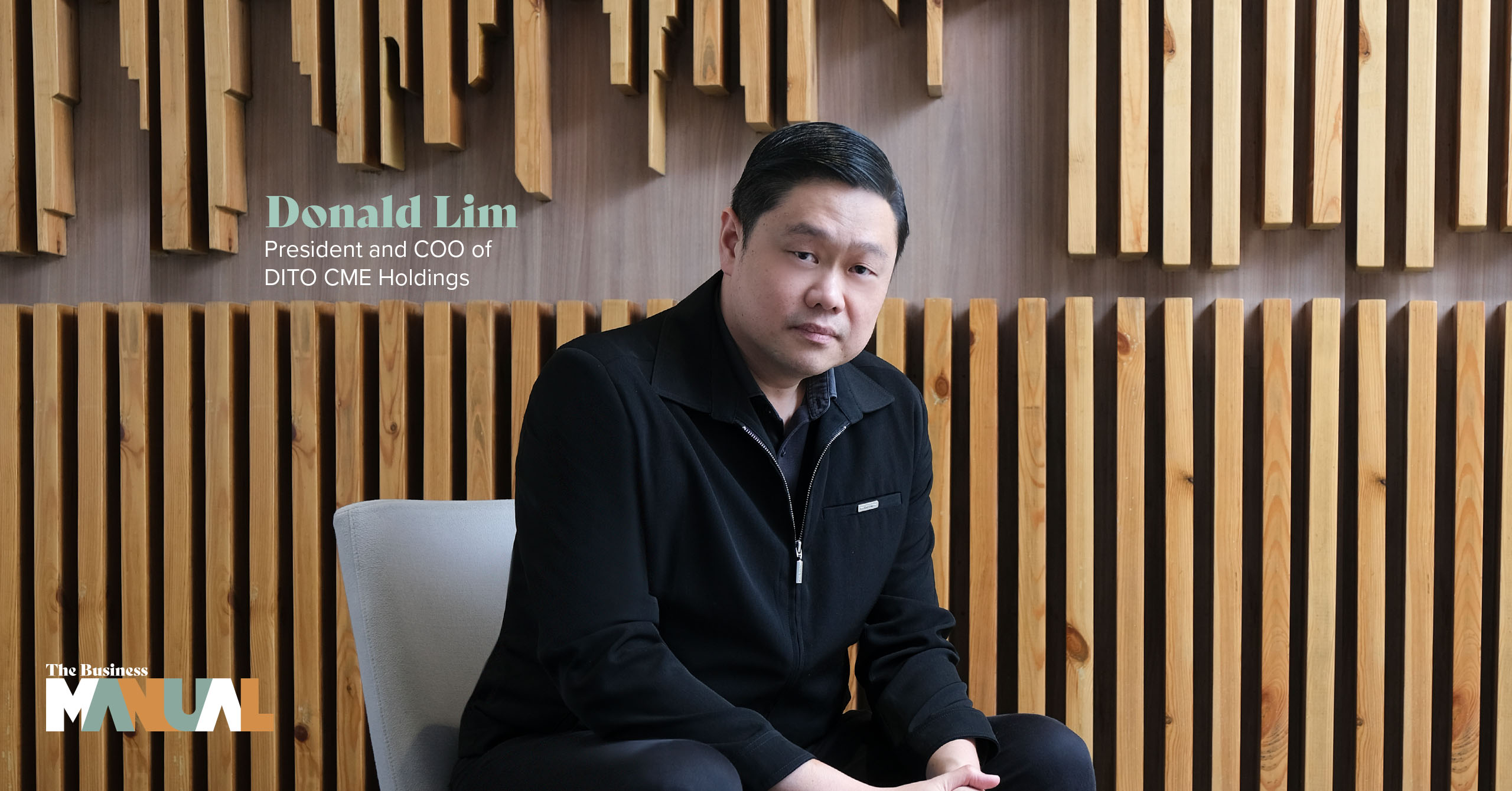
Digital marketing pioneer Donald Lim discusses the promise of Web3, artificial intelligence, and what remains essential in the skill set of tomorrow’s marketers.
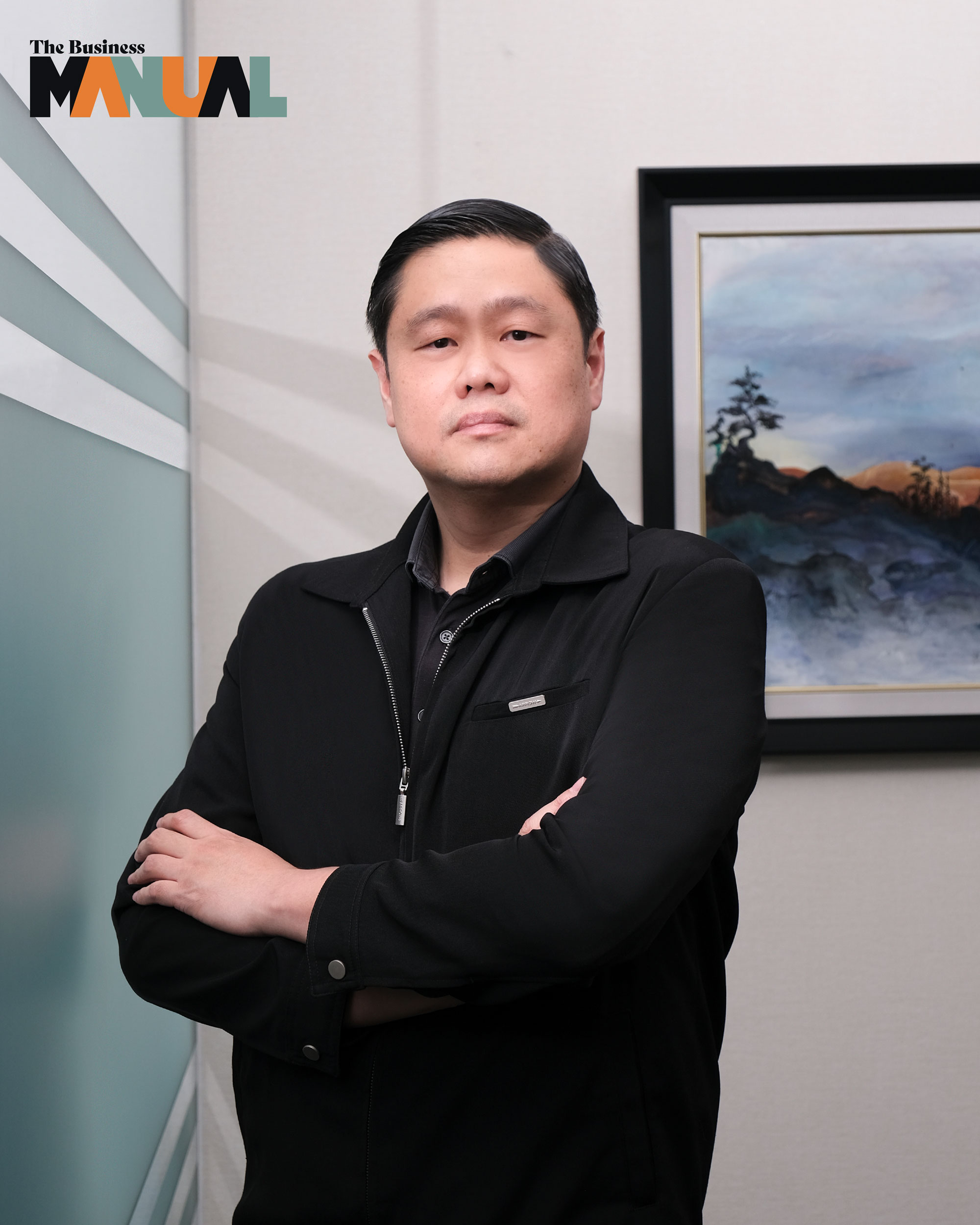
Wherever there is innovation in digital and in marketing, you will find Donald Lim there. This was true in the heady, early days of the Internet in the Philippines, and it is true today. From the upstart Yehey.com to media giant ABS-CBN to Dito CME, where he is President and COO, Donald Lim has been blazing new trails and transforming marketing every step of his career.
The Business Manual spoke to the multi-hyphenate visionary, disruptor, professor and guru to glean some insight into the future that digital innovation is creating for the world of marketing.
With a career that spans across the early days of Web1 to the transformative power of Web3, Donald Lim traces the evolution of our online lives and paints a tantalizing, bright neon portrait of tomorrow with the promises made possible by technologies like AI and blockchain.
What does this future look like? How are these technologies changing digital marketing? And what skill sets should tomorrow’s marketers invest in?
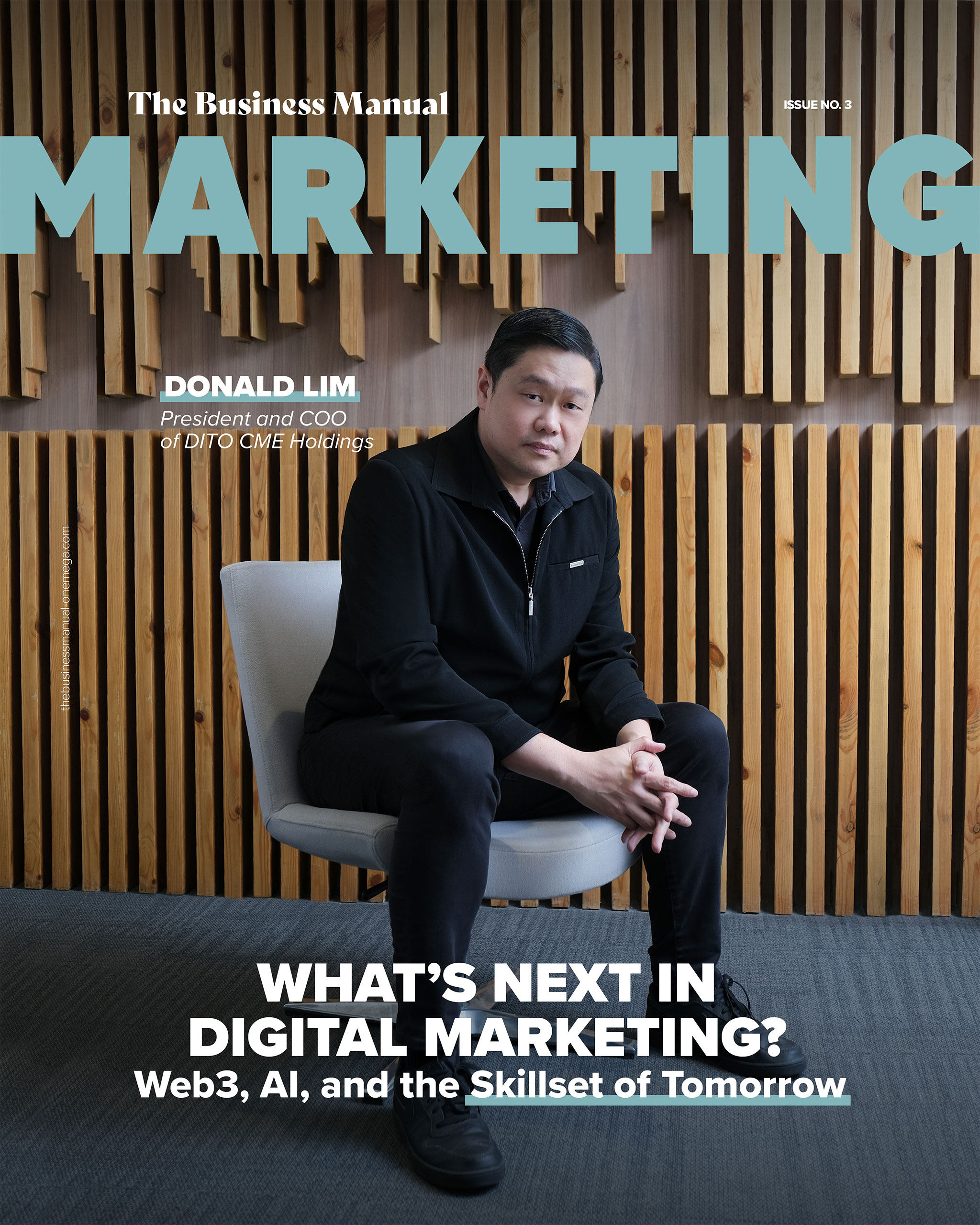
‘Place Bets on the Future’
The story of Donald Lim’s career also tells the story of the Internet. Spanning the years from Web1 to Web3 today, we get a glimpse of how the “Father of Digital Marketing in the Philippines” achieved mastery of the art and science of his field.
To fully understand how we arrived where we are in digital marketing today–and where we are going tomorrow–Donald Lim starts at the very beginning.
“I was head of marketing at that time,” he explains. “So I was learning how to do events. I understood running the ecosystem between ad agencies, the brands, and we’re media at that time… Print was really rolling it over… But at that time, I realized that everything is going digital.”
Donald Lim was already a seasoned marketer when he received a call asking him to be the CEO of a tech company. This opportunity would become his first experience leading a company with Yehey.com.
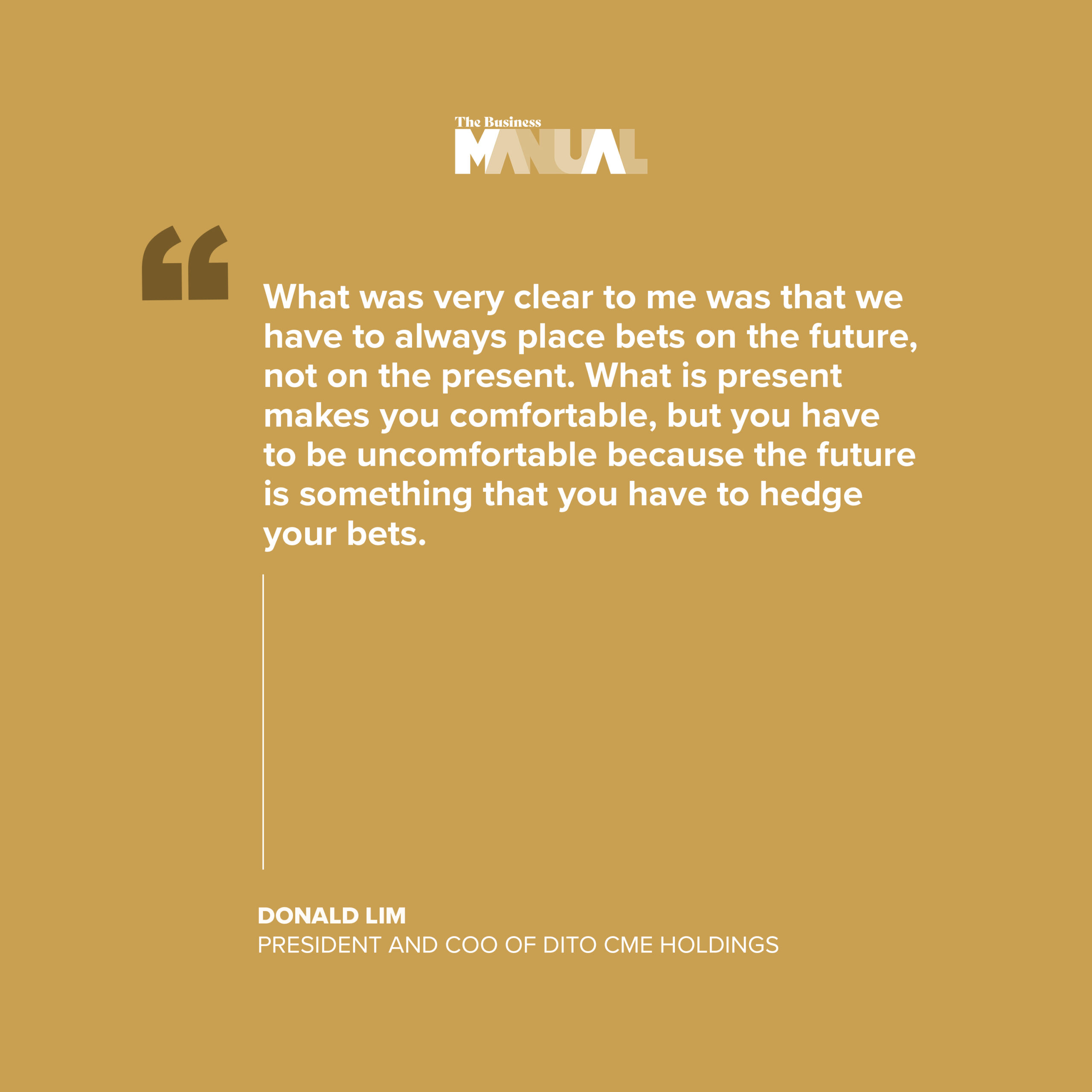
“Yehey was fighting it off with Yahoo. At that time, Google was new. Yahoo Messenger was new. But what was very clear to me was that we have to always place bets on the future, not on the present. What is present makes you comfortable, but you have to be uncomfortable because the future is something that you have to hedge your bets.”
Donald describes his time in Yehey as OJT (on-the-job) training for the CEO position, and it was here where he experienced both tremendous success and, also, failure. On one hand, he grew Yehey from nothing to become a leader in the Philippine Internet scene with a growing bottom line. Then, on the cusp of going public, he was fired as CEO of Yehey, with the owners citing that with a growing top line, the company was not viable.
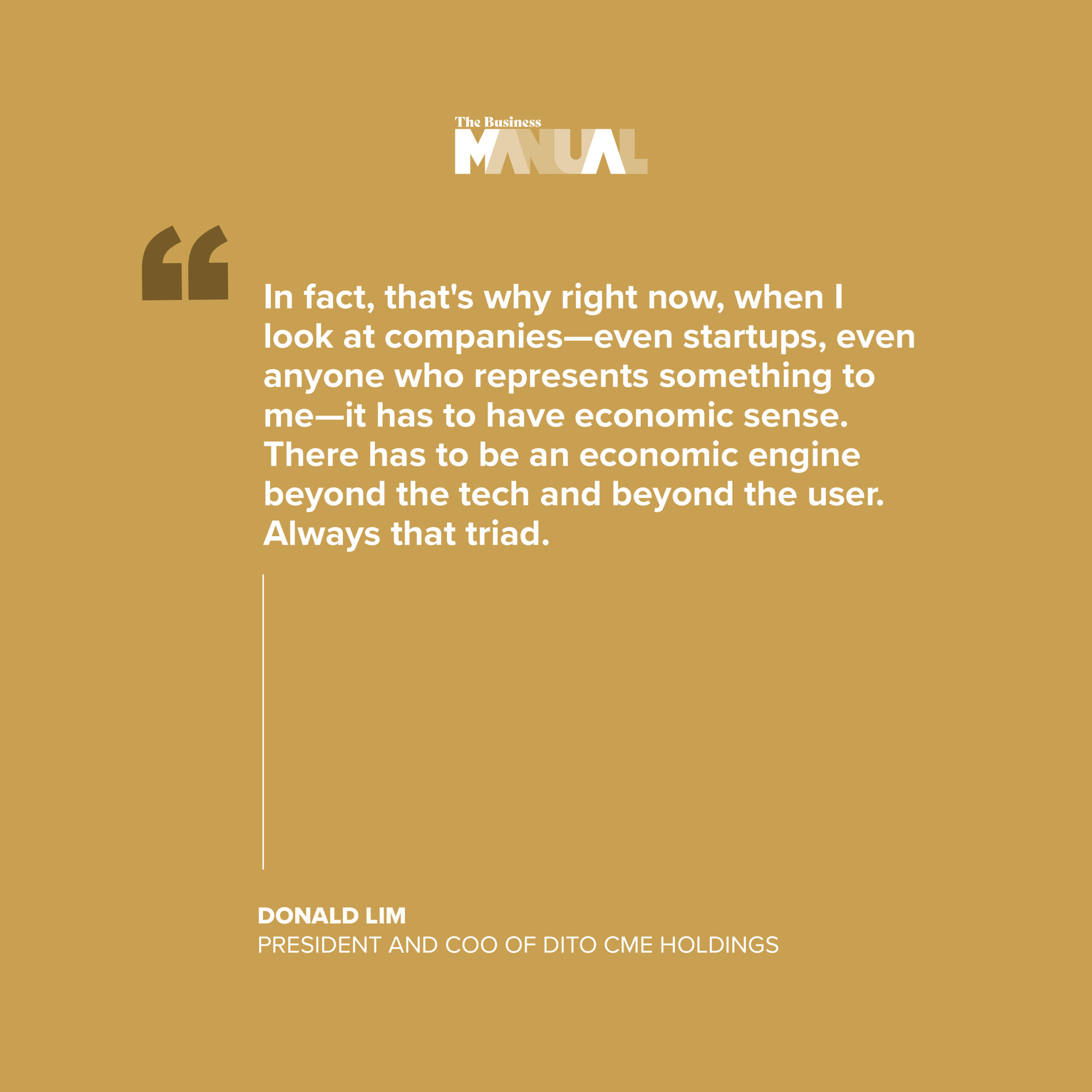
Chalking up the experience to learning, Donald says, “In fact, that’s why right now, when I look at companies, even startups, it has to have economic sense. There has to be an economic engine beyond the tech and beyond the user. Always that triad.”
Web2 and Content Creation
From Yehey, Donald Lim moved to the advertising agency McCann and then to ABS-CBN, marking a period rich in the content creation of Web2.
If Web1 encompassed the wild years of the early Internet finding its way into everyone’s lives, mostly through static websites, Web2 was vastly more useful and interactive.
Web1 was Yahoo, ebay, and a dearth of .com websites.
Web2 was a small group of companies centralizing control of the web: Google, Facebook, Amazon. It enabled rich content creation on sites like YouTube, and, at the same time social media took off, catapulted to success through technologies like mobile and the hard work of content creators and influencers.
“ABS [ABS-CBN] and McCann, that was a very good time,” Donald says. “I handled all the social media for the brands, from Coca-Cola to BPI to Unilever, Nestle, all of these, right? And then ABS, all the content creators. That allowed me to help set up CICP, which is the Creators and Influencers Council.”
CICP was not Donald Lim’s only effort in his larger role as an educator and industry leader. He was also one of the founders of IMMAP (Internet and Mobile Marketing Association of the Philippines). And he was among the first professors to create a digital marketing syllabus while teaching at. But Donald is quick to point out that times are changing.
“What we’re seeing is that Web2 is already at the tail end,” he says. And despite his efforts at sharing his digital marketing expertise, he decided to once again change course in his career.
“And that’s why I said, okay, I have nothing else to teach. If I still want to stay true to being whatever you call it, a digital guru or whatever, I have to lead the way. I have to jump into the next, which is Web 3. And that’s why I said, okay, jump into blockchain, AI, cybersecurity, all of these.”
Web3 and the Next Generation of Marketing Tools
Always a step ahead, Donald Lim leapt into Web3, which is touted as the next leap forward in the evolution of the Internet.
But there’s a catch: this next chapter of the Internet is still being written. While it’s clear that technologies like cryptocurrency and blockchain will lead Web3 towards the decentralization of the Internet, it’s unclear as to what exact shape this will take.
Web3 businesses may, for example, tailor web products and services to each individual. Meanwhile, Web3 marketing could help companies strike a better balance between privacy and personalization than the questionable practices of today’s web platforms.
Whatever the answer, Donald Lim is already dedicated to making Web3 a reality. He says, “That will be the next generation, next-gen technology, next-gen marketing tools. Before, a marketing person harnessed tech by calling the IT department. ‘Let’s work together.’ Now, the marketing person has to be a techie.”
However, by “being a techie,” Donald doesn’t mean knowledge of programming or data analytics. Instead, he means “to understand how all of these work, how to use all of these tools.”
“You have to do it well on day one,” he says. “There’s no such thing as a learning curve, how to run a social media website, create a YouTube channel…That’s nothing. You hire a 21-year-old, they will do it for you already. But the next wave, right? And that’s why I’m very much immersed in Web3.”
For Donald Lim, venturing into the unknown with Web3 is as exciting as his first foray into the Internet–and the rewards are just as clear. He continues, “When you look at us in the marketing map of the world, the Philippines has never been there. I always felt that, for us, this [Web3] is maybe our last train, that we need to take the last train for us to become a global power, if we’re able to master the new technology.”

Opening Up Possibilities with AI
Foremost among the technologies creating new tools for tomorrow’s Internet is artificial intelligence. Explaining how new tech is changing marketing, Donald Lim cites AI first.
“The easiest is AI,” he says, “because right now with generative AI, you can already create an ad in nothing more than 30 minutes. You can create an advertising campaign, a marketing plan, a jingle. So, all of these AI tools are out there. That can help you move faster, and also cheaper.”
This ability to create content faster and cheaper has deep implications for brand managers and advertising agencies.
“Don’t even think of spending too much,” he advises, keeping core marketing principles in mind. “As long as the core is correct and is intact, and the product has a strong value proposition.”
The transformation that AI makes possible can, without exaggeration, revolutionize business.
“So, I think AI will open up all of these,” he continues. “Marketing, also production, operations, supply chain, that will open up.”
Empowering the Entire Ecosystem with Blockchain
Blockchain is at the heart of Web3. Born from cryptocurrency, blockchain, simply put, is the technology that allows cryptocurrency to exist–creating uniqueness and security. As a digital, decentralized, public ledger, it has applications beyond crypto. It can be applied to digital objects (NFTs), video game microtransactions, or in digital assets in a virtual world.
Donald Lim explains, “Blockchain, of course, from a marketing perspective, is more limited. Only because blockchain is more tech.”
As an example of how he is using blockchain technology, he tells us of a project with the city of Bacolod. He says, “We actually created NFTs, so it’s just a JPEG image. But this JPEG image on the blockchain recognizes only one real owner… And using that, we sell the NFTs. If you are the owner of the NFTs, you can–and this is what the mayor was trying to execute–create a city ordinance, so that if you own the NFT, you get a percentage discount.”
“It also drives traffic to Bacolod businesses,” he continues, “but at the same time, the proceeds from the NFT support the Bacolod fund… So it’s really activating the entire ecosystem.”
It is empowering this ecosystem where the power of blockchain truly lies.
“I think marketing has always been very, I would say, very focused on the consumer, on product,” he says. “But I think that’s too short-sighted. I think marketing should know how to enable the entire ecosystem, from the marketing side to the industry side, how all of these work together, to help them with their business, their proposition, their product, to sell more to the customers.”

Digital Is an Amplifier
Despite all the buzz surrounding Web3 and new technologies like blockchain and AI, Donald Lim reminds us that good marketing is built on sound fundamentals, and that digital is only an amplifier.
He says, “I always tell marketing people and even small, medium enterprises, the business people, they always look at digital as the magic one. Because they always say this: ‘Use digital and it will help all of your business every day.’ I would always say, yes, but that assumes one thing–that your business is being done and operated well, that your product is good. Digital, while it is an enabler, has to come from something.
“It will magnify it. It will magnify whatever you have. If you have a good product, it will be magnified and people will come to your doorstep.”
The flipside is also true, Donald cautions. “If you have a bad product, then you magnify it, right? And they will come, but they will come up with all the complaints.
“Digital is an enabler, it’s an amplifier, but it’s never the core, unless you are a digital business itself. So, if you are selling any product, any service, right? Keep, make sure that the basics, keep the basics intact, keep the basics running very well. Make sure that [you have] a strong value proposition and good understanding of the market, good understanding of customers.”
Art and Science
Given new marketing tools for both the creation of content and the reinvention of the business ecosystem, Donald Lim paints a picture of tomorrow’s marketer as artist and tech expert.
“Content creation is always an art and a science,” he says.
“There are many who would say, it’s all art,” he continues, giving examples of this common misconception: “I don’t even need to know the numbers. I’m very artistic. I know how to create something viral, and I would immediately get the views and the follows.”
He presents the opposite side of the argument, saying, “There are some who would say, I don’t need art. I can do A-B testing, A-B-C-D-E testing. Once I see the data, I know already what kind of data I would use.”
The answer for Donald Lim doesn’t lie in between, but in both aspects of marketing.
He says, “Mastering both makes you a real king of content. When you talk to the top ten content creators, they would say the secret is how they do it. They would always explain the art side. But when you start asking them on the tech side, they’re very savvy also. They know their numbers, they know what’s behind it.”
The Toolbox of Tomorrow’s Marketers
With today’s focus on technology, what essential skills should be in marketers’ toolboxes? Surprisingly, Donald Lim turns to traditional values of hard work and the perennial favorite of entrepreneurs: constant learning. This is largely because technology is changing so fast, and new tools are easily adopted.
“I feel that in general, especially for the next generation, grit is very important,” he says. “You will have to fail first before you succeed, right? When I look for marketing people, I don’t even ask any theoretical marketing problems. I need people who have a good attitude, who can work hard.”
In closing, Donald Lim emphasizes the balance between technology and life skills, between art and science.
He says, “The next level marketer is not on the fundamentals of marketing. For me, it’s really the life skills, the EQ skills. And at the same time, the tech skills. It has to be well-balanced. A deep understanding, a good appreciation of tech, and I think what is more important–because things are happening extremely fast– you have to have that attitude that you want to keep on learning and learning.”
Text VINCENT SALES
Photography ED SIMON of KLIQ INC
Videography JR RAMIREZ of KLIQ INC
Art Direction ANDREA SANGCO
Sittings Editor RJ LEDESMA
Shoot Coordination TONI MENDOZA
Shot on Location UDENNA TOWER, BGC