The Art of Creativity in Digital Advertising


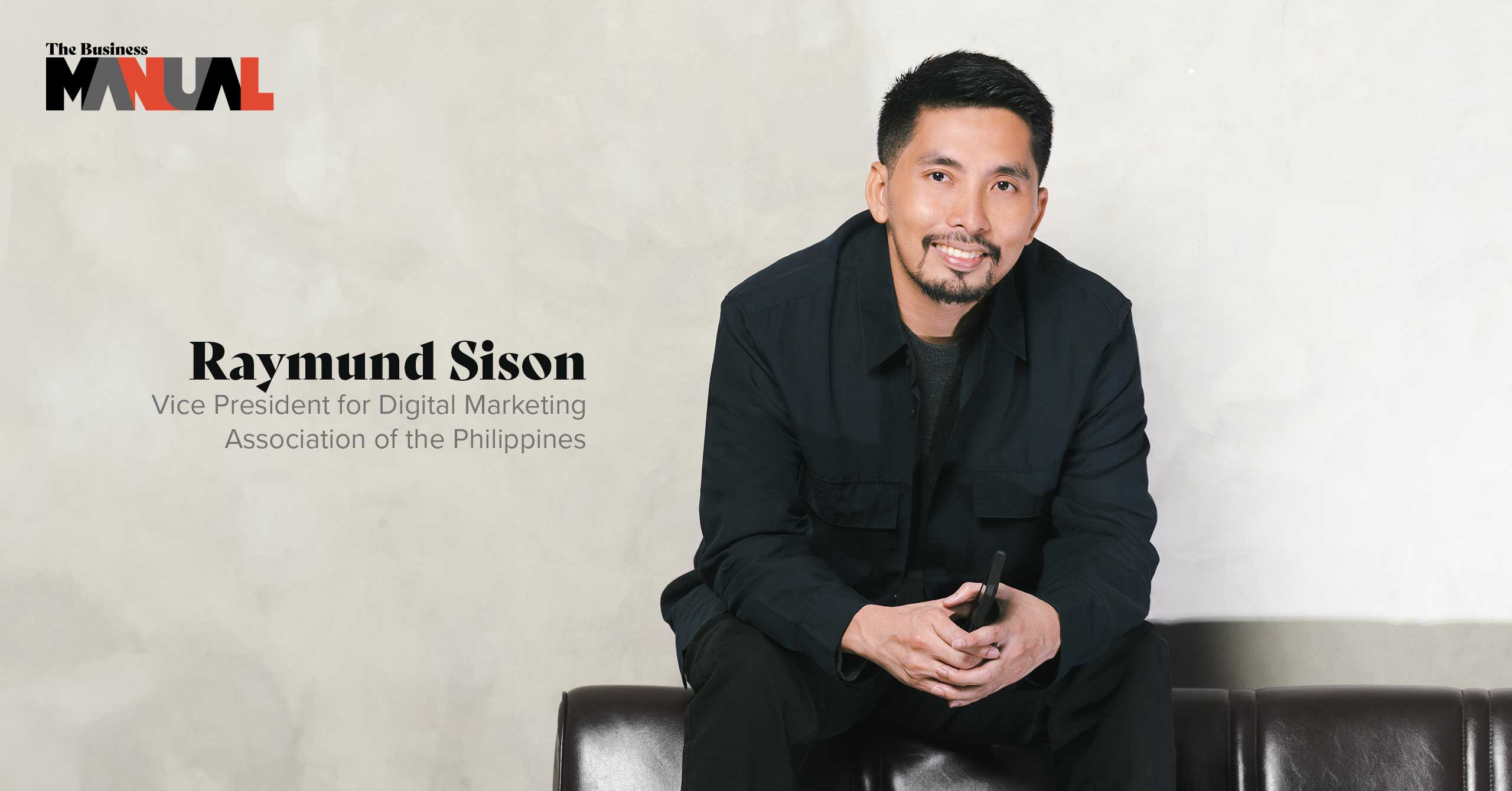
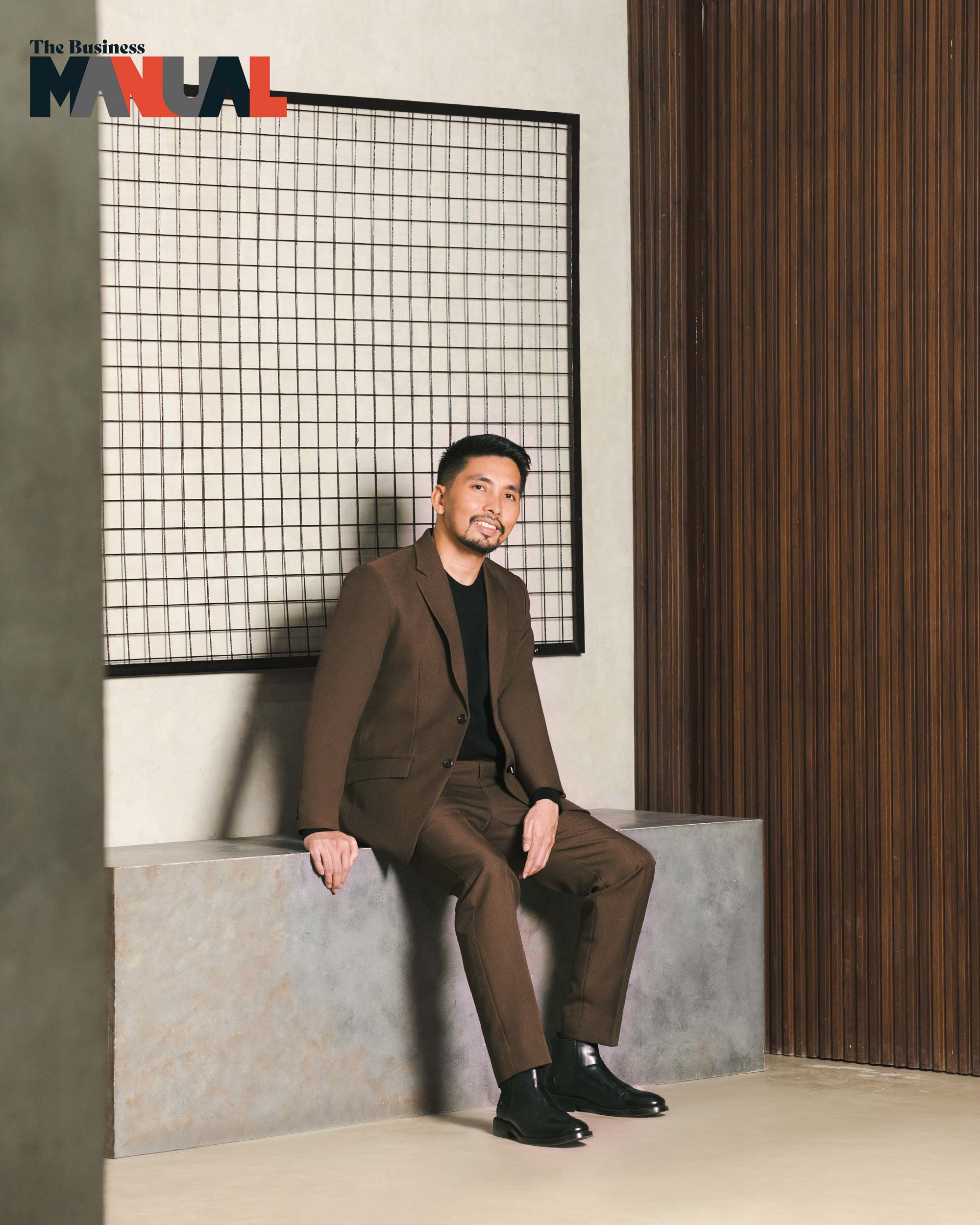
Raymund Sison, the award-winning Founder of Lennon Group, shares how creativity drives impact in today’s digital marketing world.
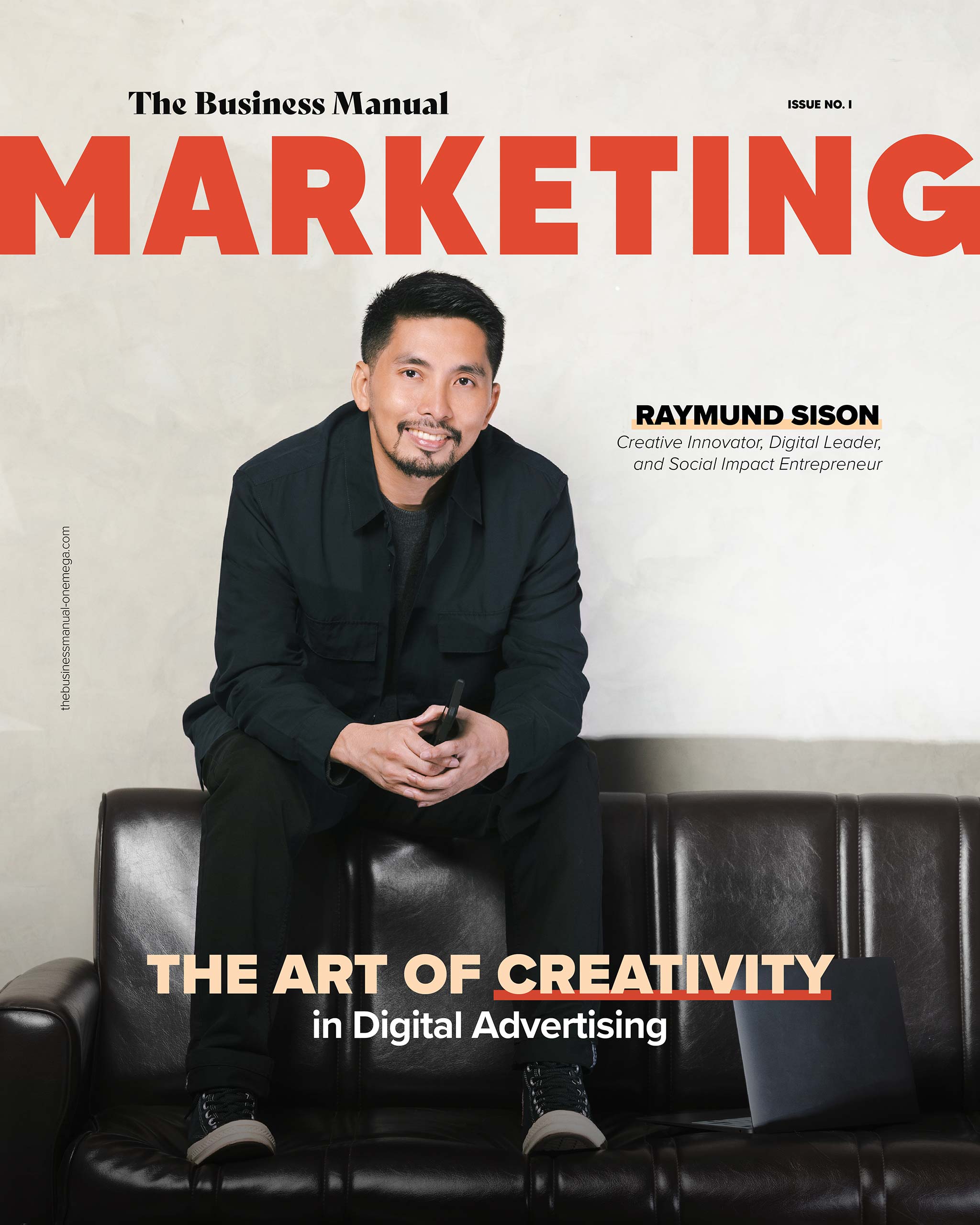
Digital marketing is changing at the speed of thought. Dead center in the intersection between technology, creativity, and good old human nature, digital marketers can often find it difficult to navigate the constantly evolving landscape. Today’s all-conquering platform or top influencer can become irrelevant with one tweet as buzzwords like “data-driven” and “gen AI” and “brand storytelling” tantalize and obfuscate in equal measure. How can brand managers and entrepreneurs tell the trendy apart from the prophetic? And what role does creativity play in creating impact in digital marketing?
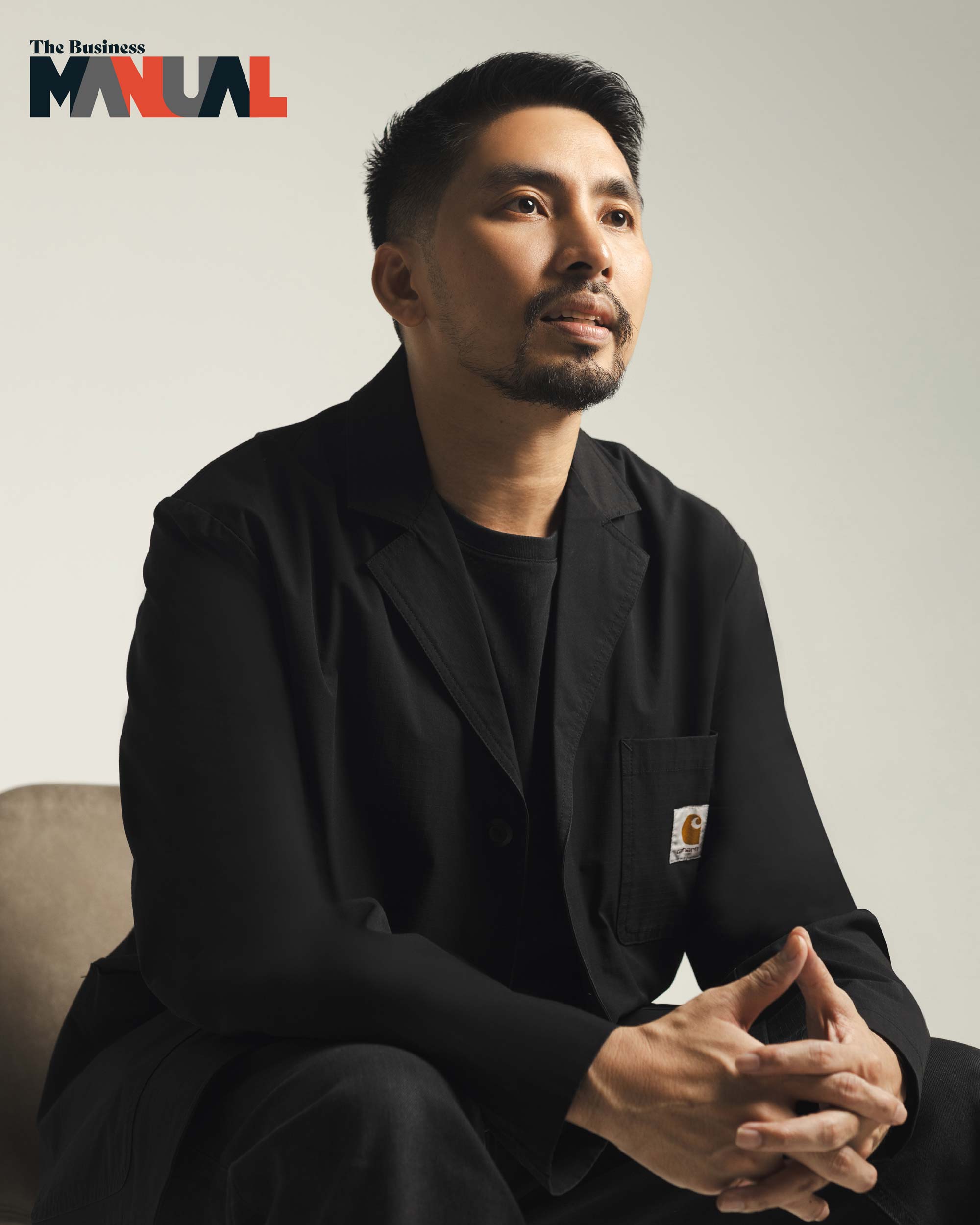
For Raymund Sison, digital marketing is his world. It is his sandbox, a place for play and for creativity. At the same time, it is his most potent weapon and how he makes a difference. As former Chief Creative Officer of Propel, Sison has won over 300 marketing and advertising awards from Manila to Busan to New York to Cannes. Today as he embarks on a new venture with the Lennon Group, his focus is on how to create a meaningful difference not just for brands, or in digital marketing, but for the broader world.
The Business Manual sat down with Raymund Sison to talk about digital marketing and the increasingly dominant role it plays for entrepreneurs, brand managers, and marketers. How can businesses use creativity to make an impact? How does it benefit the bottomline? And how does it build brands? Beyond business, how does creativity create meaning to change attitudes and behaviors?
Creating Meaning
Jumping in at the deep end, we ask Raymund Sison what creativity means for him.
“Creativity, by the word, is to create,” he answers. “It’s to create things and it’s relating to unrelated things to create new meanings.”
For Sison, the business end of creativity isn’t far behind.
“And what sells is about creating meaning,” he continues. “Meaning sells. If something resonates with someone, it will sell.
“If something hits someone’s heart, it will sell. It will be effective. And to me, I’m all about creativity that gives meaning to people, that gives meaning to communities, and that gives meaning to brands and businesses… I’m a believer that creativity is one of the greatest multipliers of business.”
Creativity. Meaning. Multiplier of Business. These words reappear throughout the interview with Sison–a thesis statement on creative impact, but also a call-to-arms on the possibilities for creativity within any organization.
For those still skeptical about the impact of creativity, Sison cites a report from the Cannes Lions.
He says, “They released a report that actually analyzed 69 years of all the work globally.
And what they found out there was that creative, effective advertising did not only drive the bottomline, but they actually also created [a] long-term brand building effect. They also helped solve the brand’s most important challenges, and they also actually helped look into what are the things that matter most today in this world.”
The Digital Landscape
Today’s marketing immediately involves, of course, digital marketing, given the dominance of the medium.
“Digital to me is basically an entire world of its own,” Sison says. “In [the] advertising context, we use it, number one, as a medium where we can communicate and engage with people. We use it as a space where we can play and have fun. We use it as a place where we can actually innovate and use it as technology where we can do things we’ve never done before.
“But essentially, we use all of these things that we can get from digital, like websites, social, and recently marketplace, and recently all of these alternative realities going around digital. We use all of these to actually create new experiences for the brand.”
Sison is not just talking about the digital world. He is referencing the worlds within the digital world, places where communities gather in chat groups, virtual spaces, or metaverse experiences.
“Gaming is also an entire world of its own,” he adds. “And there’s a lot more other worlds in digital, like metaverse and how we use all these innovations on digital.
“And I think digital marketing is using all those things together in the best possible ways, in the best possible combinations to actually tell you the most compelling brand story of a brand.”
Stripped of all the technology, it all returns to brand storytelling, an integral part of marketing since the ad men of the 1950s and 60s.
Even with the prominence of digital marketing, Sison admits that old school, traditional advertising still has a role to play in the broader marketing landscape.
“Especially in the context of the Philippines where digital is not so advanced compared to the other countries,” he says, “I think traditional advertising still plays a big part. Especially in places where digital can’t reach yet.
“I think that’s also the reason why O2O (online-to-offline) happens, meaning from digital to on-ground and back to digital. I think in that sense, traditional advertising still is really very relevant today. When you use that hand-in-hand with digital, you have such an amazing seamless brand experience.”
Creative Impact
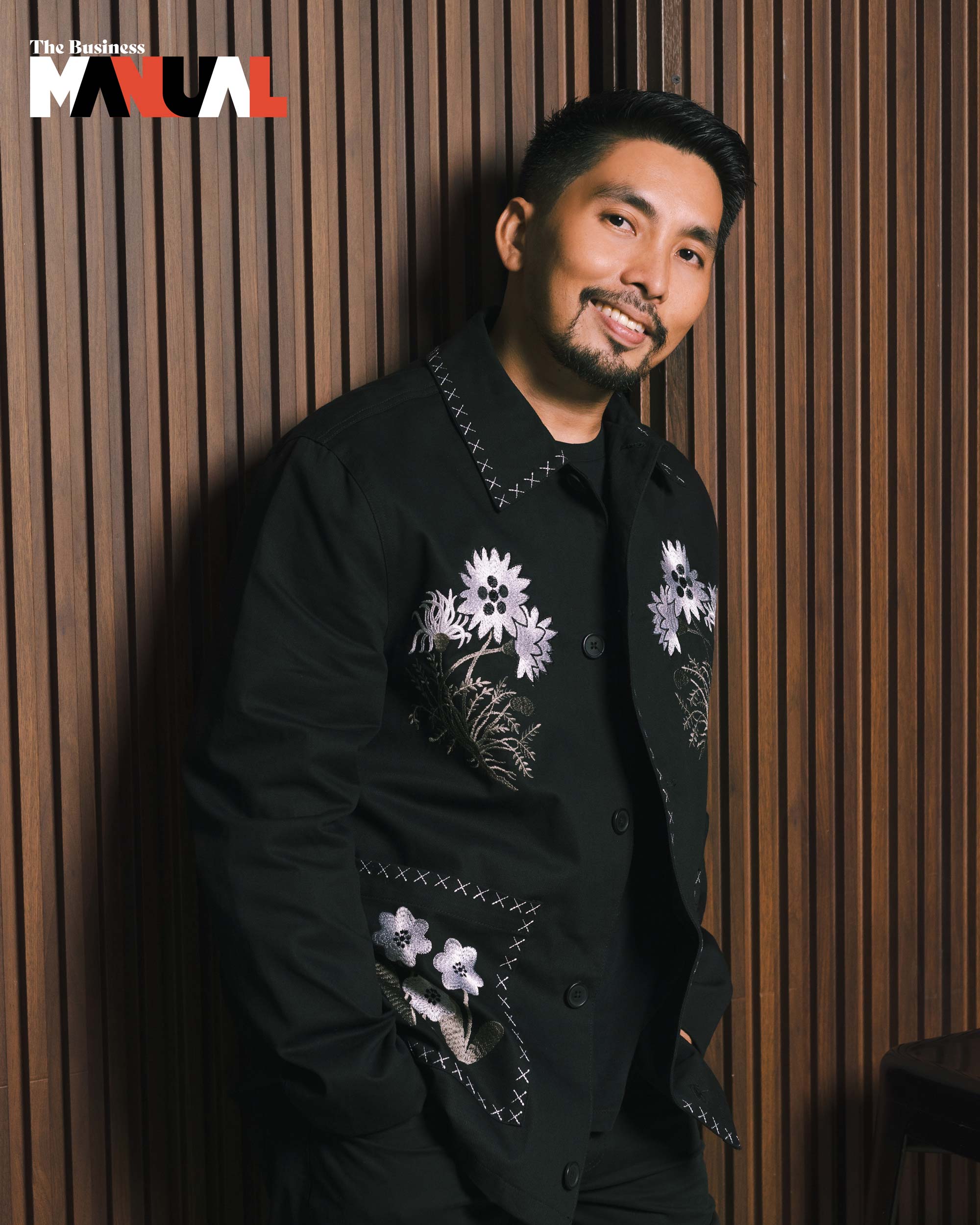
While much has been said about our digital world, technology and marketing, at the end of the day, creativity is judged by the impact it makes, something Sison is acutely aware of.
“Impact encompasses all these things,” Sison says. “Impact can be metrics. If you’re a brand manager, you have a lot of KPIs [key performance metrics].
“But also impact can be an effect on change in human behavior. Impact could be the effect to community, the effect to people, and impact on the world. So when you talk about creativity that drives impact, it’s important to look at it in a way that builds the business, builds the brand, at the same time builds the community together.”
For Sison, the multiplier effect that creativity has on the bottomline is just the beginning. It transcends benefits to business to encompass brand building, and more.
“Impact today,” he says, “it’s something that brands should always aspire for. Meaning that what is good for the world, I believe, will always be good for the brand. And if the impact of the brand not only impacts the bottomline, not only impacts the metrics, but also impacts the community around the brand, then I think it’s a win-win for everybody.”
When it comes to brands that understand this, Sison points to the breakthrough work of Pepsi in its campaigns.
He explains, “I really like the way Pepsi does their marketing because they look at it not just on a product perspective, on a brand perspective, on a business perspective, but also on a perspective that really improves their consumers, their people, their communities, the world.
And you can see it in how they do it consistently every year after year.”
From Data-Driven to Data-Inspired
One of today’s digital marketing buzzwords is being data-driven, or using facts and metrics in strategic decision-making. For creatives, this re-opens a long-running argument about how research spells death in the creative process. What are Sison’s views on being data-driven?
“I believe data lets us into things we didn’t have access to before,” he begins. “Before, data was delayed. But now, instead of market research, we have market reality because it’s no longer research. It’s there. You can see it on Facebook, what they’re actually looking at. You can see it right away. This is the data that actually shows what the behavior is.”
Sison believes that this data can lead to creative insight–but not in the way most people think.
“A lot of people will always say data-driven creativity, data-driven work, data-driven business. I have a different point of view on data-driven because I don’t think it should be data-driven.
“It should be data-inspired because when you say data-driven, it’s like you follow what data says without actually evaluating the context behind it because data is actually coming from human behavior, from human choices. So I believe it should be data-inspired, not data-driven because data-driven could lead to boring work because you’re just using data. You’re not enhancing the story by actually understanding what this data actually means.
“And if it becomes a data-inspired work, then it becomes more creative work. It becomes work that respects humanity. It becomes work that understands the business better.”

Confessions of an ‘AI Optimist’
And then there is AI. The debate on the use of AI–generative AI in particular–has split the opinions of people around the world.
“I’m an AI optimist,” Sison says. “I believe that AI is a tool we can use to improve not just creativity, not just marketing, but also actually lives in general, the world in general… when you have humans and machines together, it’s actually the greatest collaboration in the making.”
This human-machine collaboration has potential benefits in everything from ideation, creative development, production and more.
“On creative thinking, of course, you don’t use what [AI] says,” explaining how the way you use AI makes a critical difference. “You can actually make it better. You can actually expand it. Maybe you can use two things that will yield to one exciting thing.”
The possibilities for AI as a creative tool have only just begun.
“Just imagine for creative development,” Sison says. “Instead of taking days and weeks to create artworks, you have Midjourney, you have Canva, you have a lot of these tools that could actually help make the work faster and more efficient. And then, from creative development, you have creative production.”
“Oh my God, how Sora, when they launched it,” he gushes about the text-to-video AI generator, “oh my God, you can actually just write a prompt to create a video.”
Humanity, Creativity and Technology
“I think that the best ideas meet at the intersection of humanity, creativity, and technology,” Sison says. “In all of these intersections, people in the group have a hand in it.”
Raymund Sison recognizes how creativity is not just the job of the creative department. It is a collaboration between everyone in the organization.
“Humanity, we actually value humanity, because that’s the best we can bring to any table,” he says, acknowledging that everyone has the capacity to search for meaning and drive impact.
“And we usually get that from insights, from researchers,” he continues. “We usually get that from strategists.
“And then creativity. We believe in the power of creativity to engage, to persuade, and ultimately to move people. And that is the role of the creative agencies, the creative teams.
“Technology, we recognize the power of technology to enable the best of human minds, and exponentially multiply the best of human talents.
“It kind of scales the world. And that’s where the media agencies come in. That’s where the tech companies come in.
“And the brand owners are the ones who orchestrate all of this. So to me, a very seamless way of collaborating is to really understand what every person, every team can bring to the table. Because there’s a lot we can bring to the table.”
Investing in Creativity
Through his previous work in digital marketing, Raymund Sison has not just moved product, he has built brands, changed people’s attitudes and impacted communities. He encourages brands and businesses to invest in this world-changing kind of creativity.
He says, “I think it’s been a big topic globally, but it’s very important for marketers, for businessmen to invest in creativity.”
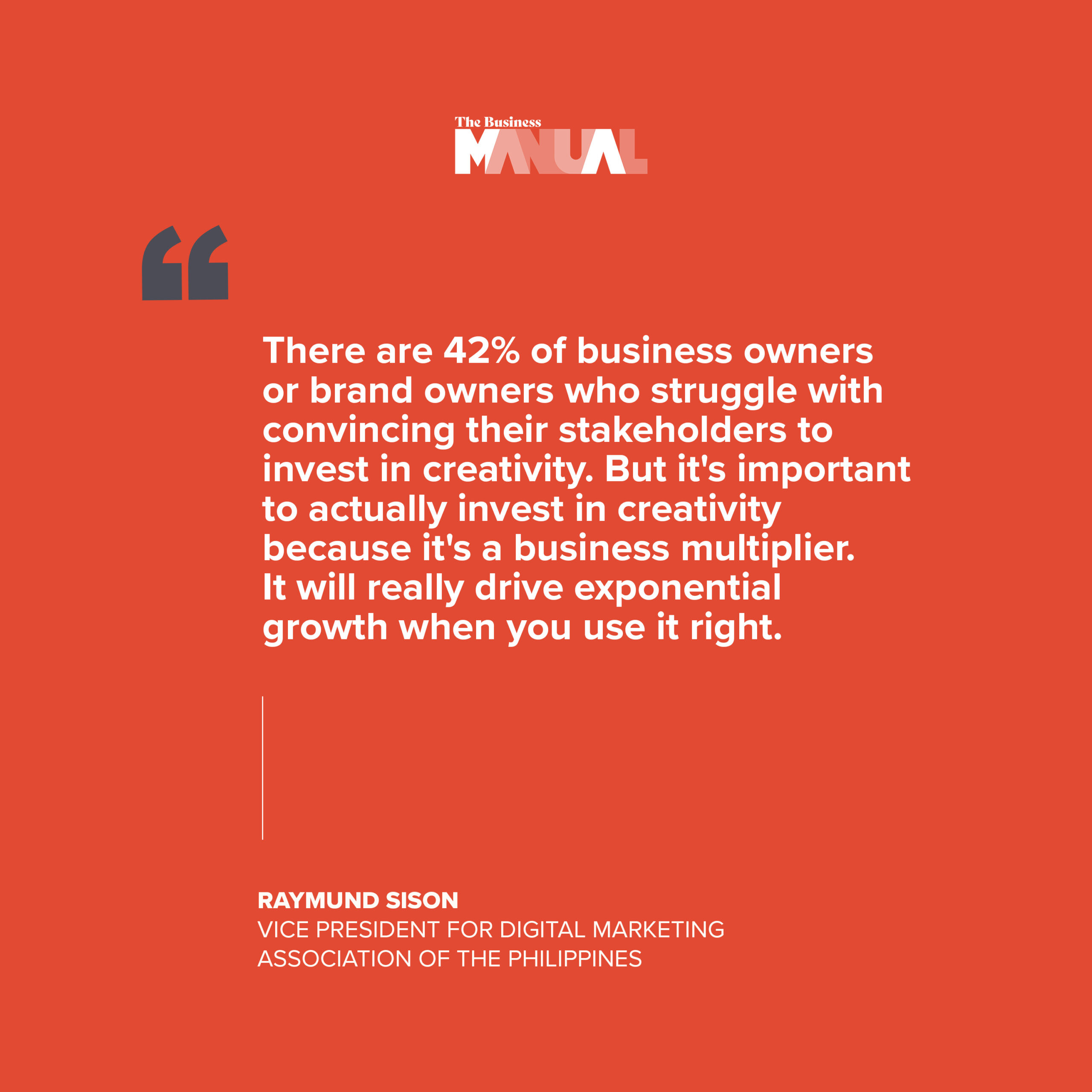
Turning once again to the Cannes Lions report, Sison says, “There are 42% of business owners or brand owners who struggle with convincing their stakeholders to invest in creativity.
“But it’s important to actually invest in creativity, because it’s really a business multiplier. It will really drive exponential growth when you use it right. Effective creative work will drive your bottomline, will drive your business, will drive your community, and will actually also help the world become a better place.”
Text VINCENT SALES
Photography EXCEL PANLAQUE of KLIQ INC.
Videography JR RAMIREZ of KLIQ INC.
Creative Director RIZZA GARCIA assisted by PAT FIEDACAN
Art Direction ANDREA SANGCO
Sittings Editor RJ LEDESMA
Shoot Coordination TONI MENDOZA
Stylist DAVID MILAN Shot on Location Studio SIMULA